Chia seeds have gained significant popularity in recent years due to their numerous health benefits. As a chia seeds supplier, I’ve witnessed firsthand the growing demand for these tiny powerhouses. They are rich in fiber, omega – 3 fatty acids, protein, vitamins, and minerals, making them a favorite among health – conscious consumers. However, it’s crucial to understand that chia seeds, like many other foods, may interact with certain medications. In this blog, I’ll explore which medications might interact with chia seeds. Chia Seeds

1. Blood Thinners (Anticoagulants)
One of the primary concerns with chia seeds is their potential interaction with blood – thinning medications. Chia seeds are an excellent source of omega – 3 fatty acids, specifically alpha – linolenic acid (ALA). ALA is known to have anti – inflammatory and blood – thinning properties.
Medications such as warfarin (Coumadin), heparin, and aspirin (in high doses used as a blood thinner) work by reducing the blood’s ability to clot. When combined with chia seeds, there could be an increased risk of bleeding. Omega – 3 fatty acids in chia seeds can inhibit platelet aggregation, which is the process where blood cells clump together to form a clot. If a person is already taking blood – thinning medications, adding a large amount of chia seeds to their diet might amplify this effect.
For example, a study published in the "American Journal of Clinical Nutrition" found that high – dose omega – 3 supplementation could affect the international normalized ratio (INR), a measure used to monitor the effectiveness of warfarin. Since chia seeds also contain omega – 3s, similar effects might be possible. If you’re on blood – thinning medications, it’s essential to consult your doctor before incorporating chia seeds into your diet.
2. Blood Pressure Medications
Chia seeds may have a mild hypotensive (blood – pressure – lowering) effect. They are high in potassium, which is known to help relax blood vessels and reduce blood pressure. Additionally, the fiber in chia seeds can help improve blood lipid profiles, which may also contribute to better blood pressure control.
Medications used to treat high blood pressure, such as ACE inhibitors (e.g., lisinopril), calcium channel blockers (e.g., amlodipine), and beta – blockers (e.g., metoprolol), are designed to lower blood pressure. When combined with chia seeds, there is a risk of blood pressure dropping too low.
A review in the "Journal of Hypertension" highlighted that foods rich in potassium could enhance the effects of blood – pressure – lowering medications. If you’re taking these medications, you should closely monitor your blood pressure when starting to consume chia seeds. Your doctor may need to adjust your medication dosage accordingly.
3. Diabetes Medications
Chia seeds are a good source of soluble fiber, which can slow down the absorption of carbohydrates and sugars in the digestive tract. This can lead to a more gradual rise in blood sugar levels after a meal. For people with diabetes, this is often beneficial as it helps in better blood sugar control.
However, this also means that chia seeds may interact with diabetes medications. Sulfonylureas (e.g., glipizide) and meglitinides (e.g., repaglinide) stimulate the pancreas to produce more insulin, while metformin helps the body use insulin more effectively. When these medications are combined with chia seeds’ blood – sugar – regulating properties, there is a risk of hypoglycemia (low blood sugar).
A clinical trial in the "Diabetes Care" journal showed that high – fiber diets could enhance the hypoglycemic effects of diabetes medications. Individuals with diabetes should consult their healthcare provider before adding chia seeds to their diet to ensure proper monitoring of blood sugar levels and adjust their medication doses if necessary.
4. Medications Affected by Gut Motility
Chia seeds are high in fiber, and when they come into contact with water, they form a gel – like substance. This gel can increase the bulk of the stool and promote regular bowel movements. As a result, chia seeds can affect gut motility.
Some medications are absorbed in specific parts of the digestive tract. For example, levothyroxine (a medication used to treat hypothyroidism) needs to be absorbed in the small intestine. If chia seeds increase gut motility too much, it may reduce the time the medication has to be absorbed, leading to decreased efficacy.
Similarly, medications that are slowly released in the digestive system, like some extended – release formulations, may be affected. The increased bulk and gel – like consistency of chia seeds in the gut could potentially interfere with the proper release and absorption of these medications.
Recommendations for Consumers
If you’re taking any of the medications mentioned above, it doesn’t mean you have to avoid chia seeds altogether. Here are some tips:
- Consult your doctor: Before adding chia seeds to your diet, talk to your healthcare provider. They can assess your specific situation, including your medical history, current medications, and overall health.
- Start slowly: If your doctor gives you the green light, start with a small amount of chia seeds and gradually increase the quantity. This allows your body to adjust and makes it easier to monitor for any potential interactions.
- Monitor your health: Keep an eye on your blood pressure, blood sugar levels, and any signs of bleeding or other adverse effects. If you notice any changes, contact your doctor immediately.
As a Chia Seeds Supplier
As a supplier of chia seeds, I’m committed to providing high – quality products and ensuring that consumers are well – informed. We understand the importance of the potential interactions between chia seeds and medications. That’s why we encourage all our customers to be aware of these issues and take the necessary precautions.
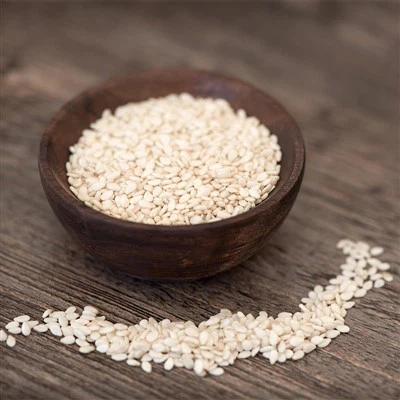
If you’re interested in purchasing chia seeds for personal or commercial use, we’d love to have a conversation with you. Our chia seeds are sourced from the best farms, ensuring purity and nutritional value. We can provide you with detailed information about the product, including its origin, processing methods, and nutritional content.
Cashew Whether you’re a health food store owner looking to stock our chia seeds on your shelves or an individual interested in incorporating them into your diet, we’re here to help. Reach out to us to discuss your needs, and we’ll work together to find the best solution for you.
References
- American Journal of Clinical Nutrition. "Effect of fish oil supplementation on the international normalized ratio in patients taking warfarin."
- Journal of Hypertension. "Potassium – rich foods and blood pressure control."
- Diabetes Care. "High – fiber diets and their impact on the efficacy of diabetes medications."
Anhui Yicheng Import & Export Co., Ltd.
We’re well-known as one of the leading chia seeds manufacturers and suppliers in China, specialized in providing high quality customized products. We warmly welcome you to wholesale bulk cheap chia seeds from our factory. For free sample, contact us now.
Address: Room 301, Building 36, Changhong Century Rongting, Yaohai District, Hefei City, Anhui Province China
E-mail: shirley@yichengah.com
WebSite: https://www.yichengnuts.com/
