In the dynamic landscape of the automotive, industrial machinery, and consumer electronics sectors, the question of whether spare parts and accessories require special training to install is both timely and crucial. As a seasoned supplier of spare parts and accessories, I’ve witnessed firsthand the diverse experiences and challenges that customers face when it comes to installation. This blog post aims to delve into this topic, exploring the various factors that influence the need for special training and providing insights to help consumers make informed decisions. Spare Parts and Accessories
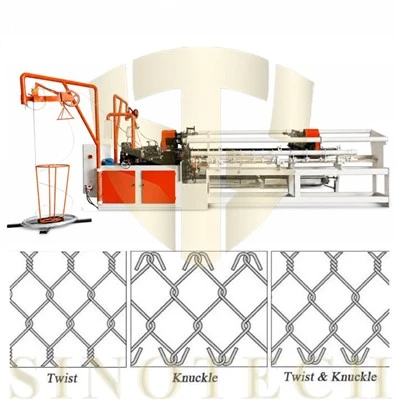
The Nature of Spare Parts and Accessories
Spare parts and accessories come in a vast array of forms, each with its own complexity level. On one end of the spectrum, there are simple parts like light bulbs, air filters, and phone cases. These items are generally straightforward to install and can often be replaced without any specialized knowledge or training. For instance, changing a car headlight bulb usually involves releasing a few clips or screws, disconnecting the old bulb, and connecting the new one. Similarly, replacing an air filter in a home HVAC system typically requires opening a panel, removing the old filter, and inserting a new one of the correct size.
On the other hand, there are more complex parts and accessories that demand a higher level of expertise. Components such as engine control units (ECUs), transmission systems in vehicles, and high-end audio systems in cars or home theaters fall into this category. These parts often involve intricate electrical connections, precise calibration, and a deep understanding of the underlying technology. For example, installing an ECU in a car requires not only knowledge of the vehicle’s electrical system but also the ability to program the unit to work seamlessly with the car’s existing components.
Factors Influencing the Need for Special Training
- Complexity of Installation: As mentioned earlier, the complexity of a spare part or accessory is a primary determinant of whether special training is required. Parts that involve multiple steps, precise alignment, or the use of specialized tools are more likely to necessitate training. For example, installing a new turbocharger in a high-performance engine involves removing several components, ensuring proper sealing, and adjusting the engine’s fuel and ignition systems. This level of complexity requires a trained mechanic with experience in engine tuning.
- Safety Considerations: Safety is another crucial factor. Some installations pose significant risks if not done correctly. Electrical components, for instance, can cause electric shocks or fires if they are not installed properly. In industrial settings, installing heavy machinery parts may require knowledge of proper lifting techniques and safety protocols to prevent injuries. For example, installing a new conveyor belt system in a factory requires workers to be trained in lockout-tagout procedures to ensure that the machinery is safely shut down during installation.
- Warranty Requirements: Many manufacturers have specific installation requirements to maintain the warranty of their products. If a customer installs a spare part or accessory without following the manufacturer’s guidelines, the warranty may be voided. This means that in cases where the part fails or causes damage to other components, the customer will not be eligible for warranty coverage. For example, some high-end smartphone manufacturers require that their battery replacements be done by authorized technicians to preserve the warranty.
- Technological Advancements: The rapid pace of technological advancements in many industries means that new spare parts and accessories often incorporate cutting-edge technology. These components may require specialized training to understand and install correctly. For example, the installation of electric vehicle (EV) battery packs requires knowledge of high-voltage systems, battery management systems, and the specific installation procedures for different EV models.
Training Options for Installation
- Manufacturer Training Programs: Many manufacturers offer training programs for their products. These programs can range from online tutorials and videos to in-person training sessions at their facilities or authorized training centers. Manufacturer training is often the most comprehensive and up-to-date source of information, as it is tailored to their specific products. For example, some automotive manufacturers provide training courses for their dealership technicians on the installation and maintenance of hybrid and electric vehicle components.
- Vocational and Technical Schools: Vocational and technical schools offer courses in various fields, including automotive repair, electronics, and industrial machinery maintenance. These courses provide students with hands-on training and theoretical knowledge of installing spare parts and accessories. Students learn about electrical systems, mechanical components, and safety procedures, which can be applied to a wide range of installation tasks. For example, a student enrolled in an automotive technology program may learn how to install a new engine or transmission in a car.
- Online Resources: The internet has made it easier than ever to access information and training materials. There are numerous websites, forums, and video platforms that offer tutorials and guides on how to install different spare parts and accessories. While these resources can be a valuable source of information, it’s important to ensure that they are from reliable sources and that the information is accurate. For example, YouTube channels dedicated to automotive repair often feature step-by-step guides on installing various car parts.
Benefits of Special Training for Installation
- Proper Installation: Special training ensures that spare parts and accessories are installed correctly. This can prevent problems such as leaks, malfunctions, and premature failure of the components. For example, a properly installed transmission will shift smoothly and last longer than one that is installed incorrectly.
- Safety: Trained installers are more likely to follow safety protocols and procedures, reducing the risk of accidents and injuries. This is especially important in industries where working with heavy machinery or electrical systems can be dangerous. For example, a trained electrician will know how to safely install a new electrical panel in a building.
- Warranty Compliance: By following the manufacturer’s installation guidelines, trained installers can help customers maintain the warranty of their products. This provides peace of mind for the customer, knowing that they are protected in case of any issues with the installed component.
- Customer Satisfaction: When spare parts and accessories are installed correctly, customers are more likely to be satisfied with the performance of their products. This can lead to repeat business and positive word-of-mouth referrals. For example, a customer who has a new audio system installed in their car by a trained professional is more likely to recommend the installer to their friends and family.
Conclusion
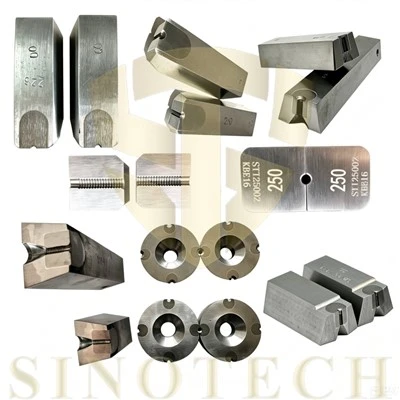
In conclusion, the need for special training to install spare parts and accessories depends on several factors, including the complexity of the installation, safety considerations, warranty requirements, and technological advancements. While some simple parts can be installed without any training, more complex components often require specialized knowledge and skills. Fortunately, there are various training options available, including manufacturer training programs, vocational and technical schools, and online resources.
Nail Processing Line As a supplier of spare parts and accessories, I understand the importance of ensuring that our customers have the information and support they need to install our products correctly. If you have any questions about the installation requirements of our spare parts or accessories, or if you’re interested in learning more about our product offerings, please don’t hesitate to contact us for a procurement discussion. Our team of experts is ready to assist you in finding the right solutions for your needs.
References
- "Automotive Service: Inspection, Maintenance, Repair" by James D. Halderman
- "Electronics Fundamentals: Circuits, Devices, and Applications" by Thomas L. Floyd
- "Industrial Machinery Maintenance and Troubleshooting" by Raymond A. Serway and John W. Jewett
Sinotech Fasteners Industry Co., Ltd.
With abundant experience, we are one of the most professional spare parts and accessories manufacturers in China. Please feel free to buy customized spare parts and accessories at competitive price from our factory. Welcome to contact us for quotation.
Address: No. 7, North of Bantang Avenue, Huashan Industrial Park, Chaohu Economic Development Zone, Hefei City, Anhui Province, China
E-mail: ryan@sinotechfasteners.com
WebSite: https://www.sinotech-fasteners.com/
