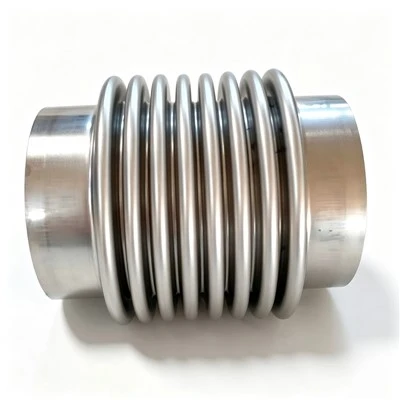
In the dynamic landscape of the technology industry, elastic components play a pivotal role in a wide array of applications, from consumer electronics to industrial machinery. As a leading supplier of elastic components, I have witnessed firsthand the profound impact that different operating systems can have on the performance, compatibility, and overall user experience of these essential parts. In this blog post, I will delve into the various ways in which operating systems influence elastic components, drawing on my years of experience and industry knowledge. Elastic Components
Compatibility and Integration
One of the most significant ways in which operating systems impact elastic components is through compatibility and integration. Different operating systems have their own unique architectures, programming languages, and protocols, which can either facilitate or hinder the seamless integration of elastic components into a system. For example, in the realm of mobile devices, Android and iOS are the two dominant operating systems. Each has its own set of development tools, APIs (Application Programming Interfaces), and standards that developers must adhere to when creating applications that interact with elastic components.
Android, being an open – source operating system, offers a high degree of flexibility. It supports a wide range of hardware configurations, which means that elastic components can be more easily adapted to work with Android devices. Developers have access to a large number of libraries and frameworks that can simplify the process of integrating elastic components, such as vibration motors or touch – sensitive elastic sensors. This openness also allows for greater customization, enabling manufacturers to tailor their products to specific user needs.
On the other hand, iOS is known for its strict control over the hardware and software ecosystem. Apple’s tight integration between hardware and software means that elastic components must meet high – quality standards and comply with Apple’s design guidelines. While this can make it more challenging for third – party suppliers to develop compatible components, it also ensures a consistent and reliable user experience. For instance, the haptic feedback system in Apple devices, which relies on elastic components to provide tactile sensations, is highly optimized and well – integrated into the iOS operating system.
In the desktop computer space, Windows, macOS, and Linux each have their own characteristics when it comes to elastic component compatibility. Windows, being the most widely used operating system, has a large market share, which means that there is a greater demand for elastic components that are compatible with it. However, Windows also has a long history of backward compatibility, which can sometimes make it difficult to integrate the latest and most advanced elastic components.
macOS, like iOS, has a tightly controlled ecosystem. Apple’s hardware and software are designed to work together seamlessly, so elastic components must be carefully engineered to meet Apple’s specifications. Linux, with its diverse range of distributions, offers a high degree of customizability. The open – source nature of Linux allows developers to modify the operating system to better support elastic components, making it a popular choice for niche applications and custom – built systems.
Performance and Resource Management
Operating systems also play a crucial role in determining the performance of elastic components. Different operating systems have different resource management strategies, which can affect how elastic components function within a system.
For example, in a real – time operating system (RTOS), such as QNX or VxWorks, which are commonly used in industrial automation and automotive applications, the operating system is designed to provide deterministic response times. This means that elastic components, such as motors or actuators, can operate with high precision and reliability. RTOSs allocate system resources in a way that ensures that critical tasks, such as those involving elastic components, are executed promptly and without interruption.
In contrast, general – purpose operating systems like Windows and Linux are optimized for multitasking. They divide system resources among multiple applications to support a wide range of user activities. While this provides flexibility, it can also lead to resource contention, which may affect the performance of elastic components. For instance, if a system is running multiple resource – intensive applications simultaneously, the elastic components may not receive the necessary processing power or memory, resulting in reduced performance.
The power management features of an operating system also have a significant impact on elastic components. Mobile operating systems, such as Android and iOS, are designed to conserve battery power. This means that they may limit the functionality of elastic components, such as reducing the intensity of haptic feedback or the frequency of sensor readings, to extend battery life. On the other hand, desktop operating systems often have more robust power supplies, allowing elastic components to operate at full capacity for longer periods.
User Experience and Customization
Operating systems influence the user experience of elastic components by providing the interface and tools for customization. For example, many mobile devices allow users to adjust the strength of haptic feedback, which is generated by elastic components in the form of vibration motors. The operating system provides a settings menu where users can fine – tune this parameter according to their preferences.
In the case of desktop computers, the operating system can also play a role in customizing the behavior of elastic components. For example, some gaming mice use elastic components in their buttons, and the operating system may provide software that allows users to remap the buttons or adjust the click sensitivity.
In addition, the user interface of an operating system can enhance or detract from the overall experience of using elastic components. A well – designed user interface can make it easy for users to interact with elastic components, while a poorly designed one can make the experience frustrating. For instance, if the controls for adjusting the haptic feedback on a mobile device are buried deep within the settings menu, users are less likely to take advantage of this feature.
Future Trends and Implications
As technology continues to evolve, the relationship between operating systems and elastic components will become even more important. The rise of the Internet of Things (IoT) means that there will be an increasing number of devices, each running its own operating system, that will rely on elastic components for various functions. This will require elastic component suppliers to develop products that are compatible with a wider range of operating systems and have the ability to communicate effectively with other devices in the IoT ecosystem.
Artificial intelligence and machine learning are also expected to have a significant impact. Operating systems may use AI and ML algorithms to optimize the performance of elastic components based on user behavior and environmental conditions. For example, a smartwatch may use AI to adjust the intensity of haptic notifications based on the user’s activity level and ambient noise.
Elastic Components In conclusion, different operating systems have a profound impact on elastic components in terms of compatibility, performance, user experience, and future development. As a supplier of elastic components, it is essential for us to stay ahead of the curve and understand the evolving needs of different operating systems. Whether you are a manufacturer looking to integrate elastic components into your products or a developer working on creating innovative applications, we have the expertise and experience to provide you with high – quality elastic components that meet your specific requirements. Contact us today to start a discussion about your elastic component needs and how we can collaborate to bring your ideas to life.
References
- Stallings, W. (2018). Operating Systems: Internals and Design Principles. Pearson.
- Tanenbaum, A. S., & Bos, H. (2015). Modern Operating Systems. Pearson.
- Schrage, M. (2019). The Innovation Stack: Building an Enduring Business One Crazy Idea at a Time. Harvard Business Review Press.
Yixing Blog Pipeline Equipment Co., Ltd.
As one of the most professional elastic components manufacturers and suppliers in China, we’re featured by quality products and good service. With abundant experience, we warmly welcome you to wholesale bulk elastic components in stock here and get quotation from our factory. Customized orders are welcome.
Address: Zhizao Park, No.50 Chunjiang Road, Industrial Cluster Zone, Heqiao Town, Yixing City, Wuxi City, Jiangsu Province
E-mail: 1351116816@qq.com
WebSite: https://www.blogbellows.com/
