Hey everyone, let’s cut to the chase because if you’re in the market for a mattress protector encasement, one question is probably bugging you more than any other: are they actually waterproof? I get it—you’ve spent good money on a nice mattress, and you’re tired of worrying about spilled coffee, late-night potty accidents, or even sweat that seeps in over time. You’ve probably seen so many product labels that say “waterproof” or “water-resistant” that you’re not sure which is which, and honestly, half the time brands stretch the truth to make a sale. As someone who’s been in the mattress protector encasement game for years (we make these things, after all), I’m here to break this down without all the fancy marketing fluff. Mattress Protector Encasement
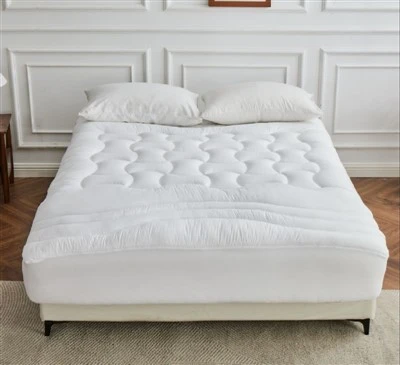
First, let’s get one thing straight: not all mattress protector encasements are created equal. If you buy the $10 cheap one from the big box store that’s thin, made of that flimsy polyester that rips if you look at it wrong, it’s probably not fully waterproof. But the good ones—we’re talking the ones designed to wrap your entire mattress, top, sides, bottom—are definitely waterproof, but there’s a science behind it that’s not as simple as “doesn’t let water through.”
Let’s start with the materials, because that’s where the waterproof magic happens. Most high-quality encasements use either a laminated membrane or a woven fabric with a water-repellent coating, but wait—there’s a difference between those two. The laminated ones are usually a thin, layer of polyurethane (PU) or polyethylene (PE) sandwiched between two layers of fabric. That membrane is completely non-porous, meaning water can’t get through it at all. No seepage, no stains, nothing. The woven ones, on the other hand, have a durable water repellent (DWR) finish, but that’s more of a shield that beads water up before it can sink in. The thing is, if you pour a lot of water on a DWR-treated fabric, especially over time with washing and wear, that coating can break down, and water might start to seep through. But our encasements use that laminated membrane for a reason—we want full protection, not just partial.
Wait, but let’s talk about what “waterproof” actually means in the real world, not just in a lab. You spill a glass of wine, that’s no big deal. A child has an accident in the middle of the night, that’s covered too. Even sweat? A lot of people think sweat is just moisture, and while a good encasement will block liquid water, there’s something else—vapor. That’s why some people complain about feeling sweaty on the encasement. If the membrane is too thick or not breathable, you’ll trap moisture vapor, which makes you uncomfortable. We fixed that by using a microporous membrane—wait, let me explain that simply. Microporous means there are tiny little holes in the membrane that are big enough for water vapor (your sweat) to escape, but way too small for liquid water (spills, accidents) to get through. It’s the sweet spot, honestly. You get full waterproof protection, but you don’t feel like you’re sleeping on a plastic sheet that makes you overheat.
Now, let’s address the myths, because there are a lot of them. First myth: “All encasements are waterproof, so why pay more?” No way. We’ve tested cheap encasements in our lab, and when you pour 8 ounces of water on them, about half of it seeps through in 10 minutes. Our high-quality encasements? We can pour 16 ounces on them, and not a single drop gets through to the other side. That’s not marketing, that’s actual testing we do every time a new batch comes in. Another myth: “Waterproof means it will never tear, so I don’t have to replace it.” Uh, no. If you run a zipper on the encasement too roughly, or if your pet scratches it, the membrane can get a hole, and then water will seep through. That’s why our encasements have heavy-duty, YKK zippers that are covered all the way around—so the zipper itself doesn’t become a weak point. We also add a reinforced strip along the sides where the zipper meets the fabric to prevent that kind of damage.
Wait, what about bed bugs? A lot of people buy encasements for bed bug protection, and they wonder if that ties into waterproofness. The short answer is: the same tight seal that makes an encasement waterproof is also what keeps bed bugs out. But just because it’s waterproof doesn’t mean it’s bed bug-proof—you need that full-wrap design with no gaps, which our encasements have. But again, if there’s a hole from a rip or a scratch, that’s a problem, so we always recommend inspecting your encasement every few months to make sure there’s no damage.
Let’s talk about care, because that affects how long the waterproofing lasts. A lot of people ask, “Can I wash my encasement?” Yes, absolutely—you just have to do it the right way. If you use harsh detergents, bleach, or fabric softeners, that can break down the DWR or the laminated membrane over time. We recommend using a mild, liquid detergent, washing it on a gentle cycle in cold water, and line drying or tumble drying on low heat. If you dry it on high, that can melt the membrane, so keep it cool. With proper care, our encasements will stay waterproof for at least 5 years, sometimes longer. I’ve had customers tell me their encasements are still working great after 7 years, which makes me proud because that means we’re doing something right.
Now, let’s get to when an encasement might NOT be waterproof. If it’s a thin, one-sided protector that just goes on top of your mattress, not a full encasement that wraps all the way around, there’s a good chance it’s not fully waterproof. The sides are left exposed, so water can seep down the edges. Also, if you buy a “water-resistant” product, that’s not the same as waterproof. Water-resistant means it can handle a little splash, but not a full spill. We always make sure our product labels say “100% Waterproof” because that’s what they are—tested to block any liquid from getting through.
I know a lot of you have had bad experiences with mattress protectors before—maybe one you bought leaked during an accident, or it was so hot you couldn’t sleep. That’s why we designed our encasements to fix both of those problems. We didn’t just pick a random membrane; we tested 12 different ones before finding the microporous one that’s both waterproof and breathable. We also made sure the fabric is soft, not that scratchy plastic stuff, so you don’t feel like you’re sleeping on a liner.
Here’s a real example: last year, a customer emailed us saying her 4-year-old had an accident in the middle of the night, and she didn’t even wake up until the next morning. The encasement caught everything, and her mattress was completely dry. She told us she’d had a different protector before that leaked, so this was a total game-changer. That’s the stuff that makes our job worth it—knowing we’re protecting people’s biggest investment without making their sleep worse.
Another thing to consider: if you have allergies, a waterproof encasement can also keep dust mites out, which is a bonus. Dust mites live in the fabric of your mattress, and their waste can trigger allergies. A tight, waterproof seal keeps them from getting in or out, so that’s an extra perk beyond just protecting against spills.
Wait, let’s clear up the difference between waterproof and waterprof (I see people spelling it wrong all the time, no judgment here). Waterproof means it’s impervious to water, full stop. Waterprof is just a typo, but sometimes brands use it incorrectly to sound official. We stick to the real definition, because we don’t want to confuse our customers.
So, to circle back to the original question: are mattress protector encasements waterproof? The answer is: the high-quality, properly designed ones that use a laminated or microporous membrane, made by a reputable brand, are absolutely waterproof. The cheap, flimsy ones? Not so much. It all comes down to the materials, the construction, and how you care for it.
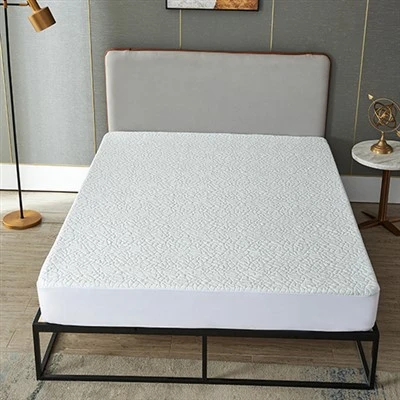
If you’re in the market for a mattress protector encasement that actually delivers on the waterproof promise, we’d love to chat. Whether you’re a homeowner looking to protect your mattress, or a business buyer looking to stock up, we can walk you through the options, answer any questions, and make sure you get the right product for your needs. Don’t waste your money on something that doesn’t work—let’s connect and find the perfect encasement for you.
Comforter Quilt References
- Consumer Reports. (2022). Mattress Protector and Encasement Buying Guide.
- Textile Institute. (2021). Performance Standards for Water-Resistant and Waterproof Textiles.
- Journal of Sleep Medicine. (2020). The Impact of Breathable Bedding Materials on Sleep Quality and Thermal Comfort.
Hangzhou Ruiyi Home Products Co., Ltd.
With abundant experience, we are one of the most professional mattress protector encasement manufacturers and suppliers in China. We warmly welcome you to wholesale customized mattress protector encasement at competitive price from our factory. If you have any enquiry about cooperation, please feel free to email us.
Address: BUILDING 1, NO.1757 CHENHUI ROAD, XINTANG STREET ,XIAOSHAN,HANGZHOU, ZHEJIANG,P.R. CHINA
E-mail: vivian-xu@vip.163.com
WebSite: https://www.ryhometextile.com/
