If you’ve ever worked in logistics, retail, or manufacturing, you know how much time, money, and space go into moving, storing, and protecting goods. For years, standard rigid pallets were the go-to—sturdy, uniform, but often too bulky for irregular loads, hard to maneuver in tight warehouse corners, and a headache to return empty. That’s where flexible pallets come in: lightweight, adaptable designs that conform to different load shapes, fold flat when empty, and cut down on both transport waste and storage costs. If you’re a procurement manager, warehouse supervisor, or operations lead working to scale your supply chain, one of the first questions you’ll ask is: Are flexible pallets available in bulk? The short answer is yes—but there are key details about bulk ordering that every buyer needs to know to avoid missteps, align with their operations, and get the best value for their investment. As a flexible pallet supplier who’s worked with businesses of all sizes—from small local e-commerce brands to national retail chains and industrial manufacturers—I’ve seen firsthand how bulk orders can make or break a company’s logistics efficiency, so let’s break this down clearly. Flexible Pallet

First, let’s clarify what we mean by “flexible pallets” because the term is often used interchangeably with related products, which can lead to confusion. Unlike rigid wooden or plastic pallets that have fixed dimensions and weight capacities, flexible pallets are typically made from durable, tear-resistant materials like woven polyester, high-density polyethylene (HDPE) fabric, or reinforced nylon, with designs that range from basic slip-sheet styles (thin, flat sheets that support loads and slide under forklifts) to contoured, bag-like pallets, or even collapsible mesh pallets. All of these share two core traits: they adapt to irregular load shapes, and most can be folded or flattened for return transport, making them far more space-efficient than standard pallets for round trips.
When it comes to bulk availability, that’s not a new offer. For decades, suppliers have catered to bulk demands because large-scale operations—those moving thousands of units a week—are the most common users of flexible pallets. Why? Let’s run the numbers. A standard 48×40 inch wooden pallet, when empty, takes up about 1.6 cubic feet of space; return 100 empty pallets, and that’s 160 cubic feet of dead space on a truck. A flexible pallet, by contrast, folds flat to less than 2 inches thick; 100 empty units take up roughly 5 cubic feet. That means you can fit 32 times more empty flexible pallets on a return trip, cutting fuel costs and transport time drastically. For a business moving 50 loads a week, that adds up to thousands in annual savings—savings that make bulk orders a logical choice.
But not all bulk orders are the same, and there are nuances to know. First, bulk quantities vary by supplier, and they align with the type of flexible pallet you’re buying. The most common bulk order quantities for standard, off-the-shelf flexible pallets run from 50 units up to 10,000 units or more. Smaller bulk orders (50–200 units) are great for businesses testing flexible pallets for the first time—say, a startup expanding its product line and needing pallets for irregularly shaped home goods, or a regional retailer trialing them for seasonal inventory. Mid-range bulk orders (500–2,000 units) work for operations with steady, medium-volume demands: a food manufacturer moving produce or specialty packaged goods, or a distribution center serving 10–15 regional stores. Large bulk orders (5,000+ units) are almost exclusively for enterprise clients with consistent, high-volume supply chains: national retail chains, big-box manufacturers, or third-party logistics (3PL) firms managing dozens of clients.
It’s also important to note that most flexible pallet suppliers, including my team, don’t just offer generic “one-size-fits-all” bulk options. We work with buyers to customize orders to their specific needs, which is a big part of why bulk works so well for both sides. For example, if you’re a medical device manufacturer needing pallets that meet FDA food-grade standards, bulk orders let you lock in consistent testing and certification documentation for every unit—something that’s harder to do with small, scattered purchases. If you’re building pallets for heavy industrial parts, you can specify a higher weight capacity (up to 2,000 pounds for many flexible models) and reinforced stitching, and bulk production ensures every pallet meets that exact specification, with no variations that could lead to load damage during transit.
That said, there are a few misconceptions about bulk flexible pallets that I see buyers run into, especially those new to the product. The first is that “bulk means cheap, no questions asked.” While bulk pricing is generally more cost-effective per unit than single or small-quantity orders, that’s only true if the pallets are the right fit for your operation. For example, if you buy bulk pallets designed for light e-commerce goods to move heavy construction materials, you’ll end up with damaged pallets, broken loads, and higher long-term costs—even if the per-unit price was low. Another misconception is that bulk orders mean you’re stuck with hundreds or thousands of pallets you can’t return. Most reputable flexible pallet suppliers offer take-back programs for bulk orders, especially reusable models. When your pallets reach the end of their lifespan (typically 3–5 years with proper use), you can return them to the supplier for recycling or refurbishment, so you don’t end up with a large waste burden. That’s a key point for businesses focused on sustainability, which is a huge driver in logistics right now.
Now, let’s talk about the process of ordering bulk flexible pallets, because it’s not the same as ordering standard wooden pallets. For a first-time bulk buyer, the process usually starts with a needs assessment. When you reach out to a supplier (like my team), we’ll ask questions like: What is the average weight of your loads? What size are your products? Do you need pallets that work with forklifts, pallet jacks, or hand trucks? Will you be returning empty pallets for reuse, or are you looking for single-use options? These questions help us narrow down the right type of flexible pallet for you, before we even discuss quantities.
Once you’ve locked in the pallet type, bulk production timelines are a consideration. Unlike standard pallets, which are often in stock and ready to ship, custom or high-volume bulk orders typically have a lead time of 2–4 weeks, depending on the quantity and any special requirements. For example, a bulk order of standard reusable flexible pallets might have a lead time of 2 weeks, while a custom order with a specific color, logo, or certification could take up to 4 weeks. That timeline is worth planning for, especially if you’re expanding your operations or launching a new product line that will require pallets on a specific date.
Another benefit of bulk orders that many buyers overlook is consistent reliability. When you order flexible pallets in bulk from a single supplier, you build a relationship that lets you adjust your order as your needs change. For example, if your business grows and you need 1,000 more pallets next quarter, you won’t have to go through a new vendor vetting process—you can extend your existing bulk order, which means faster shipping and consistent quality across all units. That’s a big deal for operations where load consistency is critical: a retail chain can’t afford pallets that break halfway through a cross-country shipment, and a food manufacturer can’t risk pallets that aren’t food-safe.
Let’s also address a common concern: durability. Some people assume flexible pallets are flimsy, not suited for heavy or long-haul use, but that’s outdated. Modern flexible pallet materials are engineered for industrial and commercial use. For example, woven polyester flexible pallets can hold up to 2,500 pounds, and many are treated to resist moisture, UV rays, and tears, making them suitable for both indoor warehouse storage and outdoor transport. Bulk orders let you choose the right material for your use case—if you’re moving goods in cold storage, you can get flexible pallets that don’t crack in low temperatures; if you’re moving goods with sharp edges, you can get reinforced, puncture-resistant models.
Now, let’s cover who bulk flexible pallets are best for. They’re ideal for any operation that:
- Moves irregularly shaped, non-uniform loads that don’t fit on standard rigid pallets (think furniture, artwork, machinery, or specialty retail goods)
- Runs frequent backhauls, where returning empty pallets takes up valuable space (as mentioned earlier, flexible pallets cut return transport costs drastically)
- Has sustainability goals, since flexible pallets have a lower carbon footprint than wooden pallets—many are recyclable, and they reduce wood waste from pallets that break and end up in landfills
- Wants to reduce storage costs, as folded flexible pallets take up a fraction of the space of rigid pallets
For small businesses, though, bulk flexible pallets might not make sense. If you’re a small e-commerce brand shipping less than 50 orders a week, testing a small quantity of pallets (10–20 units) is probably a better fit than buying a 100-unit bulk order. The savings from bulk won’t offset the cost of storing excess pallets, and you might not need the durability of high-volume models. But for any business scaling beyond that, bulk flexible pallets are worth investigating.
A quick example to illustrate: Last year, I worked with a regional furniture retailer that was using standard wooden pallets to ship sofas, tables, and other irregularly shaped goods. They were spending $12,000 a year on return transport for empty pallets, and 15% of their loads were damaged because wooden pallets didn’t conform to the furniture’s shape. They ordered a bulk order of 500 flexible pallets, specifically designed for furniture, and saw immediate results. Their return transport costs dropped to $3,000 a year, load damage fell to 2%, and they saved $8,000 annually—enough to cover their bulk pallet order in less than six months. That’s the kind of return on investment that makes bulk flexible pallets a no-brainer for the right business.
Now, if you’re ready to explore bulk flexible pallets for your operation, there are a few tips to keep in mind to ensure a smooth process. First, vet suppliers carefully. Look for suppliers that offer transparent pricing, clear certification documentation (for food, medical, or industrial uses), and take-back or recycling programs for bulk orders. Second, test a small quantity before committing to a large bulk order. Even if you know flexible pallets will work, getting a sample batch will let you check durability, size, and compatibility with your warehouse equipment (forklifts, pallet jacks, etc.). Third, plan for lead times, as bulk orders often have longer production times than standard pallets. Finally, ask about flexible pricing terms—many suppliers offer volume discounts for larger orders, and some will work with you to adjust order quantities if your needs change unexpectedly.
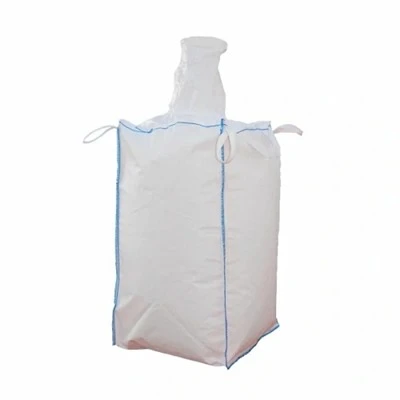
At the end of the day, the answer to “Are flexible pallets available in bulk?” is a resounding yes. For businesses that rely on efficient, cost-effective, and sustainable logistics, bulk flexible pallets are not just an option—they’re a strategic tool to cut costs, reduce waste, and protect your goods. If you’re ready to learn how bulk flexible pallets can work for your operation, we’re here to help. Contact our team today to discuss your needs, request a sample, or discuss a custom bulk order that aligns with your budget and logistics goals.
Bulk Bag References:
- Global Pallet and Container Management Association. (2022). State of the Pallet Industry Report: Flexible Pallet Adoption and Logistics Efficiency.
- Sustainable Packaging Coalition. (2023). Life Cycle Assessment of Flexible Pallets vs. Rigid Pallets in Commercial Supply Chains.
- Material Handling Industry of America. (2021). Guidelines for Selecting Flexible Pallets for Industrial and Commercial Use.
- U.S. Environmental Protection Agency. (2022). Waste Reduction Models for Logistics Packaging: Focus on Returnable Transport Items.
- International Standards Organization. (2020). ISO 15926: Flexible Pallets for Material Handling—Safety and Performance Requirements.
Heze Jinniu Plastics Co., Ltd.
As one of the most professional flexible pallet manufacturers in China, we have world-leading production equipment and strong manufacturing capabilities. Please rest assured to wholesale bulk high quality flexible pallet for sale here from our factory.
Address: South section of Renmin Road, Heze City, Shandong Province
E-mail: lishaobin2379@163.com
WebSite: https://www.jnbulkbags.com/
