Hey there, Custom PVC Film Rolls
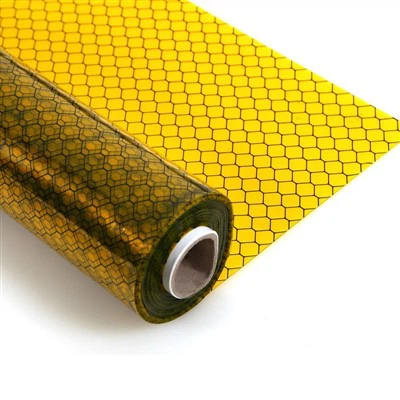
If you’re deep in the market for custom PVC film rolls, odds are you’ve stumbled on a problem that’s half puzzle, half make-or-break for your project: opacity. Maybe you’re printing branded packaging that needs to block out what’s inside the box so only your sleek design shows. Or maybe you’re making agricultural mulch that needs to hide weeds from sunlight. Or heck, maybe you’re crafting a protective wrap for electronics that needs to stop light from ruining sensitive components. I’ve been in this game as a custom PVC film roll supplier for years, and I get it—opacity isn’t a one-size-fits-all thing. Let me walk you through exactly how flexible custom PVC film can be here, and why it’s not just a “yes” or “no” answer.
First, let’s get one tiny, quick definition out of the way so we’re all on the same page (no jargon, promise). Opacity, in film terms, is how much light can pass through it. If something’s totally opaque, zero light gets through—like a thick black construction paper. If it’s totally transparent, all light passes through—like a clean window. And of course, there’s everything in between: translucent, semi-opaque, that midpoint where you can sorta see through something but not clearly. The good news? When it comes to custom PVC film rolls, we can tailor that pretty much however you need it. No generic, off-the-shelf “standard” stuff that forces you to compromise.
Let’s break down the different opacities we can offer, because each one serves a totally different use case, and I’ve seen clients come to us with all of these over the years. First up: super low, near-transparent. This is the stuff that’s clear enough that you can read text through it like a thin plastic sandwich bag. Wait, but why would someone order custom PVC film that’s almost clear? Oh, tons of reasons. Take protective packaging, for example—you might need to wrap a high-end product, and you don’t want the film to hide the item’s finish, but you do need it to be durable enough to resist scratches during shipping. Or maybe it’s for window clings that need to show off glass behind them. We adjust this opacity by keeping our PVC resin pure, almost no added pigments, and controlling the thickness of the roll—thinner PVC means more light gets through, thicker means less. But it’s customizable, so you don’t have to settle for a pre-made thickness that doesn’t fit.
Next, mid-range opacity—semi-transparent or semi-opaque. This is the sweet spot a lot of clients don’t even know they need until we talk through their project. Let’s say you’re making promotional signage. You don’t want the background to be completely blank, but you also don’t want it to be so opaque that your text or graphics get lost, or so transparent that it looks washed out. Or maybe you’re creating privacy wrap for office partitions—you want people to see a vague shape if they press up to it, but no details. How do we nail that? We add small amounts of pigments or fillers that don’t block all light, just scatter it. Think of it like frosted glass, which is basically semi-transparent. We can tweak how much pigment we add here, too—so if you need just a tiny hint of opacity, or a thicker veil that almost hides what’s behind it, we can do that. I remember a client a couple years back who made custom candle sleeves for a luxury brand—they wanted the glow of the candle to peek through, but not have the flame visible from 10 feet away. We hit exactly that semi-opaque mark for them, and their sales team told us it made the candles look way more elegant than plain clear sleeves.
Then there’s full opacity—total light blockage. This is probably the most common request, honestly. Clients come to us needing this for all kinds of reasons: packaging for products where UV light will ruin them (like skincare, dried herbs, or art supplies), so blocking all light keeps the contents safe. Or agricultural mulch film, where you need to stop sunlight from reaching weed seeds so they can’t germinate—farmers swear by this because it cuts down on herbicide use. Or security wrapping for sensitive documents, so no one can see what’s inside the envelope before it gets where it’s going. For full opacity, we use heavy pigments (usually carbon black, or sometimes other colored pigments if you want an opaque film that’s not black) and bump up the thickness of the PVC roll, too. Wait, but even here, it’s not one-note. You can get opaque PVC in matte, glossy, textured finishes too—all while keeping that zero light pass-through. I worked with a snack brand last year that wanted opaque red PVC film for their chip bags, but they didn’t want the usual harsh, shiny plastic look. We added a matte finish to the opaque formula, and they ended up using it for all their new product lines because it stood out on shelves without feeling cheap.
Now, let’s talk about how we actually make this possible, because it’s not just magic—It’s all in the formulation and custom tweaks that set custom PVC film rolls apart from standard, off-the-shelf ones. Most generic PVC film you find at big box stores is made for a handful of basic uses, so they only carry 2-3 opacity levels. But when you’re ordering custom, every little adjustment counts. First, the resin base: we use food-grade, industrial, or medical-grade resin depending on your needs, so opacity doesn’t compromise safety (super important for clients working with food, pharma, or kids’ products). Then, additives: pigments, fillers, UV stabilizers, even anti-slip agents if you need them for packaging that moves on conveyor belts. For opacity, it’s all about how much pigment we load in—more pigment = less light. And we can control that down to the percentage, basically. We also adjust the thickness of the roll, which is another big factor. A thicker PVC film will always be more opaque than a thinner one, all else being equal. So if you need a super heavy-duty opaque film for construction wrapping, we can make that. If you need a thinner, flexible semi-transparent film for craft projects, we can do that too.
Wait, but is there a limit here? Can you get any opacity you want? Let’s be real—no, but the range is way wider than most people think. We can get opacity levels from near-100% transparent to 100% totally opaque, with every 5% increment in between, if you need it. The only time it gets tricky is if you’re combining opacity with other very specific needs, like ultra-thin thickness for medical devices, or fire-resistant properties for aerospace parts. But even then, we can work with it—we just adjust the formulation a little to make sure opacity isn’t sacrificed for those other specs. I had a client in the medical device industry a while back who needed a super thin PVC film (only 0.1mm thick) that was opaque enough to block UV light for sterile packaging. We tweaked the pigment type to be more effective in thin layers, and nailed it. It took a few test runs, but that’s the whole point of custom—we don’t just give you a pre-made product, we work with you to solve your exact problem.
A lot of people ask me, “Why not just buy standard PVC film? It’s cheaper.” Yeah, maybe upfront, but if it doesn’t have the right opacity, it’s useless. Like, I had a small business owner come to me once who tried to use clear PVC film for her homemade skincare product packaging. By the time the products got to customers, the UV light through the clear film had faded the labels and changed the texture of the serums. She lost a ton of money before switching to our semi-opaque film, which blocked just enough light to keep her products stable without making the packaging look dull. That’s the thing about opacity—it’s not just a cosmetic choice, it’s a functional one that can make or break your product.
Another thing I should mention: opacity doesn’t have to be black or white. You can get colored PVC film in any opacity, too. Want opaque blue film for construction tarps? Done. Want semi-transparent pink film for gift wrapping? Done. Want clear film with a tiny bit of white pigment to make it look like frosted glass? That’s a thing too. We can match any color or opacity combination you need, as long as it fits your project’s requirements. I worked with a event planner last year who needed custom PVC film for photo booth backdrops. They wanted semi-transparent iridescent film that filtered the LED lights in the booth to make soft, colorful glows. We mixed the iridescent pigments with just enough white pigment to get that semi-opaque frosted look, and it worked perfectly—each photo booth backdrop looked totally unique, because the opacity filtered the lights differently based on how close you were to it.
Wait, let’s address a common myth I hear all the time: “Custom PVC film is too expensive for small orders.” No, that’s not true anymore. A few years ago, custom was only for big brands with bulk orders. But now, we offer small batch custom PVC film rolls too—perfect for small businesses, crafters, startups, anyone who doesn’t need 10,000 feet of film. We adjusted our process to make it cost-effective for smaller runs, so you don’t have to overbuy to get the exact opacity, color, thickness you need. The client I mentioned earlier with the skincare products? She only needed 500 feet of film, and we made it for a price that was actually lower than the bulk off-the-shelf film she’d tried before, because we didn’t include the extra costs of standard inventory. That’s a big shift in the industry, and it’s why more people are turning to custom instead of settling for what’s on the shelf.
So, if you’re out there wondering if custom PVC film rolls can fit your opacity needs, the short answer is: absolutely. We’re not limited to a few generic levels. Whether you need near-transparent for protective packaging, semi-opaque for signage, or fully opaque for UV-sensitive products or agricultural use, we can tweak every part of the film’s formulation to get you exactly what you need.
But here’s the thing—every project is different. You might need opacity, but you also need the film to be flexible for wrapping, or food-safe for packaging snacks, or fire-resistant for industrial use. The only way to know for sure what we can do for you is to talk through your specific needs. Tell me what you’re making, what opacity you need, any other specs (like thickness, color, safety standards), and we can put together a custom roll that fits perfectly, no compromises. We can even send you small test rolls if you want to check how the opacity looks and works before you commit to a full order. No pressure, just good, honest work for people who need custom solutions that actually work for their projects.
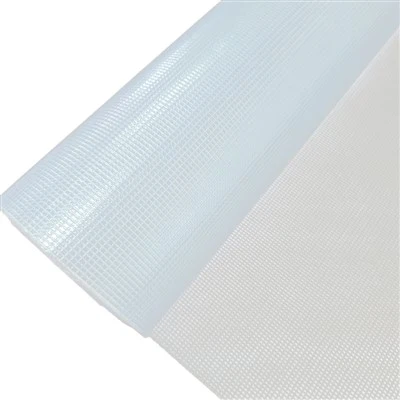
Whether you’re a small startup launching a new product, a large corporation redoing packaging lines, or a crafter making custom projects, custom PVC film rolls with tailored opacity are totally achievable. You don’t have to settle for a one-size-fits-all film that doesn’t do what you need. Reach out, and let’s chat about what you’re working on. We’ll make it happen.
PVC Printing Film References:
- Modern Plastics Encyclopedia, Society of Plastics Engineers, 2022.
- PVC Film and Sheeting Handbook, Hanser Publications, 2021.
- Agricultural Plastics: Properties and Applications, CRC Press, 2020.
- Flexible Packaging Technical Guide, Flexible Packaging Association, 2023.
Nantong Dahe Composite New Material Technology Co., Ltd.
Address: South Side of Pinghai Highway, Pinghe Village, Dongshe Town, Tongzhou District, Nantong City, Jiangsu Province, China
E-mail: nantongdahe@outlook.com
WebSite: https://www.cndahetech.com/
