If you’ve ever worked in a data center, pharmaceutical cleanroom, electronics manufacturing facility, or any space where static electricity poses a serious risk to both equipment and personnel, you’ve probably come across antistatic floor wax. As a supplier of this specialized product, one of the most common questions I field on a daily basis is: “Can I use antistatic floor wax on metal floors?” It’s a fair, practical question—metal floors are found in industrial settings, warehouses, and even some commercial spaces, and choosing the wrong floor treatment can lead to everything from static buildup hazards to premature floor damage. Today, I’m breaking down the science behind this, what works, what doesn’t, and what you need to know as a facility owner, manager, or maintenance professional. Antistatic Floor Wax
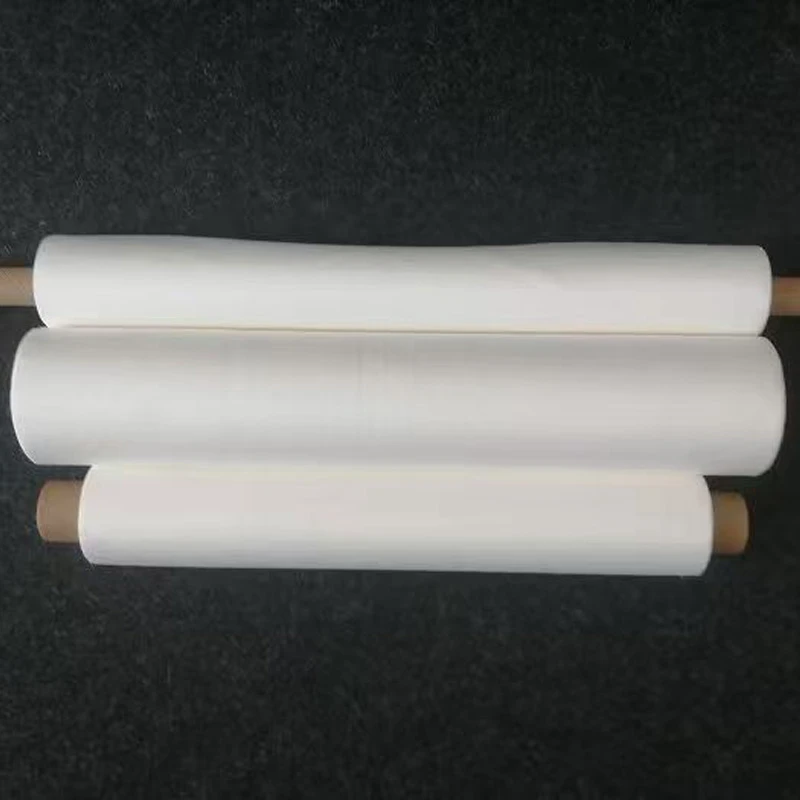
First, let’s get clear on what we’re working with here. Antistatic floor wax (sometimes called conductive floor finish) is formulated specifically to dissipate static electricity safely. Unlike regular floor wax, which creates an insulating, static-prone layer, antistatic wax has two key components: conductive fillers (usually carbon particles, metal oxides, or other specialized additives) and a binder system that adheres to the floor and wears well over time. When applied correctly, these fillers create a continuous, low-resistance path for static charge to flow from a charged person or object to the ground, preventing electrostatic discharge (ESD) that can fry circuit boards, ignite flammable materials, or give personnel painful shocks.
Metal floors, for their part, are made from a range of materials—most commonly steel, aluminum, stainless steel, or even galvanized steel. One of their core properties is high electrical conductivity, which would seem to make them a natural fit for antistatic performance. The catch is that metal floors often have their own issues: they can be prone to corrosion, scratches, slipping (when smooth), and debris buildup that can insulate parts of the surface over time. So, logically, if you have a conductive floor, why would you need an additional antistatic treatment? That’s where things get nuanced.
Let’s start with the short answer, because that’s what most people are looking for upfront: Yes, you can use antistatic floor wax on most metal floors, but only if you follow strict preparation guidelines, and only if you choose an antistatic wax formulated to bond with metal surfaces. It’s not a one-size-fits-all situation, though—there are several key factors that will make this work, or turn it into a costly mistake.
The first and most critical factor is surface preparation. Metal floors are not like concrete, which is porous and absorbs wax into its surface. Metal is non-porous, so wax has to bond mechanically and chemically to the metal’s top layer, or it will peel, chip, or wear off within days, if not hours. If you skip proper prep, even the highest-quality antistatic wax will not perform as intended. Let me walk you through what that prep process should look like, based on decades of working with facilities across industries.
First, you need to strip any existing coatings, sealers, grease, or corrosion from the metal floor. Even a thin layer of old oil, wax, or rust will create a barrier between the antistatic wax and the metal, preventing proper adhesion. For this, we recommend a pH-neutral heavy-duty metal floor stripper—harsh acidic strippers can etch metal, especially aluminum or galvanized steel, so they should be avoided. Apply the stripper, let it dwell for the time specified by the manufacturer (usually 5–15 minutes, don’t let it dry!), then agitate the floor with a low-speed scrubber and a nylon pad to lift all contaminants. Rinse the floor thoroughly with clean water, using a wet vacuum to remove all residue, then let it dry completely for 24–48 hours. Any leftover moisture or stripper residue will ruin the bond.
Next, you need to address corrosion. If your metal floor has rust spots, scale, or pitting, you can’t just cover that up with wax. Rust will continue to spread under the wax, breaking it down and creating conductive gaps in the antistatic layer. For minor rust, use a fine-grit steel wool or a wire wheel attachment on a drill to scrub the rusted areas, then wipe them down with a degreaser. For more severe corrosion, you may need to use a commercial metal etcher to etch the surface slightly, creating tiny micro-pores that the wax can grip onto. Etching is also important for galvanized steel floors, which have a thin zinc oxide layer that repels most coatings—etching removes that layer temporarily to improve adhesion.
Once the floor is stripped, corrosion-free, and 100% dry, you need to apply a metal-specific primer. This is a step many people skip, but it’s non-negotiable for metal surfaces. The primer acts as an intermediate layer that creates a strong bond between the metal and the antistatic wax, and it also helps preserve the metal by preventing future corrosion. For antistatic applications, the primer should be non-conductive? Wait, no—wait, actually, the primer needs to be compatible with the antistatic wax’s conductive properties. Our company’s line of antistatic wax comes with a metal-specific primer that is formulated to work with our wax’s conductive fillers, so it doesn’t create an insulating barrier. Applying two thin coats of primer, letting each dry completely (usually 1–2 hours per coat), will make the difference between a wax that lasts 6 months and one that lasts 2–3 years.
Now, what if you don’t do this prep? I’ve seen it happen too many times. A small electronics shop with a steel floor buys a cheap antistatic wax online, skips stripping the old wax, slaps on two coats, and thinks they’re good to go. Within a week, the wax is peeling in large strips, static charges are still building up because the wax never bonded to the metal, and they’re out the cost of the wax plus the labor to redo the job. That’s why as a supplier, we always emphasize that metal floors require specific steps, not just a random antistatic wax.
But here’s the good news: when done correctly, antistatic floor wax on metal floors works extremely well. In fact, it can enhance the metal’s natural conductivity in several ways. For one thing, a continuous layer of antistatic wax covers any gaps, seams, or debris on the metal floor that might have been insulating. Even if your metal floor itself is conductive, if there’s a thin layer of dust or rubber matting covering part of it, that can create a break in the conductive path. The wax seals those gaps, ensuring that static charges can flow freely across the entire floor surface to ground.
Another benefit of antistatic wax on metal floors is wear resistance. Metal floors are durable, but they’re prone to scratches, scuffs, and impact damage from heavy equipment, carts, or tools. Regular metal sealers might wear down quickly in high-traffic areas, but antistatic wax formulated with urethane binders and hard-wearing additives is designed to withstand heavy foot traffic, wheeled equipment, and chemical exposure (depending on the formulation). That means you get both static control and a longer-lasting floor finish, reducing maintenance costs over time.
Wait, but let’s address a common misconception here: some people think that because metal is conductive, you don’t need to ground the floor or use antistatic personnel gear. That’s not true. The antistatic wax works in conjunction with your facility’s ESD control program, not as a standalone solution. Even a highly conductive metal floor will only dissipate static effectively if it’s properly grounded to the building’s electrical earth. And personnel working in the space should still wear antistatic shoes or wrist straps, because their shoes could wear down over time, or they might be standing on a small area of non-conductive material. The wax is a supplement, not a replacement, for proper ESD protocols.
Now, what about metal floors that are not meant for ESD control? For example, a warehouse with steel floors that stores flammable chemicals, or a workshop where welders work. Can antistatic wax help here too? Absolutely. Static sparks are a leading cause of industrial fires and explosions in facilities with volatile materials. Even if a metal floor is conductive, a thin layer of dust or oil can create enough resistance to generate a spark. Applying antistatic wax creates a consistent conductive path, so any static charge that builds up from moving equipment, personnel, or materials will safely discharge to the ground, eliminating that fire risk.
But not all antistatic wax is created equal for metal floors. I always advise customers to ask their supplier for a wax specifically formulated for metal surfaces, not just a general-purpose antistatic wax. General-purpose antistatic wax is designed for concrete or vinyl composite tile (VCT) floors, and its binder system is not formulated to bond with metal. It may work temporarily, but it will fail prematurely. Our company’s antistatic floor wax, for example, has a modified acrylic binder that is chemically engineered to adhere to steel, aluminum, stainless steel, and galvanized steel, plus a conductive filler package that is optimized for metal surfaces to maintain consistent resistance over time.
There are also some cases where antistatic floor wax on metal floors is not recommended. For example, if you have a decorative metal floor (like polished stainless steel in a restaurant or lobby) that is not used in an ESD or high-hazard environment, antistatic wax is unnecessary. The conductive fillers in the wax will dull the shiny finish of decorative metal, and the added static control won’t provide any benefit. Another case is if you have a metal floor that is already equipped with a built-in conductive coating for ESD control. Applying antistatic wax over that might create a layer that reduces the coating’s effectiveness, so it’s better to work with a supplier who can test your existing coating and recommend the right solution.
I want to share a real example from a customer I worked with a few years ago, to put this all in perspective. A mid-sized semiconductor manufacturing plant in Arizona had a 10,000 sq ft steel floor in their wafer fabrication wing. They had originally installed a heavy-duty industrial conductive floor sealer, but it was peeling in high-traffic areas near the loading docks, and the plant was experiencing an average of 2 ESD-related circuit failures per month, costing them over $15,000 in lost parts and downtime. They tried multiple general-purpose antistatic waxes, but each one only lasted 1–2 months before wearing off.
After talking through the prep process with our team, they invested in the proper surface preparation: stripping the old sealer, treating rust spots, etching the steel floor, and applying our metal-specific primer. Then they applied three thin coats of our antistatic floor wax, with a 2-hour cure time between each coat. Six months later, the wax is still intact, ESD-related failures have dropped to zero, and their maintenance team only has to reapply one coat of wax every 3 months (a fraction of the time and cost they were spending on the old sealer and low-quality wax). That’s the kind of result that comes from following the right steps, not just guessing.
If you’re considering applying antistatic floor wax to metal floors in your facility, here’s a quick checklist to keep you on track:
- Confirm your metal floor type (steel, aluminum, stainless, galvanized) to ensure compatibility with the wax.
- Do a small test patch first. Prep a 3×3 ft section of the floor, apply the wax, and monitor it for 2 weeks. If it peels, dulls, or shows signs of wear, adjust your prep or switch to a metal-specific antistatic wax.
- Never skip primer and thorough drying time. Rushing the job will only lead to costly rework.
- Remember that antistatic wax is part of a larger ESD or safety program, not a standalone solution. Make sure your floor is properly grounded, and train personnel on proper ESD protocols.
As an antistatic floor wax supplier, my goal isn’t just to sell you a product—it’s to make sure it works for your specific needs. We’ve spent years refining our formulations and testing them on all types of metal surfaces, so we can walk you through every step of the process, from prep to application to long-term maintenance. Whether you’re managing a data center with steel raised access floors, a pharmaceutical cleanroom with stainless steel surfaces, or a manufacturing facility with galvanized steel floors, we can help you find the right antistatic solution that meets your needs for safety, performance, and durability.
If you’re ready to talk through your metal floor and how antistatic wax can work for your facility, we’re here to help. Contact our team to discuss your needs, get a customized product recommendation, and learn more about our surface preparation and application guidelines. We can also provide on-site testing for your metal floor to ensure compatibility, so you can feel confident in your decision.
Table Top Paper References
- American National Standards Institute (ANSI)/ESD S20.20, electrostatic Discharge Control Program for Protection of Electrical and Electronic Parts, Assemblies and Equipment, 2022.
- Metal Surface Finishing Handbook, American Galvanizers Association, 2019.
- Conductive Floor Coatings: Properties, Applications, and Performance, Journal of Industrial Maintenance and Facility Management, Vol. 14, No. 2, 2021.
- Static Control for Industrial Facilities, Occupational Safety and Health Administration (OSHA) Technical Manual, 2020.
Suzhou DDES Electronics Co., Ltd.
As one of the most professional antistatic floor wax manufacturers in China, we have world-leading production equipment and strong manufacturing capabilities. Please rest assured to wholesale high quality antistatic floor wax at low price from our factory. We also accept customized orders.
Address: No.4, No.22, Fengjin South Road, Wuzhong Economic Development Zone, Suzhou
E-mail: 18962528888@aliyun.com
WebSite: https://www.cleanwipe-chn.com/
