If you’ve ever coordinated uniforms for an indoor team activity—whether it’s a corporate workshop, a youth sports clinic, a volunteer day, or a small band rehearsal—you know the balancing act isn’t just about picking matching shirts. As someone who’s been a group uniforms supplier for over a decade, I’ve sat across from event planners, office managers, and youth program coordinators who come to me frustrated: they want uniforms that look good, feel right for the space, work for their team, and don’t break the budget. Indoor spaces have unique needs that outdoor events never even touch, and skipping those details leads to uniforms that get left in a closet after one use, or worse, become a distraction that pulls focus away from the activity at hand. Group Uniforms

Let’s start with the first, most non-negotiable rule for indoor group uniforms: they have to be built for the specific indoor environment they’ll be used in. Outdoor uniforms get tested by rain, sun, and wind, but indoor spaces have their own hazards. Take a recent client of mine, a marketing team hosting a three-day design workshop in a concrete conference space with overhead lighting that runs 12 hours a day. Their first go-to was cotton tees—cheap, soft, perfect for weekend barbecues, right? But after the first day, almost half the team complained about them clinging to their backs under the overhead lights, and the dark color they picked showed every spot of dust from the venue’s ventilation system. That’s a mistake I see all the time: assuming a fabric that works for casual wear will work for indoor activities.
Indoor spaces control temperature, but they’re often less ventilated than outdoor areas, especially during long, seated sessions. That means moisture wicking is non-negotiable for any activity that gets even slightly physical—like a team building scavenger hunt in an office, or a dance rehearsal for a community group. Polyester blends with a small percentage of spandex add a little stretch, which is perfect for bending, reaching, or moving around a crowded room, and they dry way faster than cotton when someone sweats through a quick brainstorming session. I also recommend avoiding heavy fabrics like thick fleece or heavy cotton for most indoor activities—conference rooms and activity spaces are usually kept between 68 and 72 degrees Fahrenheit, and a thick hoodie will leave people overheated by mid-morning. For cooler spaces, a lightweight moisture-wicking quarter-zip is a better call; it’s breathable, easy to layer, and doesn’t add bulk when you’re sitting at a table for hours.
Another indoor-specific detail is lighting. Most event spaces use fluorescent or LED lighting, which can wash out certain colors or make dark shades look dull. I once worked with a youth theater group that picked deep navy uniforms for their community play, only to find that under the stage lights, the navy looked almost black, and small details like their group’s logo were impossible to see. For indoor settings, I always suggest sticking to colors that have a little brightness or depth—soft teals, muted corals, or even a deep forest green that pops under artificial light. If your activity has a logo or a slogan you want to print, test a small fabric sample under the venue’s lighting before you commit to a full order; what looks vibrant in the store might get lost mid-session. Also, avoid high-contrast patterns like thick horizontal stripes—they can look distorted under overhead lighting, and if someone is sitting in the back of a room, they can cause eye strain over a long day.
Once you’ve nailed down the fabric and color, the next step is to pick a style that fits the indoor activity’s purpose. Not all group uniforms need to be tees—sometimes the best choice is something that complements the activity, not just marks the group as a single unit. Let’s break this down by common indoor activities, since that’s what most of my clients come to me with.
For corporate team building or workshop days, the goal is to keep the vibe collaborative, not too formal, but still professional enough that people don’t feel underdressed. I usually steer these clients toward fitted or semi-fitted polo shirts in a neutral or branded color. Polos are versatile—they work for a seated workshop, a quick game of indoor mini-golf, and even a post-event dinner at a casual restaurant. They’re also easy to customize with a small logo on the chest, which is subtle enough not to feel like a walking ad, but visible enough to identify the group. For workshops that involve a lot of writing or using hands, I recommend avoiding tight sleeves that ride up too much; a slightly relaxed fit is better for movement. One client that ran a series of financial literacy workshops for small business owners told me their polos became a hit because participants didn’t have to change clothes between the workshop and their evening meeting—they were professional, comfortable, and easy to dress up or down.
For youth indoor activities—think basketball clinics, chess tournaments, or after-school art groups—uniforms need to be durable, easy to clean, and fun, but not so flashy that they distract from the activity. Kids spill paint, snack crumbs, and juice on their clothes, so stain-resistant fabric is a must. I often suggest short-sleeved tees for these groups, but with a little stretch, so they can run around during active games or sit still for long chess matches. Avoid heavy embellishments like rhinestones or thick embroidery for kids’ uniforms—they can scratch or irritate skin, and they get ripped off easily during play. For art groups, I also recommend picking darker colors or fabric that hides stains, since paint splatters are inevitable. I worked with an after-school art program last year that switched from white tees to charcoal gray, and their uniform-related laundry load cut in half—no more panicking over a single splatter ruining a shirt before the next class.
Volunteer group uniforms are another category that has specific needs. Most volunteer indoor activities—like food sorting at a community kitchen, packing care kits, or helping at a school fundraiser—require uniforms that are practical for manual labor, easy to sanitize, and clearly marked as part of the volunteer team. For these groups, I recommend longer-lasting, heavier-duty polyester or cotton-poly blends that don’t tear easily when reaching into bins or lifting boxes. I also suggest adding a reflective strip or a bright color to uniforms if the volunteer activity takes place in a dimly lit space, like a night-time food drive at a community center. Unlike corporate or youth groups, volunteer uniforms usually get high use and frequent washing, so I always advise clients to pick a color that doesn’t fade after a few washes—brushed polyester is far more fade-resistant than regular cotton, which is a big plus for groups that need uniforms to last for a whole season.
Now, a part of choosing group uniforms that most people overlook: inclusivity and comfort for every team member. Indoor activities are for people of all sizes, ages, and body types, and uniforms should never make someone feel self-conscious or excluded. For many years, I had clients who only ordered uniforms in straight sizes, or limited color options to a small range that didn’t work well for people with sensitive skin. That changed a few years ago when I worked with a corporate team that had a new hire who was plus-size and struggled to find uniforms that fit well in standard orders. When we expanded our size range to include sizes up to 4XL, and offered a range of neutral colors that were also hypoallergenic for people with sensitive skin, that client became a repeat customer, and referred three other companies.
Inclusivity also means thinking about mobility for people with disabilities. If your indoor activity has team members who use wheelchairs, pick uniforms that don’t have tight seams around the shoulders or waist, which can rub against wheelchair frames. For people who use adaptive devices like prosthetics, avoid uniform styles that have long, floppy sleeves that could get caught on equipment—sleeves that end at the elbow or have a simple, closed cuff work better. I also always ask clients about any accessibility needs when I take an order, because one size (or one style) doesn’t fit all, even when it comes to uniforms for indoor spaces.
Cost is another big factor, and it’s easy to think that cheaper uniforms are the better deal, but that’s rarely the case. I see clients come to me after buying cheap cotton tees for $2 each, only to have half of them shrink after the first wash, fade after two weeks, or tear during the first active part of the activity. When you’re ordering uniforms for a group, especially for activities that only happen once or a few times a year, you want them to hold up through the event, and maybe even be reused for future activities. That’s why I always recommend balancing upfront cost with long-term value. A slightly more expensive polyester blend uniform that lasts for 10 washes is a better investment than a cheap cotton tee that falls apart after two, even if it costs half as much per shirt. Also, don’t forget hidden costs: if you have to rush an order for a last-minute event, you’ll pay a rush fee, which adds up. Ordering 2-3 extra uniforms in each size is also a good idea—you never know if someone will forget theirs, or if a kid will grow out of theirs before the next activity, and having extras on hand saves you from paying for a rush order later.
Customization is the final piece, and it should be functional, not just decorative. I know it’s tempting to add a giant logo, a slogan, or a bunch of graphics to make the uniforms stand out, but for most indoor activities, less is more. A small logo on the chest or a simple text print on the sleeve is enough to identify the group, and it doesn’t distract from the activity. For workshop groups, a subtle logo keeps the focus on the work, not on a branded shirt. For youth groups, a simple design is easier to see from a distance during games, without being overwhelming. If you do want to add a fun element, like a slogan for a team building day, keep it short and easy to read—no more than 10 words, because longer text is hard to read from across a room, especially under indoor lighting.
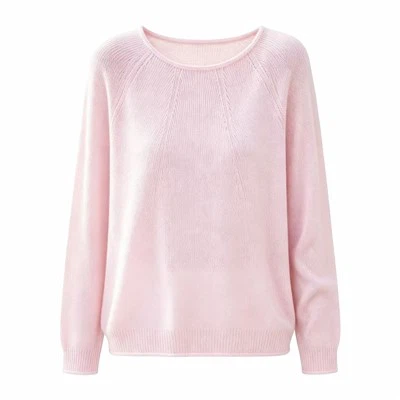
Over the years, I’ve learned that the best group uniforms for indoor activities aren’t just about matching—they’re about supporting the activity, making everyone feel comfortable, and working for the space you’re in. I’ve seen teams bond over a well-designed uniform that kept them comfortable during a long workshop, I’ve watched kids feel proud to wear a uniform that didn’t get ruined by art projects, and I’ve helped volunteer groups feel unified without spending a fortune. If you’re planning an indoor activity and need help picking group uniforms that work for your team, I’d be happy to walk through your needs, offer fabric and style suggestions, and answer any questions you have. Connect with our team to discuss your order and find the perfect uniforms for your group.
Casual Wear References:
- Indoor Air Quality Association. (2021). Fabric Selection Guidelines for Comfort and Performance in Indoor Work and Activity Spaces. IAQA Publications.
- National Association for Youth Sports. (2022). Uniform Best Practices for Indoor Youth Activities: Durability, Safety, and Inclusivity. NAYS Resource Library.
- Apparel Industries Association. (2020). Color and Fabric Performance Under Artificial Indoor Lighting for Event and Team Apparel. AIA Technical Reports.
- Society for Human Resource Management. (2023). Inclusive Uniform Policies and Practices for Corporate Team Activities. SHRM Employee Experience Resources.
Anhui Lida Garment Co., Ltd
We are one of the most experienced group uniforms manufacturers and suppliers in China, specialized in providing high quality customized service to global clients. Please feel free to wholesale bulk high-end group uniforms from our factory. Also, free sample is available.
Address: Intersection of Gulou North Street and Wei-3 Road, Chengguan Town, Shucheng County, Lu’an City, Anhui Province
E-mail: leaderclothing2026@163.com
WebSite: https://www.leader-clothing.com/
