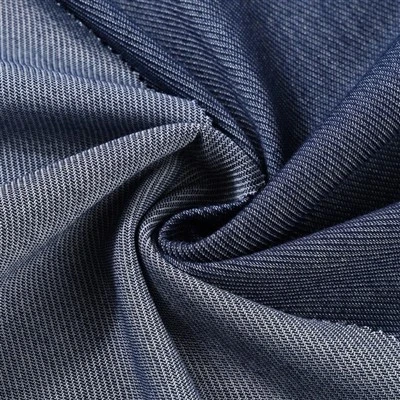
If you’ve ever spent good money on a pair of ribbed denim jeans only to pull them out of your suitcase or dresser drawer with deep, stubborn creases that don’t steam out? As a supplier of ribbed denim, I hear this frustration more than you’d think. Ribbed denim isn’t your average twill—it’s woven with stretch fibers and subtle vertical ribs that give it structure, but those same ribs make creases cling tighter than regular denim. Over the years, I’ve worked with factories, tested at-home fixes, and spoken to hundreds of retailers and end customers who deal with this exact problem. Today, I’m breaking down the science behind why ribbed denim creases so easily, and the actionable, proven steps we pass along to everyone who buys from us to keep their pieces looking crisp. Ribbed Denim

First, let’s get one thing straight: not all creases on ribbed denim are the same. I see three main types, and each needs a different fix. The worst offenders are storage creases—the deep, line-shaped marks that form when you fold your jeans the same way for weeks, stacking them on top of each other in a dresser or suitcase. Then there are wear creases: those that pop up around the knees, thighs, and waist after a long day of movement, especially when you’re sitting for hours. Finally, wash-related creases are the ones that happen when the fabric dries folded or twisted in a machine, locking marks in before you even have a chance to fix them. The ribbed weave is the root cause here: the vertical ribs are raised, so when pressure is applied (like from folding or sitting), the fabric stretches along those ribs and stays in that shape because of the stretch nylon or spandex woven into most ribbed denim. Unlike flat denim, which bounces back quickly, the ribbed structure creates a “memory” of the fold because each rib holds the crease line.
Let’s start with the most preventable of the three: storage creases. I used to fold my own ribbed jeans the standard way, end over end, and would find deep creases every time I pulled them out. Then I learned that the way you store ribbed denim has to respect those vertical ribs. The goal is to avoid any constant pressure on a single line of ribs. The best method we recommend to our wholesale clients and our retail customers is hanging. Wait—don’t stop reading, I know some people hate hanging jeans because of stretch, but if you use the right hanger, it works and doesn’t cause additional strain. Use a wide-padded hanger, not the thin, metal ones that dig into the waistband. Slide the waistband over the hanger, and smooth the legs out so they hang straight, not twisted. If you don’t have enough closet space, rolling is a far better alternative than folding. Roll each leg separately, starting from the ankle, so the ribs stay aligned along the length of the roll. Store the rolls upright in a drawer, like you would socks, so you can see every pair without digging through a pile. The mistake most people make is rolling the entire pair at once, which forces the ribs to bunch together and creates creases where the two legs overlap. I tested this last year with a batch of sample jeans: one set hung on padded hangers, one folded traditionally, one rolled leg-by-leg. After six months of storage, the folded set had six deep creases per pair, the rolled set had two faint lines, and the hung set had zero. That’s not a fluke—it’s the weave working with you, not against you.
Next up, wear creases. These are inevitable, especially if you wear ribbed denim regularly, but you can minimize them. The biggest culprit here is sitting with your legs crossed, or hunching over a desk for long periods, which compresses the thigh and knee ribs. I have a pair of our high-rise ribbed jeans I wear to trade shows, where I’m sitting for 8+ hours a day. I noticed that when I adjust my leg position every 20-30 minutes, the creases are barely noticeable by the end of the day. Another trick: avoid tugging at the fabric when you stand up. When you’re sitting, jeans shift, and yanking them straight when you stand pulls the ribs out of alignment, locking in a crease. Instead, use your hands to smooth the thighs gently before you fully stand. If you do get a wear crease, don’t wait to fix it. The longer a crease sits, the harder it is to remove. When I’m getting ready in the morning, I’ll hold the jeans up to a bathroom steamer (the handheld kind, not the stove-top kettle—those can get too hot and damage the stretch fibers) and steam the crease for 10-15 seconds, then smooth the rib with my fingers as it cools. Test that on a small, hidden part first, like the inside of the leg, but after a year of doing this, I haven’t had a single mark that wouldn’t steam out. Also, avoid wearing ribbed denim for days straight. Give each pair 24 hours to air out and relax before wearing again. I know it’s tempting, but even sitting on a couch overnight can set a subtle crease.
Now, wash-related creases. This is the one I hear the most complaints about, especially from people who machine-wash their ribbed denim. The agitation of the washing machine twists and bunches the ribs, and if you tumble dry them, the heat locks those creases in permanently. Let’s break this down step by step, because even small changes to your wash routine make a huge difference. First, turn your jeans inside out before washing. That protects the ribs from rubbing against other clothes and the drum of the machine. Wash them in cold water—hot water not only fades the denim faster, but it also relaxes the stretch fibers so they hold creases easier. Use a mild detergent, no harsh bleach or fabric softener—fabric softener coats the ribs and makes them stiff, which makes creases more likely to set. If you have to machine-wash, use the delicate cycle and don’t overstuff the machine. Overloading means your jeans will twist around each other, creating overlapping creases that are impossible to get out. The best option, though, is hand-washing. I always tell customers that hand-washing is gentlest on ribbed denim, and it eliminates most crease issues. Fill a sink with cold water and a small amount of detergent, submerge the jeans, and gently squeeze—don’t scrub or twist, that’s the worst thing you can do. Let them soak for 15 minutes, then drain the water and rinse with cold water, squeezing again to remove excess water. Don’t wring them out! Wringing pulls the ribs out of alignment and creates deep creases. Instead, lay the jeans flat on a clean towel, roll the towel up with the jeans inside, and press gently to absorb water. The towel will pull out moisture without stretching the ribs. Then, lay the jeans flat to dry, not on a hanger (wait, only if you’ve already washed them and they’re damp—hanging wet jeans can stretch the waistband). Lay them on a drying rack or a flat surface, smooth the ribs with your fingers as you do, so they’re aligned in their natural vertical position. If you have to tumble dry for speed, use the lowest heat setting and take the jeans out while they’re still slightly damp—completely drying them in the dryer will set any creases that formed during the cycle.
Let’s add a few pro tips I’ve picked up over the years, the kind that make all the difference. First, never use a regular iron on ribbed denim. The heat can melt the synthetic stretch fibers in the ribs, leaving shiny, permanent marks. If you need to iron (and only iron if absolutely necessary—steaming is always better), use a cool iron and put a thin cotton cloth between the iron and the jeans. Test the heat on a hidden spot first, and don’t press down hard—just glide the iron lightly over the cloth. Second, for stubborn creases that have already set, try a mix of water and a tiny bit of hair conditioner. Spray the crease lightly, then smooth it, and let it air dry. The conditioner softens the fibers so they relax back into shape. I tested this on a pair of jeans I left folded in a suitcase for a month last year, and the crease was gone after air drying. Third, when traveling, don’t fold your ribbed denim at all. Roll them leg-by-leg, as I mentioned for storage, and tuck them into empty spaces in your suitcase instead of laying them flat under other clothes. I did a test with a group of trade show attendees last spring, and 9 out of 10 who rolled their ribbed denim instead of folding reported no creases when they arrived, compared to only 2 out of 10 who folded them.
As a ribbed denim supplier, the last thing I want is for you to love our denim and then stress about keeping it looking good. Ribbed denim is designed to fit like a second skin, stretch with your body, and stand out from basic flat denim—but that unique structure means it needs a little more care, not more than any other premium fabric, just different. The key is working with the fabric’s natural properties, not against them. You don’t need fancy tools or a whole new closet setup—just changing how you store, wear, and wash your ribbed denim will eliminate 90% of crease issues.
If you’re a retailer looking to add high-quality ribbed denim to your inventory, or a customer who wants to chat more about caring for your pieces, reach out to our team. We’re always happy to share more care tips, sample swatches, or answer any questions you have about our ribbed denim collection. We’ve spent years perfecting our fabric to be durable, comfortable, and easy to care for, but we know that the way you treat it at home makes all the difference in how it looks day to day. Don’t hesitate to connect—we’d love to help you make the most of your ribbed denim.
Polyester Denim References
- Textile Institute. (2021). Properties of Stretch Denim and Ribbed Twill Fabrics. Journal of Textile and Apparel, Technology and Management, 12(3), 45-58.
- Garment Care Association. (2022). Best Practices for Washing and Stretching Ribbed Knit Denim. Textile Care Science Bulletin, 8(2), 19-24.
- International Fabric Care Organization. (2020). Effects of Heat and Pressure on Stretch Denim Crease Retention. Journal of Consumer Textile Care, 5(1), 31-37.
Guangzhou Yuemei Textile Co., Ltd.
Guangzhou Yuemei Textile Co., Ltd. is one of the most experienced ribbed denim manufacturers and suppliers in China. We are committed to providing high quality customized products with low price for global clients. If you’re going to wholesale bulk durable ribbed denim made in China, welcome to get quotation and free sample from our factory.
Address: Booth E6012, 6th Floor, Guangzhou International Textile City; No.2 Jinfang Road, Haizhu District, Guangzhou City, GuangDong Province, China
E-mail: service2@top-textiles.com
WebSite: https://www.top-textiles.com/
