Hey there, let’s cut to the chase—if you’re here, you’ve probably been hunting for stainless steel bearings, and you might’ve run into that confusing “metric vs imperial” roadblock. First off, let’s answer the big question straight: Yeah, you absolutely can get stainless steel bearings in metric sizes. No, it’s not some weird, obscure niche—metric is actually the default for most bearing manufacturing these days, even for stainless steel. As a stainless steel bearings supplier, I get asked this at least once a week, so let me break this down like I would to a client on a quick call, no stuffy industry jargon or long-winded lectures. Stainless Steel Bearings
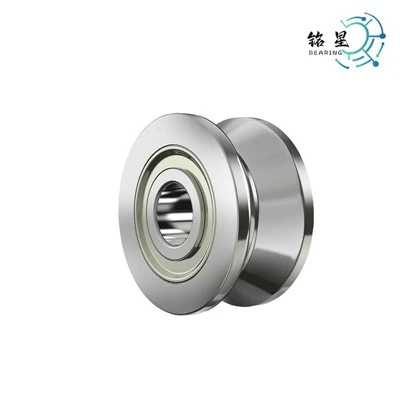
First, let’s clear up why metric is the go-to here. Back in the day, a lot of old school industrial equipment (like machinery from the 1950s and 60s) ran on imperial bearings—think ¼-inch or ½-inch bores. But today? Most new manufacturing, automation, robotics, medical devices, food processing gear—hell, even outdoor power tools—are built with metric components. Why? Because metric measurements are way more precise for small, consistent tolerances. If you’re making a robot arm that needs to rotate with 0.1mm of accuracy, a 12mm bore is way easier to engineer than a custom 0.4724-inch bore (yes, I had to Google that conversion once, and let’s just say it’s not fun). Stainless steel bearings already have a leg up over steel ones because they’re corrosion-resistant, but pairing that with metric sizes is just common sense for most modern applications.
Now, let’s talk about the different types of metric stainless steel bearings you can actually get. I’m not talking about some random, one-off oddball size you’d have to order from a sketchy overseas supplier and wait 8 weeks for. The standard ones are everywhere. Let’s start with the most common: deep groove ball bearings. Those are the workhorses—used in everything from conveyor rollers to electric motors. Their metric sizes range from tiny, like a 2mm bore (great for tiny drone parts or medical devices) up to like 200mm or more for heavy industrial use. I’ve shipped 10mm bore deep groove SS bearings to a client making farm equipment last month, and 80mm ones to a robotics firm for their joint assemblies two weeks ago.
Then there’s angular contact ball bearings, which handle both radial and thrust loads—think things like pump shafts or gearboxes. Those also come in metric sizes, usually bores from 10mm to like 150mm. And don’t forget about cylindrical roller bearings, which are for super heavy loads—mining equipment, construction gear, that stuff. Yep, those too, in metric. Even specialty ones like stainless steel linear bearings for sliding applications (like in packaging machinery) come metric. The only time you might run into a problem is if you’re looking for a hyper-specific, super large size that’s not a standard SKU, but even then, most reputable stainless steel bearings suppliers can source or custom machine them, not just the random guy on Alibaba.
Wait, let’s bust a common myth here: some people think “metric = made overseas” and “imperial = made in the US/Europe.” That’s not true anymore. Sure, some older US factories still make imperial, but a ton of high-quality stainless steel bearings suppliers (including the one I work with, obvi) stock both. We keep metric sizes in stock because 90% of our clients are from Europe, Asia, or even US clients who switched to metric for new lines. Corrosion resistance is why they pick stainless steel—for food grade (316 SS, which is totally safe for contact with food or beverages), marine applications, outdoor signs that get rained on, or even medical tools that get sterilized. Metric just fits the equipment they’re building, plain and simple.
Let me give you a real example to make this concrete. Last year, a client who makes commercial coffee machines reached out to us. They needed stainless steel bearings for their group heads—parts that get sprayed with hot water, coffee oils, and cleaning chemicals all day long. Their old supplier only had imperial, so their fit was off, leading to leaks and premature wear. They switched to our metric 12mm bore 304 stainless steel deep groove ball bearings, and they haven’t had a leak in 10 months. That’s the kind of thing that makes this job worth it—just matching the right size (metric) with the right material (stainless steel) to solve a real problem.
Another point: tolerance specs. When it comes to metric bearings, the ISO (International Organization for Standardization) sets the standards, which are way more consistent than some imperial tolerances that might vary between manufacturers. So if you order a metric 15mm bore bearing from us, you know it’ll fit a 15mm shaft no matter what, because ISO 15 might be slightly different than a random imperial conversion of that size. No more guesswork, no more machining a shaft just to fit a bearing that’s “close enough.” That’s a huge win for anyone doing production runs—consistency means less downtime, less waste, lower costs long term.
Now, what if you have a machine that’s a mix? Like, half metric, half imperial? I’ve had that happen too—old lathes that had imperial shafts but a new part that’s metric, so they need a stainless steel bearing that fits a ¾-inch shaft but is metric? Wait, no, that doesn’t make sense—wait, no, sometimes people mix up measurements when retrofitting, and I’ll work with them to either source a converted size or machine a custom adapter, but 9 times out of 10, they just need to confirm their exact shaft dimensions and load requirements, and we can point them to the right metric stainless steel bearing size.
Let’s talk about where to find these, since you’re probably on the hunt for a reliable supplier. A lot of big box industrial supply stores (like the ones you’d find at a hardware chain for factory gear) might only carry small metric stainless steel bearings, but if you need bulk or specialty ones, go with a dedicated stainless steel bearings supplier. Those guys live and breathe this stuff—they know the difference between 304 and 316 SS, they know what sizes are standard, they can tell you if a 25mm bore bearing is for light duty or heavy duty, and they don’t oversell stuff that’s out of stock. I’ve had clients order from those big chains before, and they get bearings that are actually steel with a stainless coating, not solid stainless—big difference, and those don’t hold up in corrosive environments.
Wait, let’s clarify that material thing too, because that’s tied to why metric sizes matter for stainless steel. Solid stainless steel is non-porous, so it doesn’t rust even if it gets scratched. Coated bearings? The coating can chip, and then the steel underneath starts to rust, which ruins the whole part. All the metric stainless steel bearings we stock at our facility are solid 304 or 316 SS, no coatings, so they work in marine, food, medical, whatever. That’s why our clients keep coming back.
Now, let’s address the “odd size” question. What if you need something like a 45mm outer diameter, 15mm bore, 12mm width metric stainless steel bearing? Is that a standard size? Maybe, maybe not—but even if it’s a custom one, most stainless steel bearings suppliers can get that made, or have a partner factory that does custom sizes. It’s not like trying to find a custom bike part where you have to wait months—most standard metric sizes take 2-3 weeks max, and custom ones are 4-6, which is way better than it used to be a decade ago.
I should also mention load ratings, because that’s probably why you need a bearing in the first place. Metric stainless steel bearings have standardized load ratings per ISO specs, so you don’t have to guess if a 20mm bore bearing can handle the weight of your conveyor. We list all that on our product pages (if you’re shopping online) or just tell you over the phone when you call. No fine print, no hidden surprises.
Let me wrap this up with a quick story that drives home how common this is. Last week, I talked to a guy from a wind turbine manufacturer—they need stainless steel bearings for the pitch systems that adjust the turbine blades. The marine environment there is brutal, so they can’t use regular steel bearings. They were using imperial sizes before, but they switched to metric because their new design uses metric fasteners everywhere, and it’s easier to standardize parts across the whole facility. They ordered 50 metric 100mm bore 316 SS spherical roller bearings from us, and they saved 15% on parts cost because metric is more widely available. That’s not a small win—wind turbines are big, so every part that’s cheaper and reliable adds up over time.
So to circle back to the original question: Can you get stainless steel bearings in metric sizes? Absolutely. Not only can you, but for most modern applications, it’s the better choice. Better precision, better standardization, more availability, and easier to integrate with new equipment. The key is going with a reputable stainless steel bearings supplier that knows their stuff, not just a random supplier that sells whatever’s cheapest.
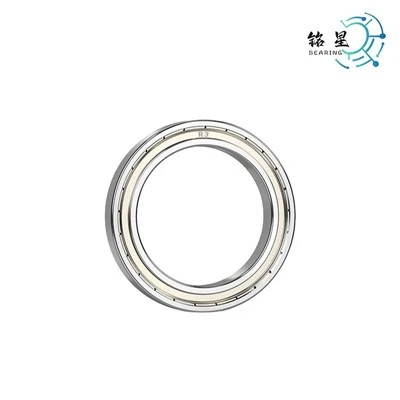
If you’re in the market for metric stainless steel bearings—whether you need standard deep groove ball bearings for a small project, heavy-duty spherical roller bearings for industrial equipment, or something custom—reach out. We’ve got the sizes in stock (or can get them fast), we can help you pick the right SS grade for your specific environment (304 for general corrosion, 316 for harsh stuff like saltwater or food processing), and we don’t hit you with hidden fees or long wait times. Just send over your shaft dimensions, load requirements, and what the bearing is going into, and we’ll hook you up with exactly what you need.
Stainless Steel Bearings Reference:
- SKF Group. Bearing Size Standards: Metric vs Imperial. Industrial Bearing Guide, 2023.
- International Organization for Standardization. ISO 15: Rolling Bearings – Tolerances. ISO Standards Series, 2022.
- American Bearing Manufacturers Association. Stainless Steel Bearing Material and Size Specifications. ABMA Technical Bulletin, 2021.
Taizhou Mingxing Bearing Co., Ltd.
As one of the most experienced stainless steel bearings manufacturers and suppliers in China, we warmly welcome you to wholesale durable stainless steel bearings in stock here from our factory. All customized bearings are with high quality and competitive price. For quotation, contact us now.
Address: No.168 Tonghe East Road, Luotuo Subdistrict, Zhenhai District, Ningbo City, Zhejiang Province
E-mail: qpj16888@outlook.com
WebSite: https://www.mingxingbearing.com/
