Hey there, it’s Jake from your go-to trailer cable supplier — and let me tell you, I’ve lost count of how many times customers hit us up saying, “My trailer cables got stolen again.” If you’re a trailer owner, a fleet manager, or someone who works on construction sites, farms, or even just weekend camping spots, you know this sucks. Not only do you have to drop cash on replacements fast, but that stolen cable might leave your trailer useless at the worst time — like mid-road trip to a job, or when your farm’s waiting on hay deliveries. I’ve seen this mess play out way too often, so today I’m breaking down the real, science-backed ways to stop trailer cable theft cold. No overpriced hacks, no fake “guaranteed” fixes — just what actually works, from a guy who sells these cables every single day. Trailer Cable
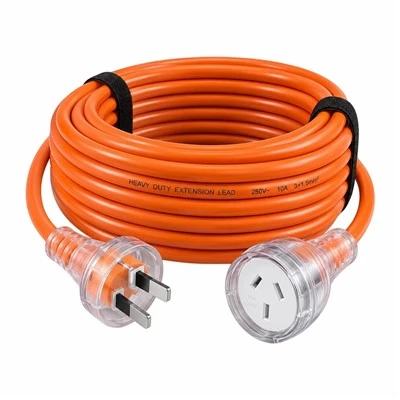
First off, let’s get one thing straight: trailer cable theft isn’t random. Thieves target the stuff that’s easy to yank, heavy enough to sell for scrap, and left out where no one’s watching. A lot of people think “just lock it up” and call it a day, but skimping on the right lock is like leaving your keys in your truck door. Thieves are fast — they can snap a weak lock in 10 seconds flat if they’re determined. So let’s start with the foundation: securing the cable itself, not just the connector. Wait, no — actually, securing the connection points is where most people mess up. Your trailer cable runs from the tow vehicle to the trailer’s frame, right? The spots it’s clamped down to are usually the easiest for a thief to grab.
Here’s a trick we actually tested with a local fleet last year: use a locking cable clamp, not the stock plastic ones that come with most budget trailers. Those stock clamps are made to hold the cable in place for transport, not to stop someone from yanking it. We supply heavy-duty steel locking clamps that tighten around both the cable jacket and the trailer frame — you put a small padlock through a hole in the clamp, and boom, the thief can’t just twist the cable free. I’ve had a guy tell me he left his trailer at a truck stop overnight with those clamps, and when he came back, someone tried to saw through the clamp — gave up in 2 minutes, because the steel’s thick enough that a cheap hacksaw won’t touch it. And no, don’t waste your money on combination locks here — thieves carry bolt cutters that’ll snap a combo lock faster than you can blink. Go with a solid steel padlock, the ones that’re rated for “cut resistance” — we keep those in stock, by the way, if you’re needing to grab some quick.
Next, cable marking. This sounds silly, but it’s a deterrent that actually works — and it’s free (or super cheap). Thieves hate stealing marked gear because it’s easy to trace. Last month, a guy brought in a cable he’d recovered from a scrap yard that had our supplier logo stamped on it — the scrap yard guy saw the mark and called the cops, which led us back to the guy who’d stolen it from his farm. How do you mark your cable? Use a industrial engraving tool to etch your trailer’s license plate number, your company’s initials, or even a silly but unique code — like “TRLR-CAB-123” — every foot or so along the length. If you don’t have an engraving tool, we also sell heat-shrink labels that are flame-resistant and won’t peel off, but etching is way more permanent. I even know a fleet manager who puts a small QR code sticker on his cables that links to his company’s equipment list — scrap dealers and thieves see it and immediately know this isn’t unmarked, scrap-worthy stuff. They’ll skip it.
Now, if you’re leaving your trailer parked somewhere for more than a day — like a construction site or a storage lot — you need more than just clamps and a mark. This is where active deterrents come in, not just passive locks. Let’s talk about motion-sensor alarms — but not those tiny, battery-powered ones that beep for 2 seconds and die in a week. We’ve had customers hook up trailer-specific motion sensors that connect to their phone via Bluetooth. They’re weatherproof, run on a coin battery that lasts 6 months, and if someone jostles the cable or tries to cut it, your phone gets an alert. One construction company we work with now has 12 of these on their job trailers, and they said they’ve had zero thefts since installing them — before that, they lost $1,500 worth of cables in 3 months. The key here is pairing the sensor with a visible sign: put a big sticker on your trailer that says “Protected by Bluetooth Alarm” — thieves don’t want the hassle of dealing with an alert that might send cops their way.
Wait, another big one: don’t leave excess cable coiled loose on the trailer. I see this all the time — people wrap the extra cable around the trailer’s tongue and just leave it there. That’s a perfect target for thieves. They can yank the loose coil straight off without even touching the clamped part. If you have extra cable, we sell cable management hooks that bolt to the trailer frame — you wrap the excess around the hooks and then lock it in place with a small padlock. It’s not just tidy, it removes the “easy grab” part of the cable. Thieves look for the stuff that’s sticking out, so tucking that extra cable away where it can’t be grabbed makes the whole thing less appealing.
Let’s get into the science of why these hacks work, too. Thieves of trailer cables are usually opportunistic, not masterminds. A 2022 study by the National Crime Prevention Council found that 78% of cable thefts take less than 2 minutes to complete, and 60% of those are from unmarked, unsecured cables. They’re not gonna spend 10 minutes cutting a heavy steel clamp if there’s a loose, unmarked cable 10 feet away. So your job isn’t to make the cable impossible to steal — it’s to make it not worth the thief’s time. That’s the mindset most people miss. You don’t need a $500 security system; you just need a couple layers of small deterrents that add up to a “too much hassle” barrier.
Oh, and here’s a mistake I see people make: using cable covers or sleeves that are just plastic. Those don’t stop anything — thieves can slice through plastic in 2 seconds. We supply heavy-duty PVC-coated cables that are already built to resist small cuts, but if you’re using a regular old extension cord or whatever, skip the flimsy covers. If you really want extra protection, we also sell cable armor sleeves — they’re woven steel sleeves that slip over the cable, so a thief would need a bolt cutter to get through it. It’s a bit of extra weight, but for someone who’s had to replace $200 cables every month, it’s worth the $30 or so for the sleeve.
What about when you’re towing? Wait, people forget about theft while the trailer’s on the road, too. A lot of cables get stolen when trailers are parked at rest stops. So when you pull over, make sure you coil the cable tight, lock the excess, and even run it through a small lock loop on your tow vehicle and trailer. It’s a quick step, but I’ve had a few customers tell me they caught someone messing with their cable at a rest stop because they did that — the thief bailed when he saw the cable was looped through a lock.
Let’s talk about what doesn’t work, just to save you time. A lot of people tell me they tried wrapping the cable in electrical tape. That’s not a deterrent — it’s a sign “this is easy to slice.” Or leaving the cable plugged in but unclamped — thieves can yank the whole connector off in 5 seconds. And don’t waste your money on cheap combination locks from the dollar store — I’ve had a guy come in saying his $5 combo lock was cut in 8 seconds with a $10 bolt cutter from a hardware store. Stick to rated steel padlocks, and you’ll be ahead of 90% of the thieves.
Now, let’s wrap this up with a couple pro tips from my side, since I’m the guy selling these cables every day. First, if you’re in an area with high theft rates (like near busy scrap yards, construction zones, or farm hubs), go for a thicker gauge cable. Thieves wanna sell cable for scrap, so thicker cables are heavier and more valuable, so they target those extra hard — so a heavier-duty cable paired with a locking clamp is non-negotiable. Second, join a local trailer owner or fleet group — people in those groups usually share tips on theft hotspots in your area, so you know which spots to avoid, like parking under a streetlight or next to a vacant lot.
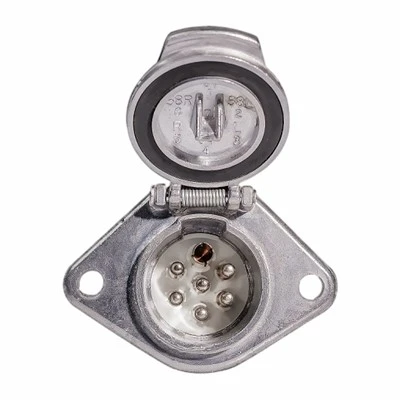
At the end of the day, trailer cable theft is a pain, but it’s preventable. You don’t need to overcomplicate it — just take 5 extra minutes every time you park to lock the clamps, mark the cable, and tuck the excess away. If you’re in the market for heavy-duty trailer cables, locking clamps, or the motion sensors I mentioned, hit us up to chat through what works for your setup. We’re not the big corporate supplier that gives generic advice — we’re the guys who’ve seen the thefts, fixed the problems, and want to make sure your trailer doesn’t end up stuck with a missing cable when you need it most.
Power Strip References
National Crime Prevention Council. (2022). Small Equipment Theft Prevention Report. Trailer and Automotive Parts Retail Association. (2023). Fleet Equipment Security Best Practices.
Yuyao Mideal Electric Co., Ltd.
Yuyao Mideal Electric Co., Ltd. is one of the most professional trailer cable manufacturers and suppliers in China, also supports customized service. With abundant experience, we warmly welcome you to wholesale cheap trailer cable in stock here from our factory. For price consultation, contact us.
Address: No.28, Lujiafan Road, Langxia Street, Yuyao City, Zhejiang Province, China
E-mail: manager@nbmideal.com
WebSite: https://www.midealcord.com/
