As a FedEx Express Delivery Manager, I get this question all the time—from new couriers, small business owners dropping off packages in my depot, even my own cousin who swears he “knows someone at FedEx” who handles all the “important stuff.” The truth is, it’s not some secret, top-down system. It’s a messy, people-first process that balances deadlines, driver schedules, and a whole lot of last-minute tweaks—especially for someone like me, who’s on the ground every single day, not just staring at a computer screen. Let me break this down the way I actually do it, not the way FedEx’s website frames it. Express FEDEX
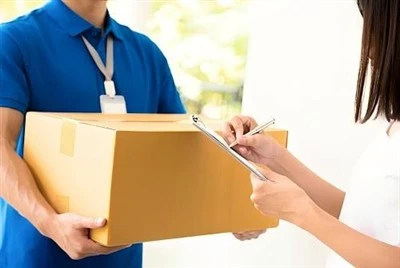
First off, let’s get one thing straight: I’m not a glorified dispatcher. Yeah, I do assign routes, but that’s like 20% of my job. The rest? I’m the middleman between the 40 drivers on my team, the shippers who drop off 100+ packages a day at my depot, and the customers who are waiting on a birthday gift or a critical part for their factory machine that’ll shut down if it doesn’t show up. Every morning starts at 5 a.m., way before the first truck rolls out. I’m grabbing a coffee (double shot, no sugar—don’t judge) and logging into the FedEx internal tool, but I also pull up a physical whiteboard in my office. Why? Because the digital tools freeze up when there’s a sudden snowstorm or a last-minute reroute, and I need to have a backup plan scribbled in marker.
Here’s how it works, step by step, for the packages you’re shipping when you drop them off at a FedEx location or schedule a pickup. When a shipper (that’s you, if you’re a small business owner) books an Express delivery, the package goes into a FedEx tracking system first. But that’s just the address and the service level—next-day, 2-day, Saturday delivery. My team at the local depot gets that information 3 hours before the trucks are supposed to head out. My first move is to sort those packages by priority. If a package is marked “Next-Day Air Critical” (that’s the one the factory needs), it goes at the top of the list. If it’s a pair of jeans someone ordered online, it can wait a little longer.
But here’s where my job gets tricky: I don’t just assign a route and call it a day. I know every driver on my team. Dave, for example, lives 10 minutes away from a big office park that has 15 packages going out every day, so I put him on that route. Maria has a bad back, so I don’t give her the routes with 50 small, heavy boxes that require climbing a flight of stairs. Last month, Dave’s truck broke down on his way to a route, so I had to shift his packages to Maria, even though her route was already full. I had to call each customer on Dave’s list to apologize, explain the delay, and offer a $10 credit to their next FedEx shipment. That’s the part no one talks about—customer service is my job, too, even when a truck breaks down 30 minutes after leaving the depot.
Once the trucks are out, I’m not done. Every hour, I check the tracking updates. If a driver is stuck in traffic on the highway, I redirect a nearby driver to pick up a few of their packages so the on-time rate doesn’t drop. On a recent Tuesday, a customer called at 2 p.m. saying they needed a package delivered to a hospital emergency room by 4 p.m.—it was a blood sample for a test. I pulled it off a truck that was already on the road, called a driver who was finishing their route, and told them to skip the last stop on their list (I called that customer, explained, and gave a credit) to make the ER drop-off. That’s the kind of call I get 10 times a week. It’s not in the FedEx playbook, but it’s how you keep customers happy.
Now, let’s talk about the end of the day. The trucks come back at 8 p.m., and I have to make sure every single package was delivered. If a package is marked “delivered” but the customer says it never arrived, I’m the one who has to track it down. Last week, a small business owner in my area had a $2,000 package of laptop chargers marked as delivered, but they never got it. I pulled the driver’s GPS data—turns out, they left it on a neighbor’s porch by mistake. I called the neighbor, who was able to drop it off at the depot that same night, and I got it to the business first thing the next morning. That’s the kind of problem I solve, not just the route assignments.
Being a FedEx Express supplier means I’m not just managing my drivers—I’m also managing the relationship between my small business customers and FedEx. A lot of shippers don’t know how the system works, so they call me when their package is late. I can tell them why: maybe a plane had to divert due to bad weather, maybe a driver got sick and we had to shift routes, maybe the address was wrong. I don’t make up excuses. I just tell them the truth and fix it. That’s why repeat customers stick with me—they know I’m not some corporate guy sitting in an office, I’m the one they can call at 7 p.m. on a Sunday when they need a package rushed.
One thing I wish more people understood is how much weather affects this job. Last winter, we had a blizzard that shut down the entire city. Most drivers couldn’t make it to the depot, so I had to use every available person—including the part-timers who work at the front desk—to deliver small packages. I drove a route myself that day, delivering a heat blanket to a senior who’d ordered it, because no one else could get there. FedEx’s internal system tried to send every package to a different depot 50 miles away, but I fought that. I knew the local customers needed their packages, so I convinced the regional manager to let us keep our trucks on the road, even if it meant some delays. That’s the kind of decision you can only make when you’re on the ground, not when you’re looking at a screen in Chicago.
Another big part of my job is training. New couriers don’t know the best way to navigate the back roads that save 10 minutes on a route, or how to safely carry 10 small boxes without dropping them. I spend every Wednesday morning training the new hires, showing them the shortcuts around the city, how to talk to customers when their package is late, and what to do if they get lost. Last year, a new driver got lost in a residential neighborhood and ended up delivering a package to the wrong house. I helped him make it right, and now he’s one of my best drivers—because I didn’t just give him a route, I taught him how to do the job right.
Let’s also talk about the tracking system. A lot of customers think “tracking” is magic, but it’s just drivers scanning barcodes at every stop. When a driver drops off a package, they scan it with their handheld device, and the update goes straight to FedEx’s website. But if a driver forgets to scan, or the barcode is smudged, I’m the one who has to verify delivery. I’ll call the customer to confirm they got the package, or check the driver’s GPS to see where it was left. That’s why I’m on call 24/7—if something goes wrong, I’m the one they call.
As a FedEx Express supplier, I also have to meet FedEx’s performance standards. On-time delivery is 90% of my job’s evaluation. So I’m always tweaking routes, talking to drivers about their schedules, and finding ways to cut down on delays. Last month, I noticed that a route was taking too long because a driver was stopping at a gas station every hour. I worked with him to schedule gas stops before the route starts and on his lunch break, so he doesn’t waste time. Small changes like that add up to better on-time rates.
But it’s not all deadlines and problems. There are good days, too. Last month, a customer sent me a pizza because I got their wedding dress delivered on time—they’d ordered it online, and it was going to their wedding in another state. That’s the kind of stuff that makes the long hours worth it. I also try to give back to the community. Every holiday, my team delivers packages to local food banks, and we give free shipping to nonprofits in the area. That’s part of being a local supplier, not just a corporate employee.
Wait, let’s get real for a second. This job is hard. I work 60 hours a week, most weekends, and I get calls at 3 a.m. when a package needs to be rerouted. But it’s also the most rewarding job I’ve ever had. I get to work with a team of people who care, and I get to help small businesses grow. A lot of my customers are mom-and-pop shops that can’t afford their own delivery service, so they rely on me and my team to get their packages out on time. That’s why I do it.

If you’re a small business owner who ships Express packages, or a customer who needs a critical delivery, I can help. I know the ins and outs of the FedEx system, I can help you track down a missing package, or adjust your delivery timeline if you need it. Don’t hesitate to reach out to me to discuss your shipping needs.
Air Freight Air Express References:
- FedEx Express: "Local Delivery Operations Guidelines" (2023)
- National Small Business Association: "Shipping Logistics for Small Businesses" (2024)
- Bureau of Labor Statistics: "Delivery Worker Job Outlook" (2023)
- FedEx: "Performance Standards for Express Delivery Managers" (2024)
- Local Transportation Department: "Urban Route Optimization for Last-Mile Delivery" (2023)
Foshan Shijie International Logistics Co., Ltd.
With abundant experience, we are one of the most professional express fedex service suppliers in China. We are committed to offering reliable express fedex service and logistics solutions with low price. If you have any enquiry about quote, please feel free to email us.
Address: Room 701A, Office Building, Jinbo Commercial Center, No.88, Guiye Road, Guicheng Street, Nanhai District, Foshan City, Guangdong Province
E-mail: alicesmith.tradingbusiness@gmail.com
WebSite: https://www.fsshijielogistics.com/
