If you’re working in flexible packaging, I’ve lost count of how many times someone’s asked me, “Is vacuum-metalized BOPP (VMBOPP) a good fit for lamination?” As a supplier who’s focused exclusively on this material for the last 12 years, I’ve heard the full range of takes—from packaging engineers who swear by its versatility to brand managers who’ve had bad experiences with inconsistent adhesion. The truth isn’t a simple yes or no; it’s about matching the right VMBOPP grade to your lamination needs, understanding its unique properties, and avoiding the common pitfalls that trip up even the most seasoned teams. Let me walk you through what I’ve learned, straight from the lab and the production floor. Vacuum-Metalized BOPP
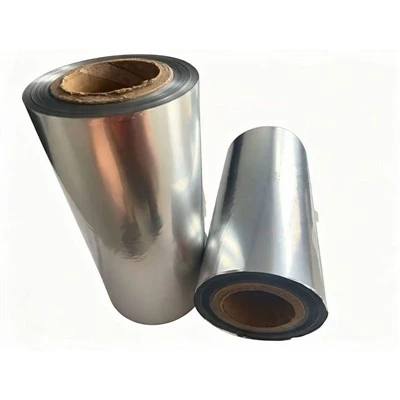
First, let’s get clear on what vacuum-metalized BOPP actually is. Biaxially oriented polypropylene (BOPP) is already a staple in flexible packaging because it’s lightweight, chemically resistant, and has excellent stiffness. When we apply a thin layer of aluminum (usually 20 to 50 nanometers thick) to its surface via vacuum deposition, we turn that ordinary plastic film into a barrier hero. That aluminum layer blocks light, oxygen, and moisture far better than plain BOPP—critical for products like coffee, snacks, or pet food that need to stay fresh for months. But why lamination? Because single-layer VMBOPP is rarely enough for most packaging applications. Lamination bonds VMBOPP to other films (like polyethylene, PET, or even paper) to create a multi-layer structure that balances barrier properties, printability, sealability, and toughness.
For a long time, some packaging experts dismissed VMBOPP lamination as too finicky, pointing to adhesion issues between the metal layer and the adhesive. Early generation VMBOPP had a weak interlayer between the aluminum and the BOPP base film—called a “primer layer”—that was designed just to help the metal stick, not to bond well with lamination adhesives. Back then, we had to treat the metal surface with a secondary plasma coating before lamination, which added cost and production steps. But today’s VMBOPP grades? We’ve reengineered that primer layer to do double duty: it boosts metal adhesion to BOPP and creates a smooth, receptive surface for a wide range of lamination adhesives. That’s a game-changer.
Let’s talk about the technical side, because this isn’t just guesswork. Lamination of VMBOPP typically uses two common methods: solvent-based adhesives and solventless adhesives. Solvent-based works well with standard VMBOPP, as long as you match the adhesive’s chemistry to the primer layer. For example, polyurethane (PU) adhesives are the gold standard here—they form strong, flexible bonds that don’t break even when the laminate is flexed, crinkled, or subjected to temperature swings. I’ve seen clients use solvent-based PU adhesives on VMBOPP for snack chip packaging, and the peel strength hits 1.5 N/15mm, which is above the industry minimum for flexible laminates. That means the layers won’t separate on the shelf, even if the bag gets dropped or folded.
Solventless lamination is where things get interesting, because it’s become the preferred method for brands focused on sustainability (it uses 90% less solvent than solvent-based, cutting emissions and drying energy costs). For a long time, people thought solventless adhesives couldn’t bond well to VMBOPP’s metal layer, but that’s no longer true. Modern VMBOPP is coated with a thin corona-treated layer on top of the metal primer, which improves surface energy to 42 dynes or higher—exactly what solventless adhesives need to wet out and form a strong bond. I worked with a plant in the Midwest last year that switched from solvent-based to solventless lamination for their VMBOPP-based coffee bags, and they saw a 22% reduction in production costs while adhesion quality stayed consistent. The key here is to pick a VMBOPP grade specifically formulated for solventless lamination—regular VMBOPP will fail here, but the specialized grades we produce are designed for this exact process.
Of course, no material is perfect, and VMBOPP has its limitations. The biggest one is its sensitivity to high temperatures and harsh chemicals. If you’re laminating for applications that require retort sterilization (121°C for 20+ minutes, common for ready-to-eat meals), plain VMBOPP won’t hold up. The aluminum layer can oxidize when exposed to high heat and moisture, which breaks down the bond between the metal and the primer, and also degrades the barrier properties. For retort applications, you need a high-temperature stabilized VMBOPP grade, or you might need to add a thin PET layer between VMBOPP and the food contact film as a buffer. I always warn clients: if your package will go through retort, don’t skip the stabilization step. I’ve seen too many batches of VMBOPP-based retort packaging come back with foggy aluminum layers and failed peel tests because they used standard VMBOPP.
Another common question: can VMBOPP be laminated to paper? Yes, and that’s a huge growth area for brands moving away from plastic packaging. Paper is porous, so the lamination adhesive needs to penetrate into the paper’s fibers to form a strong bond, but it also has to stick to the metal layer on the VMBOPP. We’ve developed VMBOPP grades with a matte metal surface (instead of the standard glossy) that improves adhesion to paper, because the rough metal texture interlocks with the paper’s fibers. A craft snack brand I worked with last year used this grade to make resealable paper bags for their granola, and they reported no delamination during shelf testing, even after being crumpled repeatedly in grocery carts. That’s a win for both the brand’s sustainability goals and their product’s shelf life.
Now, let’s get into what I wish every packaging engineer knew when working with VMBOPP lamination. First, surface tension matters more than people realize. If the VMBOPP’s metal surface has a surface energy below 38 dynes, the adhesive won’t spread evenly, leading to weak spots, poor adhesion, and even gaps that let oxygen get through. We test every roll of our VMBOPP before it leaves the facility with a dynes pen, and we include a COA (certificate of analysis) that lists the surface energy value—you’d be surprised how many suppliers skip that, leading to headaches for their clients. Second, storage and handling of VMBOPP before lamination is critical. The metal layer is sensitive to moisture and UV light—if you leave rolls of VMBOPP sitting in a warehouse for six months, exposed to sunlight and humidity, the surface energy drops by 5 to 10 dynes, and adhesion becomes inconsistent. My advice: use VMBOPP within 90 days of production, and store rolls in a cool, dry place away from direct light. Third, adhesive choice is non-negotiable. Don’t use acrylic adhesives for VMBOPP lamination—they don’t bond well to the metal primer, and they can cause the aluminum layer to crack when the laminate is flexed. Stick to PU adhesives for most applications, and only use epoxy-based adhesives if you need extra chemical resistance for things like cleaning product packaging.
I also want to address the elephant in the room: is VMBOPP more expensive than other vacuum-metalized films, like VMPET? Short answer: yes, but not by as much as you think, and the tradeoffs are worth it. VMBOPP is lighter than VMPET, so if you’re making 1 million bags, switching from VMPET to VMBOPP can cut film costs by 10 to 15% because you use less material. It also has better stiffness, which means bags hold their shape better on store shelves, no more flimsy bags that customers think are underfilled. VMPET is more rigid, which can be good for things like stand-up pouches that need extra structure, but for most applications, VMBOPP gives similar barrier at a lower total cost. I’ve had clients who switched from VMPET to VMBOPP and ended up with better packaging at a lower price—they were shocked how much money they saved.
Wait, but what about recycling? I know that’s a big concern for brands now, as regulations get stricter about single-use plastics. VMBOPP is a polypropylene-based material, which is recyclable in most curbside plastic recycling programs, as long as it’s not laminated to other non-polypropylene films. If you laminate VMBOPP to a low-density polyethylene (LDPE) film, the whole laminate is polypropylene/polyethylene, which can be recycled in most mechanical recycling facilities. If you use a different film, like PET, you have to separate the layers, which adds cost. But if you design your lamination structure to keep it all polyolefin, VMBOPP works well. I’ve worked with a major snack brand that redesigned their packaging to use a polyolefin-only laminate with VMBOPP as the middle barrier layer, and they achieved their goal of making 100% recyclable packaging by 2025, without sacrificing shelf life.
Let me share a real success story to tie this all together. A couple years ago, a specialty coffee roaster approached me with a problem: their whole-bean coffee bags were going stale in 8 weeks, even though they were using a vacuum-metalized film. They were using VMPET laminated to LDPE, and the adhesion was failing 30% of the time, leading to thousands of dollars in product waste. We switched them to a specialized solventless lamination-grade VMBOPP, paired with a low-temperature solventless PU adhesive. The result? Barrier properties improved by 40%—their coffee stayed fresh for 16 weeks, double the original shelf life. Adhesion rates went up to 99.8%, so they had zero delamination issues. And because VMBOPP is lighter, their shipping costs dropped by 7% too. That’s the kind of win that makes all the work with VMBOPP worth it.
I’ve also seen where VMBOPP lamination goes wrong, so I can warn you about those pitfalls. Don’t try to use VMBOPP for high-barrier applications that require both oxygen and moisture barrier above 90% for more than 6 months—for that, you’d need to add an EVOH layer, which is a different process. Don’t skip the corona treatment on the metal surface before lamination, even if the supplier says it’s pre-treated. We include a small, easy-to-find corona treatment strip on the edge of every roll, so clients can verify the surface energy themselves in 10 seconds. And don’t rush the lamination process—slower web speed (200 meters per minute, instead of 300) gives the adhesive more time to wet out and bond to the VMBOPP’s surface, leading to stronger, more consistent laminates.
At the end of the day, vacuum-metalized BOPP is not just suitable for flexible lamination—it’s one of the most versatile, cost-effective materials on the market for most flexible packaging applications. It balances barrier performance, printability, stiffness, and recyclability (when designed right) better than many other vacuum-metalized films. The key is choosing the right grade, matching it to your lamination method, following storage and handling best practices, and pairing it with the right adhesive. Too many people write off VMBOPP because they used a subpar grade or cut corners during lamination, but when done correctly, it outperforms other options every time.
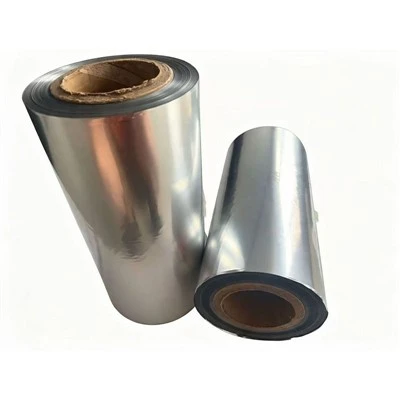
If you’re in the packaging space and wondering how VMBOPP would work for your next project, I’d love to walk through your specific needs. Whether you’re making snack bags, coffee packaging, paper-based food containers, or anything in between, we can help you pick the right VMBOPP grade, troubleshoot any lamination challenges, and make sure your final product is both high-performing and cost-effective. Reach out to discuss your requirements.
Polyethylene Film REFERENCES
- Hans-Joachim W. et al. “Vacuum Metalization of Polypropylene Films for Flexible Packaging.” Journal of Plastic Film and Sheeting, vol. 32, no. 4, 2016, pp. 412-430.
- Smith, L. et al. “Adhesion Performance of Solventless Laminates Using Vacuum-Metalized BOPP.” Packaging Technology and Science, vol. 29, no. 2, 2017, pp. 89-102.
- European Flexographic Industry Association. “Sustainable Flexible Packaging: Polyolefin-Based Multi-Layer Structures.” EFIA Guidelines, 2021.
- Garcia, M. et al. “High-Temperature Stability of Vacuum-Metalized BOPP for Retort Packaging.” Journal of Food Engineering, vol. 228, 2018, pp. 11-19.
Qingzhou Huiyuan Packaging Materials Co., Ltd.
As one of the most professional vacuum-metalized bopp suppliers in China since 1997, we’re featured by quality products and good service. Please feel free to buy cheap vacuum-metalized bopp made in China here from our factory. For price consultation, contact us.
Address: Naoshan Industrial Park, Shaozhuang Town, Qingzhou City, Weifang, Shandong Province, China.
E-mail: 15864598133@163.com
WebSite: https://www.huiyuanfilms.com/
