Hey everyone, it’s [your brand name] here—your go-to duvet cover squad that’s been helping folks keep their bedding fresh and cozy for years. Today I’m spilling the tea on something we get DMs about constantly: how to get duvet cover stains out. Whether you’re a college kid who spilled energy drinks after an all-nighter, a parent whose kid’s sippy cup leaked on the comforter, or just someone who’s still figuring out that red wine mishap from last weekend—we’ve all been there. And let’s be real, duvet covers take way more wear than people give ’em credit for. They catch crumbs, sweat, pet dander, random food splatters… so knowing how to handle stains right isn’t just a “nice to have”—it’s essential if you want your cover to last, right? Duvet Cover

First off, let’s get one thing straight: not all stains are created equal. Y’know how you wouldn’t use a harsh scrub on a silk scarf? Same logic applies here. The duvet covers we sell are made with all sorts of fabrics—cotton, linen, microfiber, even those soft sateen blends—so a one-size-fits-all trick? That’s gonna backfire. We’ve had customers come to us panicking because they used bleach on their linen cover and now it’s yellow as a banana. Oops. So before we jump into step-by-steps, let’s chat about prepping the space, because that’s half the battle.
When a stain hits—act fast. I know, I know, sometimes you just wanna flop onto the couch and forget it happened. But if you can grab a clean cloth (not a paper towel, those leave lint behind) and dab the stain immediately, you’re already 50% ahead. Never rub—rubbing pushes the stain deeper into the fabric fibers, and that’s how it becomes permanent. Trust us, we’ve seen way too many covers ruined by hard rubbing. For fresh stains, just blot gently, like you’re patting a friend on the back to comfort ’em. If the stain’s already dried? Don’t freak. We’ll cover that too. Also, check the care label first—most of our duvet covers have a gentle cycle cold wash note, so hot water is usually a no-go for stains. Hot water sets protein stains (like sweat, blood, or baby formula) right in, which is the last thing you want. Pro tip: if your label says “dry clean only,” still check for stain hacks first, but maybe skip the at-home heavy stuff unless it’s a super mild mark.
Now, let’s break down the most common stains people hit us with, and exactly how to handle each.
First up: food & drink stains. Think red wine, coffee, sauce, chocolate, that matcha latte you spilled on yourself during a morning rush. For red wine, my go-to hack is club soda—wait, no, sparkling club soda, not flat. Pour a little onto the stain right when it happens, blot, and repeat until the stain lifts. If it’s dry red wine? Mix a tablespoon of dish soap (the gentle, non-antibacterial kind, not your heavy-duty kitchen soap) with two cups of cold water, dab it on, let it sit 10 minutes, then wash on gentle. For coffee or tea, same deal—fresh stain = cold water dab, dry stain = a little baking soda paste (mix baking soda with water till it’s spreadable), leave it 15 minutes, brush off, then wash. Chocolate’s tricky ’cause it’s oily. Fresh: scrape off any excess with a butter knife first (again, no rubbing), then use a little dish soap on the spot, blot, wash. Dry chocolate? Same paste trick, maybe add a tiny bit of white vinegar to the paste to cut the grease. And for pasta sauce? It’s got tomatoes, which are acidic. Fresh: dab with cold water, a drop of dish soap. Dry: soak the stain in warm (not hot!) water with a little laundry detergent for 30 minutes before washing.
Next, the ickier ones: pet stains, sweat, and blood. Let’s be real, if you’re a pet parent, your duvet cover has probably seen a few accidents. For pet urine or poop stains, first scrape off any solid mess, then mix one part white vinegar with two parts cold water, blot, let it sit 5 minutes, then dab with a little baking soda to neutralize odors. Sweat stains are the yellow ones around the neck area—gross, but common. Those come from salt and oils in sweat. Mix equal parts hydrogen peroxide (the 3% stuff you get at the drugstore) and water, dab on the yellow spot, let it sit 10 minutes, then wash. Important: don’t use hydrogen peroxide on colored fabrics unless you test it on a tiny, hidden spot first—like the inside corner of the duvet—’cause it can lighten dyes. For blood, this one’s key: cold water only. Hot water is enemy number one here. Rinse the stain under cold running water until it stops coming out, then dab with a little dish soap, wash right away. If it’s dry blood? Soak in cold water for 30 minutes first, then go in with the soap.
Then there are the weird random stains: ink, makeup, grass. Ink is a pain, but not impossible. Fresh ink: dab with rubbing alcohol (70% isopropyl works best), keep dabbing until the ink transfers to the cloth instead of the duvet. Dry ink? You might need to use a little nail polish remover (non-acetone, or acetone on a hidden spot first!) but go super gentle. Makeup, like foundation or mascara: again, it’s oily. Scrape off excess first, then use a tiny bit of dish soap or even a makeup remover wipe (the gentle kind, not the heavy oil ones) on the spot, blot, wash. Grass stains: those green ones from hanging out in the backyard. Fresh: cold water + a little laundry stain remover (the enzyme kind, not the bleach-based one). Dry: soak in warm water with a little enzyme detergent for an hour before washing. Enzymes are your friend for organic stains—they break down the gunk, way better than regular detergent.
Wait, let’s talk about mistakes to avoid, ’cause we see these all the time. First: don’t use bleach unless your duvet cover is explicitly white and the care label says it’s safe. Bleach turns colored fabric yellow and can ruin soft fibers like linen or sateen. Second: don’t put a stained cover in the dryer until the stain is gone. Dryer heat sets stains permanently. If you put a stained cover in the dryer and the stain doesn’t come out, you’re basically stuck with it forever. That’s the worst, right? Third: don’t over-soap. Too much detergent leaves a residue that can make your duvet cover feel scratchy and attract more stains. Stick to the amount on the bottle, maybe a little less for gentle cycles.
Now, let’s tie this back to why this matters for you, especially if you’re looking for a duvet cover that’s built to handle life. The covers we sell are made with durable, yet soft fabrics that hold up to stain treatments, but let’s be clear—no fabric is stain-proof. That’s why knowing how to treat stains right keeps your cover looking new longer. We’ve had customers tell us that their duvet cover from our line still looks like the day they bought it, even after three years of kid spills and pet snuggles—part of that is the fabric, part of that is knowing these little hacks.
If you’re in the market for a new duvet cover, or just want to upgrade to one that’s easy to clean and built to last, we’re here. We make duvet covers in all sizes—twin, full, queen, king—and tons of fabrics so you can pick the one that fits your lifestyle, whether you’re a pet parent, a busy student, or someone who just loves soft bedding. We’re all about making bedding that works for real life, not just perfect Instagram photos.
So if you have questions about stain treatment for your current duvet cover, or want to chat about which of our duvet covers would be best for your needs, hit us up. We’re here to help. No pushy sales stuff—just folks who love bedding and want to see your space feel cozy and fresh.
Wait, one last quick tip: for general upkeep, wash your duvet cover every 1-2 weeks, or more often if you have pets, kids, or sweat a lot. Fresh bedding = less chance of stains setting in, and your duvet (the inside part) stays cleaner too.
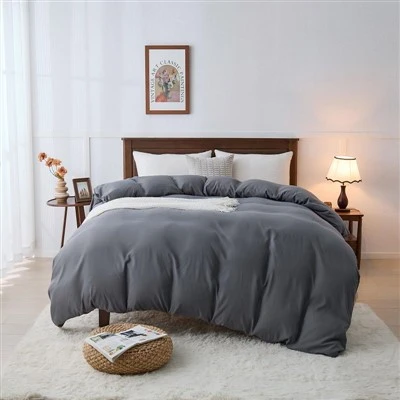
That’s it for the stain hack rundown! Whether you’ve got a fresh mess or a stubborn old mark, remember: act fast, don’t rub, know your fabric, and skip the dryer until it’s clean. If you need more help, just reach out to us. We’re always down to troubleshoot.
Fiber Quilt REFERENCES
The Wool & Water Book of Stain Removal
American Cleaning Institute Fabric Care Guide
Textile Institute of Applied Science: Stain Treatment Guidelines for Domestic Bedding
Better Homes & Gardens Home Care Hacks for Bedding Maintenance
Hangzhou Ruiyi Home Products Co., Ltd.
With abundant experience, we are one of the most professional duvet cover manufacturers and suppliers in China. We warmly welcome you to wholesale customized duvet cover at competitive price from our factory. If you have any enquiry about cooperation, please feel free to email us.
Address: No.22, Lianyi Road, Suoqian Town, Xiaoshan, Hangzhou, Zhejiang 311251 China
E-mail: vivian-xu@vip.163.com
WebSite: https://www.ryhometextile.com/
