When you’re building a custom heat sink, you can’t just pick the right material and shape and call it a day. The surface finish you choose directly impacts how well it dissipates heat, holds up over time, and even fits into your specific product—whether that’s a gaming PC graphics card, a compact EV inverter, or a medical device that needs to last a decade. As a custom heat sink supplier, I’ve seen way too many clients underestimate this part, only to run into issues like overheating, corrosion, or bad thermal paste adhesion down the line. So let’s break down the most common surface finishes we offer, what they’re good for, and when you should go for each one. Custom Heat Sinks
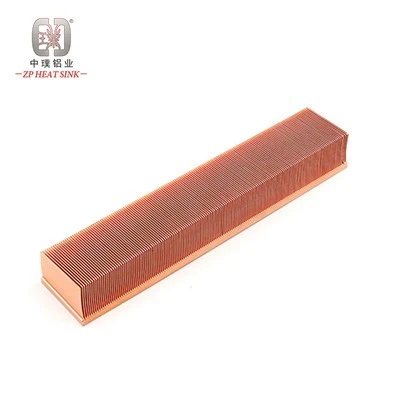
First, let’s start with the basics: surface finishes aren’t just “cosmetic”—they’re functional. The main goal is to improve thermal performance, protect the heat sink from wear and corrosion, and make it easier to install (or, in some cases, prevent things from sticking when you don’t want them to). Most of our heat sinks are made from aluminum or copper, two metals that are great at conducting heat but have their own flaws—aluminum softens a bit at high temps, and copper oxidizes fast, which kills thermal transfer. A good finish fixes those without adding too much extra bulk (we all know heat sinks have tight space limits these days).
Let’s jump into the first big one: un-anodized bare aluminum or copper. You might think, why not just leave it raw? Sometimes that’s the right call, especially if you’re working with a thermal interface material (TIM) like liquid metal. Bare metal has the highest thermal conductivity because there’s no extra layer between the heat sink and your component. But it has downsides: bare aluminum tarnishes pretty quickly, which can build up a thin oxide layer that slows heat transfer. Bare copper is even worse—its natural oxidation forms a dark, flaky patina that’s a nightmare for thermal performance after a few months. We only recommend bare finishes for clients who have a plan to seal the heat sink right away—like if they’re bonding it directly to a cold plate or using a hermetic enclosure that keeps moisture out. Most of the time, though, bare is too high-maintenance for real-world use.
Next, hard coat anodization. This is probably the finish we get asked about most, especially from clients in automotive, aerospace, or industrial electronics. Regular anodization is thin, clear, and mostly for looks, but hard coat is a thick, durable oxide layer that’s way harder than raw aluminum. It’s like armor for the heat sink—it resists scratches, corrosion, and even mild impacts. Wait, but what about thermal performance? A lot of people assume any finish adds thermal resistance, and that’s true, but hard coat is actually pretty good for its thickness. We usually run it at 50 to 80 microns, which is thin enough that the heat penalty is only around 5 to 10%—way less than a lot of other protective coatings. One big perk: hard coat is electrically insulating. That’s a game-changer if your heat sink is sitting close to sensitive circuit boards or high-voltage components. No more risk of short circuits from accidental contact. The only catch? It’s only for aluminum heat sinks—copper doesn’t anodize well, so if you’re working with copper, you’ll need a different route.
Then there’s clear anodization, which is the softer, thinner cousin of hard coat. It’s only about 5 to 20 microns thick, so it barely adds any thermal resistance—like less than 2%. It protects aluminum from minor tarnish without hiding the natural silver color of the metal. We suggest clear anodization for consumer electronics, like gaming laptops or desktop coolers, where you don’t want to alter the look of the heat sink but still need a little protection against fingerprints and light moisture. It’s not as tough as hard coat, so it’ll scratch easier, but for most low-stress consumer applications, it’s perfect.
Now, if copper is your material (and a lot of clients love copper for its higher thermal conductivity), what finishes do we use? Electroplated nickel is the top pick here. Nickel coats the copper to prevent oxidation, and it’s super smooth—great for when you’re applying thermal paste, since it creates a flat, even surface that helps the TIM spread evenly. We usually do a 5 to 15 micron nickel plate, which is thin enough that it barely affects heat transfer, but thick enough to keep copper from turning into that crumbly oxide mess. Nickel is also tough, so it holds up well during installation, and it’s corrosion-resistant too. The downside? It’s a bit more expensive than anodization, and it has a slightly dull, silvery look, not the shiny chrome some people expect. We also offer black nickel, which is just nickel with a dark tint, if you’re looking for a specific aesthetic without sacrificing performance.
Another copper-friendly finish: tin plating. Tin is cheaper than nickel, so if you’re on a tight budget, it’s a decent option. It’s also corrosion-resistant, but it’s softer than nickel, so it scratches easier. Big warning here: never use tin plating if you’re working with liquid metal as a TIM. Liquid metal reacts with tin, forming a brittle intermetallic layer that kills thermal performance fast. We see this mistake all the time—clients order tin-plated copper heat sinks with liquid metal, and their overheating issues come back within a few weeks. So if liquid metal is on your bill of materials, skip tin, go with nickel.
Then there’s powder coating, which is a finish you might associate with metal frames, but it works great for heat sinks too. Powder coating is a dry powder applied electrostatically, then baked on, creating a thick, durable layer that comes in every color under the sun. Wait, but does it mess with thermal performance? That’s the big question. Regular powder coating is about 50 to 100 microns thick, so it adds a noticeable thermal resistance—usually around 0.1 to 0.2 °C-in²/W. That might not sound like much, but if you’re pushing a lot of heat (like in a server rack or a high-power LED array), that extra resistance can make your component run 5 to 10 °C hotter, which cuts its lifespan. That said, we have a special thin-film powder coating we use for heat-sensitive applications—it’s only 10 to 20 microns thick, so the thermal penalty is under 2%, almost the same as anodization. The thin stuff is perfect if you want a colored finish (like white for LED heat sinks, which helps with light reflection) but still need good thermal transfer. Just don’t go with the thick, cheap powder coating for anything performance-critical.
Let’s not forget about electroless nickel-phosphorus plating, which is a step up from regular nickel plating. It’s more uniform, so it’s great for complex heat sink shapes, like ones with thin fins or tiny holes, where regular electroplated nickel might be uneven. It’s also harder, more corrosion-resistant, and has a very flat surface. Clients working with high-precision equipment, like medical devices or aerospace parts, love this one because it meets strict purity standards and has consistent properties across the entire heat sink. The only downside? It’s pricier than standard nickel, so we reserve it for applications where precision is non-negotiable.
There’s also a finish called plasma electrolytic oxidation (PEO), which we see more of lately, especially for aluminum heat sinks used in harsh environments. PEO creates a ceramic-like layer that’s way thicker than hard coat anodization—up to 200 microns in some cases. It’s super hard, corrosion-resistant, and even works on alloys that don’t anodize well. The thermal penalty? Slightly higher than hard coat, around 10 to 15%, but it’s worth it for clients in marine or outdoor industrial settings where salt spray or extreme temperatures are a problem. It’s also electrically insulating, so same as hard coat, but better for tough conditions.
Wait, what about thermal greases or oils used as finishes? No, that’s not a surface finish—those are TIMs, and they’re applied after the heat sink is made. I get a lot of clients mixing that up. Let’s also talk about something called bare copper with a tin oxide or black oxide treatment. Black oxide is a thin, chemical coating that turns copper dark, prevents oxidation, and is super cheap. It’s only about 1 micron thick, so thermal performance is almost untouched. But it’s soft, so it scratches easily, and it’s not great for long-term corrosion resistance. We use it for low-heat, indoor applications where cost is king—like small consumer cooling fans for low-power devices.
Now, how do you pick the right one for your custom heat sink? Let’s run through a quick checklist. First, what’s your material? If it’s aluminum, hard coat or clear anodization are your go-tos. If it’s copper, nickel plating (standard or electroless) is almost always the right call. Second, what’s your environment? If it’s outdoor, marine, or industrial with lots of moisture or chemicals, hard coat, PEO, or electroless nickel are better than basic clear anodization. If it’s a consumer product, clear anodization or thin powder coating will work. Third, what’s your TIM? If you’re using liquid metal, skip tin plating—go with nickel. If you’re using thermal paste, almost any finish will work, but a smooth nickel or anodized surface will let the paste spread better, reducing air gaps. Fourth, do you need color? If you’re building an LED light, white thin powder coating is perfect because it reflects light. If you’re building a gaming PC, black or dark gray powder coat looks sleek. If color doesn’t matter, stick to the functional finishes.
I’ve seen a lot of clients overcomplicate this. A few years back, we had a customer who built a custom heat sink for a solar inverter. They went with a thick, cheap powder coat to save money, not realizing that the extra thermal resistance made their inverter run 12 °C hotter, cutting its lifespan by half. They ended up reworking all the heat sinks with hard coat anodization, which cost a bit more upfront but saved them thousands in replacement costs. Another client, a medical device maker, needed a heat sink that wouldn’t corrode in a hospital’s humid environment. We used electroless nickel-phosphorus plating, and it’s held up perfectly for 5 years, no issues.
As a custom heat sink supplier, our job isn’t just to sell you a heat sink—it’s to help you pick the finish that fits your specific needs, not just the cheapest or shiniest one. A lot of finish options have trade-offs, and it’s easy to miss the small details that make a big difference. For example, if you’re working on a space satellite, you might need a finish that’s outgassed (meaning it won’t release chemicals in the vacuum of space that can damage optics). We offer specially formulated anodization and nickel plating that meet NASA’s outgassing standards for those applications.
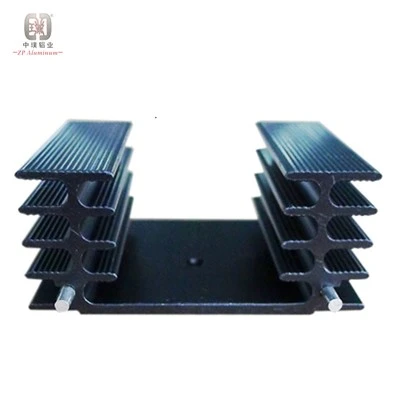
If you’re still not sure which finish is right for your custom heat sink, don’t overthink it. We’ve worked with every kind of application from tiny wearables to heavy industrial machinery, and we can walk you through the pros and cons of each option, plus calculate the thermal impact so you can make the best call for your design. Whether you need a tough hard coat for a military device, a smooth nickel plate for a gaming GPU, or a colored thin powder coat for an LED, we’ve got you covered. Reach out to our team to discuss your heat sink requirements, and we’ll help you pick the perfect surface finish to get the performance, durability, and look you need.
Electronics Heat Sinks References
- ASM International. (2005). Surface Engineering for Heat Exchangers and Heat Sinks. Materials Park, OH: ASM International.
- Serope Kalpakjian, Steven R. Schmid. (2020). Manufacturing Processes for Engineering Materials (7th ed.). Pearson Education.
- Heat Sink Association. (2022). Best Practices for Surface Finishes in Thermal Management. Technical Report HS-TR-2022-01.
ZP Aluminum Co., Ltd.
As one of the most experienced custom heat sinks manufacturers and suppliers in China, we also support customized service. We warmly welcome you to wholesale advanced custom heat sinks at competitive price from our factory. If you have any enquiry about free sample, please feel free to email us.
Address: Leping Industrial Zone, Sanshui District, Foshan, Guangdong, China
E-mail: op-wei@zp-aluminum.com
WebSite: https://www.zp-heatsinks.com/
