If you’ve ever stood next to a pipe system and watched a quarter-turn lever swing a valve completely open or closed, chances are you’ve encountered a ball valve. For over a century, these devices have been a staple in industrial, commercial, and residential fluid handling, but I still hear pushback sometimes from folks who stick to old gate or globe valves for water systems. As a ball valve supplier who’s worked directly with plumbers, municipal engineers, and small business owners for the past 12 years, I’ve seen firsthand how ball valves fit (and sometimes don’t fit) into water systems—and I’m here to break that down without the jargon you’d find in a textbook. Ball Valves
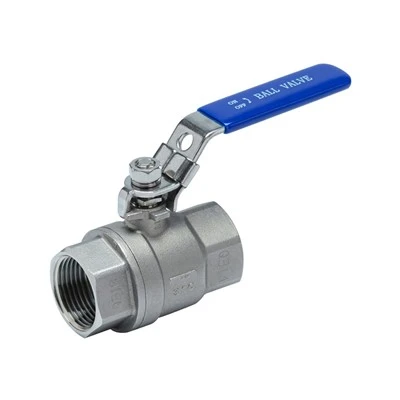
First, let’s start with the basics of how a ball valve works. Unlike gate valves, which slide a wedge-shaped gate up and down to control flow, or globe valves, which use a disc to seat against a ring, a ball valve has a hollow, perforated metal (usually brass, stainless steel, or PVC for residential use) sphere inside the pipe. Turn the lever 90 degrees, and the hole in the ball lines up with the pipe—flow is wide open. Turn it another 90, and the ball blocks the pipe completely. It’s that simple, and that’s where a lot of its advantages come from for water systems.
When I first got into the valve supply business, I watched a plumber on a residential remodel job swap a gate valve for a ball valve in 10 minutes flat. The old gate valve had seized up after 15 years of use, and the plumber had spent 20 minutes fighting to loosen its rusted stem before even cutting into the pipe. The ball valve he installed that day? We’d sold him a brass one with a full port, and three years later he sent another crewmate to pick up 12 more for a commercial office building’s plumbing upgrade. That’s the kind of repeat business that makes me trust ball valves for water: reliability over time.
Water systems, whether they’re for a 10-unit apartment building or a municipal water treatment plant, depend on valves that handle consistent flow without dropping pressure more than necessary. Full-port ball valves—where the hole in the ball is the same diameter as the pipe—let water move through with almost no resistance, which is a big win compared to gate valves that can narrow the flow path by up to 25% when fully open. I’ve had municipal water engineers tell me that for main line shut-off valves, full-port ball valves cut pumping costs by 10-15% annually, because you don’t have to work as hard to push water through a constricted pipe. That adds up fast for systems that run 24/7.
Durability is another reason ball valves shine in water systems, especially when you account for the water itself. Tap water often has trace minerals—calcium, magnesium, sometimes small amounts of sediment—that can wear down internal parts of valves over time. Ball valves have far fewer moving parts than gate or globe valves: just the ball, a stem, and two seats that hold the ball in place. There’s no stem packing that can harden and leak, no gate that can bend or break, no disc that can erode away. I once supplied stainless steel ball valves for a well system in a rural area where the water had high iron content. The customer told me five years later that the valves had never needed maintenance, whereas the old globe valves he’d used before were getting replaced every two years due to eroded discs from the iron.
Of course, no valve is perfect, and ball valves have specific trade-offs to consider for water systems—ones I always make sure to walk through with a customer before they order. First, ball valves aren’t the best for “throttling” flow. If you need to adjust how much water is flowing, a globe valve is designed for that, since its disc can be positioned partially open. Turn a ball valve to half open, and you’re asking for trouble: the water will swirl around the partially open ball, causing turbulence, which can wear the ball and seats faster over time. I always tell folks: if it’s a shut-off valve, or a valve that only ever needs to be fully open or fully closed, a ball valve is ideal. If it’s a valve for adjusting flow, you’ll want to pair a ball valve with a separate flow control device, or pick a valve designed for throttling (though those are less common for standard water systems).
Another common concern is cost. At first glance, a ball valve can be 20-30% more expensive than a basic gate valve for the same pipe size. But over time, that cost evens out—or beats out gate valves—because of less maintenance, longer lifespan, and lower pumping costs. I’ve seen customers who initially balked at the price come back a year later to order 50 more valves after their old gate valves started seizing, forcing them to shut down parts of their system for emergency repairs. For a small shop, that emergency repair time can cost more than the extra 20% they spent on the ball valves upfront.
Material choice is also critical for water systems, and that’s where the right ball valve matters most. For residential applications, brass ball valves are the go-to: they’re corrosion-resistant, affordable, and compatible with standard copper and PEX piping. But for systems with aggressive water—like well water with high acidity or mineral content—stainless steel ball valves are a better pick. I once had a customer in a mining town where the tap water had a pH of 5.2 (pretty acidic) come to me after his brass valves had corroded through in 18 months. Stainless steel valves, I supplied him, lasted over 7 years before he had to replace any, and even those were just minor seat replacements, not full valve swaps. PVC ball valves are another option for residential and light commercial systems; they’re lightweight, cheap, and resistant to most chemicals, so they’re great for drain-waste-vent lines or cold water supply lines.
One area where ball valves have really improved in recent years is in compact designs, which is a big win for water systems with tight spaces—like under kitchen sinks or inside the small utility closets of apartment buildings. Early ball valves were bulkier than gate valves, but now you can get mini ball valves that are the same size as a standard gate valve, making them easy to retrofit into existing plumbing without having to rework the pipe layout. I’ve had plumbers tell me that mini ball valves cut their installation time in half for under-sink shut-offs, because they don’t have to maneuver a big bulky valve into a small space.
I also get asked a lot about ball valves and water hammer—the sudden pressure spike in pipes when a valve closes quickly. That’s a legitimate concern, because water hammer can damage pipes, fixtures, and even valve internals. Ball valves close fast, which can make water hammer worse if the system isn’t set up with air chambers or water hammer arresters. But here’s the thing: that issue isn’t unique to ball valves. Gate valves close even faster, and globe valves often have a slower close, but they can still cause water hammer if the system doesn’t have the right protections. I always advise customers installing ball valves to add a water hammer arrester to the line, regardless of valve type—it’s a cheap add-on that prevents damage, and it works just as well with ball valves as with any other valve.
Let me also talk about long-term reliability, which is something I see daily. Last year, a school district reached out to me to replace 120 gate valves in their building’s sprinkler system. The gate valves had seized up after 10 years, so the district had to shut down half the sprinklers during a dry spell, which risked plant damage. We supplied them with full-port brass ball valves, and the maintenance manager told me six months later that he’d tested a few valves for shut-off, and every single one worked on the first try, no rust or seizing. That’s the kind of track record that makes me confident in ball valves for water systems. They don’t have the sliding parts that can get gummed up with sediment or rust, so even if a system sits idle for a few months—like a vacation home’s water line over winter—you don’t come back to a seized valve when you need it.
Now, it’s not all gate valves vs. ball valves. Some systems actually work best with a mix. A residential plumbing system might use a gate valve for the main line shut-off (though I’d argue a full-port ball valve is better) and smaller ball valves for fixture shut-offs under sinks. A commercial building might use ball valves for all shut-off points, and a globe valve for a small line that needs flow adjustment. The key is matching the valve to its job, not just picking one type and sticking with it for every part of the system.
If you’re a homeowner wondering if ball valves are right for your home, let me break it down simply: if you’re replacing a old valve that seizes up every few years, or if you want to lower your home’s water heating costs (since a full-port ball valve cuts down on pressure loss), a ball valve is a great upgrade. They’re easy to install—many plumbers can swap one out in 15 minutes—and they come in sizes from 1/4 inch for a toilet shut-off up to 6 inches for a main line, so there’s a size for almost every water system part.
For commercial or municipal users, the math is even clearer. The cost of a ball valve is recouped in less than two years in reduced maintenance and pumping costs, and they eliminate the emergency shutdowns that can cost thousands of dollars. I’ve seen a restaurant owner spend $5,000 on emergency repairs because a old gate valve on their ice machine line seized, whereas if they’d installed a $100 ball valve, that repair would never have been needed.
I’ve been in this business long enough to know that every customer’s system is different, so I never push ball valves as the one-size-fits-all solution. But I do push them as a top contender for most water system applications—residential, commercial, industrial, and municipal—when you prioritize reliability, low maintenance, and pressure efficiency. The common mistakes I see are people writing off ball valves because of a bad experience with a cheap, low-quality valve, not a properly sized, high-quality one. A $5 ball valve from a big box store is going to corrode or seize quickly, but a brass or stainless steel ball valve from a reputable supplier (like mine) is built to last decades.
If you’re looking to upgrade valves in your water system, or if you’re planning a new build and want to pick the right valves for your needs, I’m here to walk through the details. Whether you need a small valve for a kitchen sink, a large valve for a main line, or advice on mixing valve types for different parts of your system, I can help you pick the right product that fits your budget and your system’s needs.
For more information on selecting valves for water systems, or to discuss your specific requirements, feel free to reach out to discuss your project.
Castings References
- Karassik, I. J., Messina, J. P., Cooper, P., & Heald, C. C. (Eds.). Pump Handbook, 4th Edition. McGraw-Hill, 2007.
- American Water Works Association. Valves for Water Systems: Selection, Installation, and Maintenance. AWWA Manual M11, 2019.
- Valve Manufacturers Association of America. Ball Valves: Application Guidelines for Potable Water Systems. VMA Technical Report TR-004, 2021.
- Plumber’s Code of Practice (Residential Water Systems). International Association of Plumbing and Mechanical Officials, 2020.
- National Fire Protection Association. Water-Based Fire Protection Systems, 10th Edition. NFPA 13, 2022.
United Brothers Metal Products Co., Ltd.
United Brothers Metal Products Co., Ltd. is one of the most professional ball valves manufacturers and suppliers in Vietnam. We are committed to providing high quality customized products with competitive price. Please feel free to buy bulk durable ball valves in stock here from our factory. Also, pricelist is available.
Address: Lot 61c2, 99a, 99b Long Giang Industrial Park, Tan Phuoc 3 Commune, Dong Thap Province, Vietnam
E-mail: sales@ubfittings.com
WebSite: https://www.ubvalves.com/
