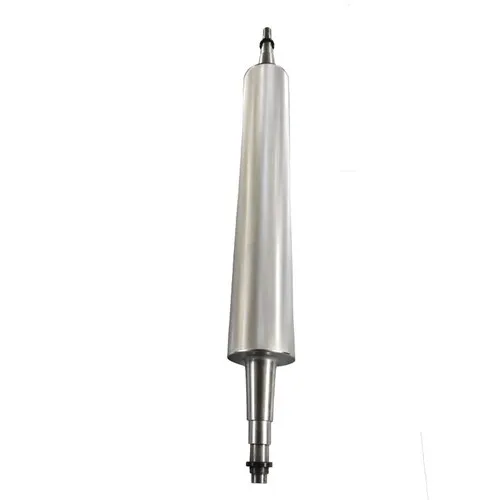
In the modern industrial landscape, the use of ultrasonic cleaning machines for rollers has become increasingly prevalent. As a supplier of these specialized cleaning machines, I am acutely aware of both the benefits they offer and the environmental implications associated with their use. This blog post aims to delve deep into the environmental impacts of using an ultrasonic cleaning machine for rollers, exploring both the positive and negative aspects. Ultrasonic Cleaning Machine For Rollers
I. Positive Environmental Impacts
A. Reduced Chemical Usage
One of the most significant environmental advantages of using an ultrasonic cleaning machine for rollers is the substantial reduction in the need for harsh chemical cleaners. Traditional cleaning methods often rely on large quantities of solvents and detergents that can be harmful to the environment. These chemicals can contaminate water sources, soil, and air when they are improperly disposed of or released during the cleaning process.
Ultrasonic cleaning, on the other hand, uses high – frequency sound waves to create microscopic bubbles in a cleaning solution. These bubbles implode upon contact with the surface of the rollers, dislodging dirt, grease, and other contaminants. The cleaning solution used in ultrasonic cleaning can be a simple, environmentally friendly water – based solution in many cases. This means that the amount of toxic chemicals released into the environment is significantly reduced, leading to a lower overall environmental footprint.
B. Water Conservation
Another positive aspect of ultrasonic cleaning machines is their potential for water conservation. Unlike some traditional cleaning methods that require a continuous flow of water to rinse and clean the rollers, ultrasonic cleaning machines operate in a closed – loop system. The water in the cleaning tank can be reused multiple times after being filtered to remove the contaminants.
This recycling of water not only reduces the overall water consumption but also minimizes the amount of wastewater generated. Wastewater treatment is an energy – intensive and costly process, and by reducing the volume of wastewater, ultrasonic cleaning machines contribute to a more sustainable approach to industrial cleaning.
C. Energy Efficiency
Newer models of ultrasonic cleaning machines for rollers are designed with energy – efficient features. The ultrasonic generators are engineered to convert electrical energy into ultrasonic waves with high efficiency. Additionally, the process of ultrasonic cleaning can be completed relatively quickly compared to some traditional cleaning methods, which means that the machine needs to be powered for a shorter period.
Moreover, since ultrasonic cleaning can be carried out at lower temperatures in many cases, it further reduces the energy required for heating the cleaning solution. This energy efficiency not only saves costs for the end – user but also reduces the demand for electricity, which in turn can reduce the environmental impact associated with power generation.
II. Negative Environmental Impacts
A. Energy Consumption in the Manufacturing Process
While ultrasonic cleaning machines offer energy – efficient operation, the manufacturing process of these machines can have a significant environmental impact. The production of the various components such as the ultrasonic generators, tanks, and electronic controls requires the extraction of raw materials, which often involves mining and refining processes. These processes can lead to habitat destruction, soil erosion, and water pollution.
Furthermore, the assembly of these components in factories consumes a large amount of energy, mainly in the form of electricity and heat. The carbon emissions associated with the manufacturing process contribute to climate change and other environmental problems.
B. Waste Generation
Over time, ultrasonic cleaning machines for rollers will reach the end of their useful lives. When this happens, they become electronic waste (e – waste). E – waste contains a variety of hazardous materials such as lead, mercury, and cadmium, which can leach into the environment if not properly disposed of.
In addition, the cleaning solutions used in ultrasonic cleaning machines, even if they are water – based, will eventually become contaminated with the dirt and grease removed from the rollers. These contaminated solutions need to be properly treated and disposed of to prevent environmental pollution. If not managed correctly, they can contaminate water sources and soil.
C. Noise Pollution
Ultrasonic cleaning machines generate a certain amount of noise during operation. Although the ultrasonic waves themselves are not audible to the human ear, the generator and other mechanical components of the machine can produce a significant amount of noise. Prolonged exposure to high – level noise can have a negative impact on the health of workers in the vicinity of the machines, as well as on the local environment if the noise is not properly controlled.
III. Mitigating the Negative Environmental Impacts
A. Sustainable Manufacturing Practices
As a supplier of ultrasonic cleaning machines for rollers, we are committed to implementing sustainable manufacturing practices. This includes sourcing raw materials from suppliers who adhere to strict environmental standards, reducing waste during the manufacturing process through recycling and reuse initiatives, and improving the energy efficiency of our production facilities.
For example, we can use recycled metals in the construction of the machine frames and tanks, which not only reduces the demand for virgin materials but also decreases the energy required for metal extraction and refining.
B. Proper End – of – Life Management
To address the issue of e – waste, we provide guidelines to our customers on how to properly recycle and dispose of our ultrasonic cleaning machines at the end of their useful lives. We also work with recycling partners who have the expertise and equipment to safely extract and recycle the valuable and hazardous materials from the machines.
Regarding the disposal of contaminated cleaning solutions, we can offer on – site wastewater treatment options or recommend third – party treatment facilities that can handle the waste in an environmentally friendly manner.
C. Noise Reduction Measures
To minimize noise pollution, we design our ultrasonic cleaning machines with noise – reducing features. This can include using sound – insulating materials in the construction of the machine cabinets and optimizing the design of the mechanical components to reduce vibration and noise generation. We also provide our customers with information on proper installation and operation of the machines to further reduce noise levels.
IV. Conclusion
In conclusion, the use of ultrasonic cleaning machines for rollers has both positive and negative environmental impacts. On the one hand, they offer significant benefits such as reduced chemical usage, water conservation, and energy – efficient operation. On the other hand, the manufacturing process, waste generation, and noise pollution associated with these machines pose environmental challenges.
As a supplier, we have a responsibility to minimize the negative environmental impacts while maximizing the positive ones. By implementing sustainable manufacturing practices, providing proper end – of – life management solutions, and taking steps to reduce noise pollution, we can ensure that our ultrasonic cleaning machines for rollers are not only effective but also environmentally friendly.
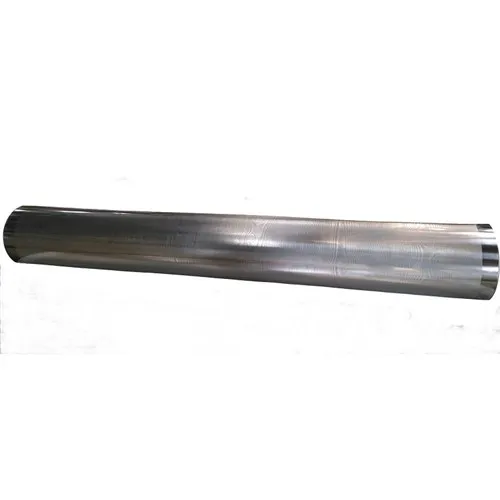
Ceramic Anilox Roller If you are considering investing in an ultrasonic cleaning machine for your rollers, we invite you to reach out to us for a detailed discussion. Our team of experts can provide you with more information on the environmental performance of our machines, as well as how they can meet your specific cleaning needs. We look forward to the opportunity to partner with you and contribute to a more sustainable industrial cleaning future.
References
- ASM Handbook Committee. (1991). ASM Handbook Volume 5: Surface Engineering. ASM International.
- Schramm, F. (2000). Handbook of Ultrasonics and Sonochemistry. John Wiley & Sons.
- European Union. (2012). Directive 2012/19/EU on waste electrical and electronic equipment (WEEE).
Address: No. 1093, B Zone, No. 2 Xugongqiao Rd, Huaqiao Town, Kunshan City, Suzhou, Jiangsu, China
E-mail: info@kshhroller.com
WebSite: https://www.kshh-roller.com/
