Ventilation Requirements for a Horizontal Machining Center Horizontal Machining Center
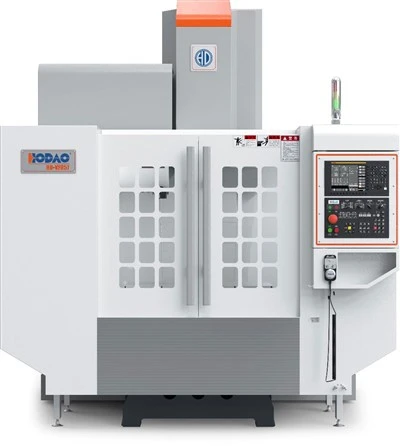
As a supplier of horizontal machining centers, I understand the crucial role that proper ventilation plays in ensuring the efficient and safe operation of these sophisticated pieces of equipment. In this blog, I will delve into the specific ventilation requirements for a horizontal machining center, explaining why they are essential and how to meet them.
Why Ventilation is Essential
Before we discuss the specific requirements, let’s first understand why ventilation is so important for a horizontal machining center. These machines generate a significant amount of heat, dust, and mist during operation. Without adequate ventilation, these pollutants can accumulate in the workspace, leading to a range of problems.
Heat is a natural byproduct of the machining process. The cutting tools generate heat as they remove material from the workpiece, and the motors and other components of the machine also produce heat during operation. If this heat is not properly dissipated, it can cause the machine to overheat, leading to premature wear and tear on the components and potentially reducing the lifespan of the machine. Additionally, high temperatures can affect the accuracy of the machining process, as the heat can cause the workpiece and the cutting tools to expand and contract, leading to dimensional inaccuracies.
Dust and mist are also generated during the machining process. The cutting tools create fine particles of metal and other materials as they remove material from the workpiece, and coolant and lubricants can also form a mist as they are sprayed onto the cutting area. These particles and mists can be harmful to the health of the operators if inhaled, and they can also accumulate on the machine components, leading to increased wear and tear and potentially causing malfunctions.
Proper ventilation helps to remove the heat, dust, and mist from the workspace, creating a safer and more comfortable environment for the operators. It also helps to extend the lifespan of the machine and improve the accuracy of the machining process.
Ventilation Requirements
The ventilation requirements for a horizontal machining center depend on several factors, including the size of the machine, the type of machining operations being performed, the coolant and lubricant used, and the size of the workspace. Here are some general guidelines to follow:
Air Exchange Rate
The air exchange rate is the number of times the air in the workspace is completely replaced with fresh air in a given period of time. A higher air exchange rate is generally better, as it helps to remove the heat, dust, and mist more effectively. For a horizontal machining center, a recommended air exchange rate is between 6 and 10 air changes per hour.
To calculate the required air exchange rate, you need to know the volume of the workspace. Measure the length, width, and height of the workspace in feet or meters, and then multiply these values together to get the volume in cubic feet or cubic meters. Once you have the volume, multiply it by the desired air exchange rate to get the required airflow rate in cubic feet per minute (CFM) or cubic meters per hour (m³/h).
For example, if the workspace has a volume of 10,000 cubic feet and you want an air exchange rate of 8 air changes per hour, the required airflow rate would be:
10,000 cubic feet x 8 air changes per hour = 80,000 cubic feet per hour
80,000 cubic feet per hour ÷ 60 minutes per hour = 1,333 CFM
Exhaust System
An exhaust system is essential for removing the heat, dust, and mist from the workspace. The exhaust system should be designed to capture the pollutants at the source, as close to the machining area as possible. This can be done using a hood or a canopy that is placed over the machining area. The hood or canopy should be large enough to cover the entire machining area and should be connected to the exhaust ductwork.
The exhaust ductwork should be sized appropriately to ensure that the airflow rate is sufficient to remove the pollutants from the workspace. The ductwork should also be made of a material that is resistant to corrosion and abrasion, such as stainless steel or galvanized steel.
The exhaust system should also include a filtration system to remove the dust and mist from the air before it is discharged outside the building. The filtration system should be designed to meet the specific requirements of the machining process, taking into account the size and type of the particles being generated.
Makeup Air
Makeup air is the fresh air that is introduced into the workspace to replace the air that is being exhausted. Without adequate makeup air, the negative pressure created by the exhaust system can cause problems, such as backdrafting of combustion appliances, poor indoor air quality, and uncomfortable working conditions.
The makeup air should be introduced into the workspace at a rate that is equal to or greater than the exhaust airflow rate. The makeup air should also be filtered to remove any dust, pollen, or other pollutants from the outside air before it is introduced into the workspace.
Cooling System
In addition to the exhaust system and the makeup air system, a horizontal machining center may also require a cooling system to dissipate the heat generated by the machine. The cooling system can be either air-cooled or water-cooled, depending on the specific requirements of the machine.
An air-cooled cooling system uses a fan to blow air over the components of the machine to remove the heat. This type of cooling system is relatively simple and inexpensive, but it may not be as effective as a water-cooled system, especially in hot and humid environments.
A water-cooled cooling system uses a coolant to absorb the heat from the components of the machine and then transfers the heat to a cooling tower or a chiller. This type of cooling system is more effective than an air-cooled system, but it is also more complex and expensive.
Meeting the Ventilation Requirements
Meeting the ventilation requirements for a horizontal machining center requires careful planning and design. Here are some steps to follow:
Conduct a Site Assessment
Before installing a horizontal machining center, it is important to conduct a site assessment to determine the specific ventilation requirements of the workspace. The site assessment should include a measurement of the size of the workspace, the location of the machining area, the type of machining operations being performed, and the existing ventilation system.
Design the Ventilation System
Based on the results of the site assessment, a ventilation system should be designed to meet the specific requirements of the horizontal machining center. The ventilation system should include an exhaust system, a makeup air system, and a cooling system, if necessary.
Install the Ventilation System
Once the ventilation system has been designed, it should be installed by a qualified professional. The installation should be done in accordance with the manufacturer’s instructions and local building codes and regulations.
Maintain the Ventilation System
Regular maintenance of the ventilation system is essential to ensure that it continues to operate effectively. The maintenance should include cleaning the filters, inspecting the ductwork for leaks, and checking the operation of the fans and other components.
Conclusion
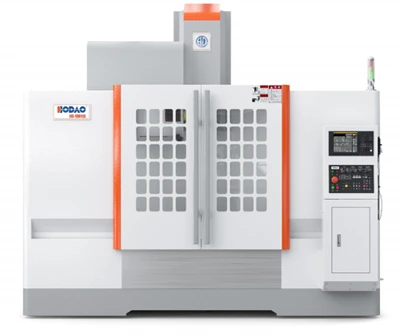
CNC Machining Center Proper ventilation is essential for the efficient and safe operation of a horizontal machining center. By following the guidelines outlined in this blog, you can ensure that your workspace has adequate ventilation to remove the heat, dust, and mist generated by the machine. If you have any questions about the ventilation requirements for a horizontal machining center, or if you need help designing and installing a ventilation system, please contact us. We are a leading supplier of horizontal machining centers and we have the expertise and experience to help you meet your ventilation needs.
References
- American National Standards Institute (ANSI). ANSI B11.19-2016, Safety Requirements for the Design, Construction, and Installation of Machine Tools – Safety Requirements for the Ergonomic Design of Machine Tools.
- American Conference of Governmental Industrial Hygienists (ACGIH). Threshold Limit Values (TLVs) and Biological Exposure Indices (BEIs) for Chemical Substances and Physical Agents and Biological Exposure Indices.
- Occupational Safety and Health Administration (OSHA). 29 CFR 1910.94, Ventilation.
Taizhou Qiyang Trading Co., Ltd.
As one of the most professional horizontal machining center manufacturers and suppliers in China, we’re featured by quality products and good price. Please rest assured to buy bulk horizontal machining center for sale here and get quotation from our factory. Customized orders are welcome.
Address: Zhenhai Village, Binhai Town, Wenling City, Taizhou City, Zhejiang Province
E-mail: qycncmachine@outlook.com
WebSite: https://www.qycncmachine.com/
