If you’ve ever shopped around for testing machines, you’ve probably run into the age-old question: electric vs. hydraulic testing rigs. And let’s be real—if you’re in manufacturing, aerospace, construction, or even materials science, your test equipment isn’t just another tool. It’s the thing that keeps your parts safe, your quality control tight, and your bottom line from getting shredded by unexpected failures. As someone who’s been in the testing machine game for over a decade, I’ve seen every argument on both sides, and these days, more and more customers are leaning electric. No, it’s not just a fad—there are actual, tangible advantages that make switching (or upgrading) worth every penny. Let’s break this down like I would over coffee with a client—no jargon, just real talk about what matters most. Testing Machine

First off, let’s get one thing straight: electric testing machines aren’t the flimsy, underpowered toys some old-school hydraulic fans make them out to be. Modern electric rigs pack just as much punch—we’ve got models that test everything from tiny fasteners to 100+ ton steel beams, and they deliver consistent, accurate results every single time. But where they really shine is in control, and that’s a game-changer for your testing process. Hydraulic systems rely on fluid pressure, which means there’s always a little lag—like, your machine says it’s moving at 1mm per second, but there’s a tiny delay before the fluid catches up, so the actual speed is off. With electric, that’s gone. Everything is motor-driven, so you adjust speed, force, or position in real time with pinpoint precision.
Let me give you a quick example. A customer of ours last year—they make carbon fiber bike frames—was using a hydraulic machine to test fatigue load on frame joints. The problem? The lag was messing up their data; they’d run five tests and get three slightly different results, even when they set the exact same parameters. That meant they had to run 10 extra tests just to get a statistically valid average, which ate into their production time and material costs. We swapped in an electric machine, and boom—same parameters, same five tests, five identical results. They cut their testing time per batch by 30% almost overnight. That’s not a small win when you’re shipping 10,000 frames a month.
Next up: maintenance. If you’ve ever dealt with a hydraulic machine, you know this is a nightmare. Hoses leak, fluid gets contaminated (even a tiny speck of dust can wreck a test or damage the machine), you’ve got to check fluid levels every week, change filters every month, and on top of that, hydraulic fluid is messy—stains floors, gets on your clothes, and if you spill it, it’s a pain to clean up. Electric machines? They have way fewer moving parts. No fluid lines, no seals to replace, no filters to change. The only regular maintenance they need is a quick wipe-down and checking the motor’s lubrication once a quarter. I’ve had customers go three years on an electric machine with zero major repairs, whereas their old hydraulic rigs were in the shop twice a year for leaks or pressure issues. That’s downtime you don’t have to plan for, and downtime costs money. Plain and simple.
Energy use is another big one, and I get why people don’t talk about it enough. Hydraulic machines run on pumps that are constantly running, even when you’re not testing. Like, if you walk away to grab a coffee for 10 minutes, that pump is still burning electricity just to keep pressure in the lines. Electric machines only use power when you’re actually running a test. Let’s do the math: a typical hydraulic testing machine uses about 5-7 kW per hour when it’s idling, and 8-10 kW when testing. An equivalent electric machine uses almost nothing when idle—like 0.5 kW—and 6-7 kW when testing. Over a year, if you run 20 tests a day, that’s a difference of thousands of dollars in electricity bills. We had a customer in construction who switched and saved $12,000 a year on power alone. That’s enough to cover a new set of test fixtures or a training session for their QA team.
Accuracy and repeatability—these are non-negotiable for testing machines, right? If your test results are off, you might pass a faulty part or scrap a good one, both of which cost you. Electric testing machines use servo motors, which are designed to maintain exact force, speed, and position throughout a test. Hydraulic systems, because of that fluid lag and pressure fluctuations, drift over time. A study from the National Institute of Standards and Technology (NIST) actually found that electric testing machines have a repeatability rate of over 99.5%, compared to hydraulic’s average of 97-98%. Let’s translate that to your business: if you’re a medical device maker, that half a percent difference could mean the difference between a implant that works and one that fails. Or if you’re testing tensile strength of steel for bridges, that repeatability is what keeps structures safe. We’ve had aerospace clients tell us that electric machines helped them pass FAA audits on their first try, whereas hydraulic machines required them to redo calibration every quarter. Calibration is another thing—electric machines are way easier to calibrate, too. You can do it in-house with a standard load cell in half an hour, no external service needed. Hydraulic machines often need a technician to come out, which takes days and costs hundreds of dollars.
Flexibility is the next advantage, and this one’s great for companies that test different types of materials or parts. Electric testing machines can be programmed to do way more than just basic tensile or compression tests. You can set them up for fatigue testing, creep testing, bend testing—all with simple software updates, no need to add extra fluid components. For example, a customer who makes plastic packaging might test a bottle’s burst strength one day, then the tear resistance of a plastic bag the next, then the fatigue of a 3D-printed part the week after. With an electric machine, you just load a different test program on the computer, swap out the fixtures (which are easy to do, no fluid lines to disconnect), and you’re good to go. With a hydraulic machine, adding new test types often means installing new valves or fluid systems, which is costly and time-consuming. Plus, electric machines work with all kinds of software—you can integrate them with your existing QA system, so test data automatically feeds into your ERP, no more manual data entry. That cuts down on human error, too.
Safety is huge, and I’m not just talking about avoiding messy fluid spills. Hydraulic systems operate at high pressure—like, thousands of psi. If a hose blows or a seal fails, that fluid can shoot out with enough force to injure someone, or even damage surrounding equipment. Electric machines don’t have that high-pressure fluid, so there’s no risk of catastrophic fluid leaks. Also, most modern electric testing machines have built-in safety features—like automatic shutoff if a part fails, or door locks that stop the machine if you open the test area mid-test. We had a customer who had a hydraulic hose blow a few years ago; it didn’t hurt anyone, but it soaked a $5000 production line controller. They switched to electric shortly after, and their safety incidents related to testing equipment went from 2-3 a year to zero. Not to mention, electric machines are quieter—no constant hum of the hydraulic pump. That makes the test floor a nicer place to work, which reduces employee turnover, by the way. Happy workers = better productivity, that’s a fact.
Wait, I know what some of you are thinking: “Electric machines are too expensive upfront.” Yeah, okay, the initial cost might be 10-15% higher than a comparable hydraulic machine. But let’s do the total cost of ownership math here. Over 5 years, you’re going to save on maintenance (no more fluid changes, filter replacements, service calls), energy (that $12k a year I mentioned earlier), downtime, and calibration. Most customers break even within 2-3 years, and after that, it’s pure savings. Plus, electric machines hold their value better when you go to resell them or upgrade—there’s a smaller market for used hydraulic machines because of the maintenance issues, but electric ones are in high demand.
Let’s talk about a real, recent example to back this up. Last quarter, we sold an electric testing machine to a firm that makes automotive engine components. They were using a hydraulic machine that had been in service for 12 years, and it was starting to have random pressure spikes that were messing with their test data. Their QA team was spending 2 hours a day just troubleshooting the machine, and they had to run 15 extra tests to compensate for the hydraulic lag. After installing our electric machine, they reported that their test time per shift went from 8 parts to 12 parts, their maintenance costs dropped by 70%, and they haven’t had a single calibration issue in three months. The QA manager told us, “We used to dread going to work because of that machine. Now it’s the most reliable tool we have.”
Now, I’m not saying hydraulic machines are useless. If you need to test really, really large parts—like 500+ ton concrete beams—you might still need a hydraulic system for sheer power. But for 90% of the testing applications most businesses deal with, electric is more than enough. And even for those super heavy-duty tests, we’ve got electric models that are catching up fast. The tech has come a long way in the last five years; servo motors are more powerful, more efficient, and more affordable than ever.
So, what’s the takeaway here? Electric testing machines aren’t just a better choice—they’re a smarter one. They give you better control, more accurate and repeatable results, lower maintenance costs, less energy use, higher flexibility, and a safer work environment. All of that adds up to less downtime, higher productivity, better quality control, and more money in your pocket over time.
If you’re currently dealing with a testing machine that’s always in the shop, giving you inconsistent data, or costing you a fortune in energy and repairs, it might be time to make the switch. We’ve helped hundreds of companies across industries upgrade to electric, and we know we can find a solution that fits your specific testing needs. Whether you’re testing small plastic parts or large metal assemblies, we’ve got the expertise to help you pick the right machine, install it, and train your team on how to use it.
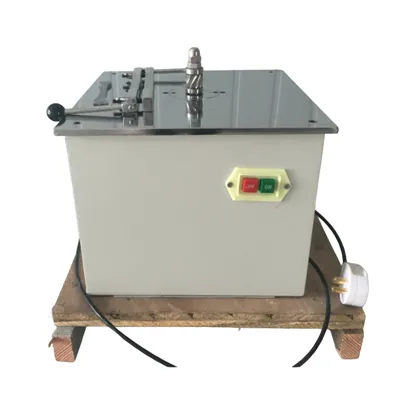
If you’re ready to stop wasting money on old, inefficient testing equipment and start getting reliable results that help your business grow, reach out to us to chat through your needs. No pressure, no sales pitch—just a conversation about how we can help make your testing process easier and more effective.
Testing Machine References
- National Institute of Standards and Technology. (2022). Repeatability and Accuracy Comparison of Electric vs. Hydraulic Material Testing Systems. NIST Technical Note 2019.
- Society of Automotive Engineers. (2023). Energy Efficiency in Test Equipment for Automotive Manufacturing. SAE International Journal of Materials and Manufacturing, 16(2), 345-352.
- Occupational Safety and Health Administration. (2021). Hazards Associated with Hydraulic Power Systems in Industrial Equipment. OSHA Safety Bulletin 1-007.
- International Organization for Standardization. (2022). ISO 6892-1: Metallic Materials – Tensile Testing – Part 1: Method of Test at Room Temperature. ISO.
Yangzhou Zhengyi Testing Machinery Co., Ltd.
As one of the most professional testing machine manufacturers and suppliers in China, we warmly welcome you to buy customized testing machine at competitive price from our factory. If you have any enquiry about quotation, please feel free to email us.
Address: No. 66 Zhenxing North Road, Zhenwu Town, Jiangdu District, Yangzhou City, Jiangsu Province
E-mail: 13813156012@163.com
WebSite: https://www.cnzhengyi.com/
