Hey there, if you’ve ever wondered what goes into making the titanium bars you’re working with—whether you’re a fabricator, a aerospace tech, or a medical device maker—you’ve probably glanced past the flashy strength and corrosion resistance to think about the environmental side. As a titanium bars supplier for over 7 years, I get it: your bottom line matters, but so does making sure the stuff you bring in doesn’t cost the planet extra. Today, let’s cut through the jargon and talk about the real environmental impacts of titanium bar production, no stuffy whitepapers, just the stuff I’ve seen first-hand on the shop floor. Titanium Bars
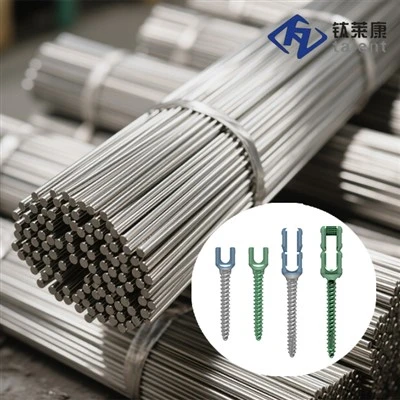
First off, let’s get one thing straight: titanium is wild. It’s the 9th most common element in the Earth’s crust, right? But you can’t just dig up a rock, slap a “titanium bar” label on it, and call it a day. The ore we pull out’s mostly ilmenite or rutile, and the process to turn that into usable metal is where almost all the environmental headaches happen. Let’s start with mining, because that’s where it all begins.
Mining for titanium ore isn’t as straightforward as digging for coal, but it’s not gentle either. Most of the world’s rutile (the high-grade stuff) comes from places like Australia, South Africa, and Canada, often from open-pit mines. Open-pit mining means you’re stripping away entire layers of topsoil, vegetation, and even groundwater tables to get to the ore. I’ve heard from my mining partners that some sites end up with huge “tailings ponds”—basically toxic sludge left over after you separate titanium from other minerals. Those ponds are a big deal: if they leak (and yeah, sometimes they do, especially during heavy rains), they can poison local rivers and kill aquatic life. Also, deforestation for mining means lost habitats; a recent mine in Western Australia cleared like 2,000 acres of eucalyptus forest just for rutile extraction. That’s not small potatoes when we’re already losing biodiversity like crazy.
Wait, but what about ilmenite, the lower-grade stuff? A lot of it’s mined from sand deposits, so that’s often dredged from coastal areas. Dredging’s even rougher—you’re sucking up entire seabeds, which destroys coral reefs and the homes of fish and crustaceans. One study I read said coastal titanium mining can reduce local fish populations by 30% or more because the sediment clouds the water and blocks sunlight for seagrass and phytoplankton. Not cool, especially when coastal communities depend on fishing.
Once you’ve got the ore, the next step is separating the titanium dioxide (TiO₂) from all the other junk in it. That’s where the first massive energy hit happens—and also where some pretty nasty chemicals come into play. The old-school method is the Kroll process, which is still used by like 90% of titanium producers. Let me break that down simply: you heat the TiO₂ with chlorine to make titanium tetrachloride (TiCl₄), then you react that with magnesium metal in a vacuum furnace at like 1,600°F (that’s ~870°C) to get pure titanium sponge. Yeah, that’s a lot of heat. Most of the energy for that comes from burning fossil fuels, so carbon emissions here are no joke. I looked up data last year, and a single ton of titanium sponge produced via Kroll emits roughly 21 tons of CO₂ equivalent. For context, aluminum is around 12 tons per ton of metal, steel is like 2 tons. So titanium’s double to triple that carbon footprint right off the bat. That’s a big reason a lot of folks in the industry are looking for alternatives, but more on that later.
The Kroll process also uses a ton of hazardous chemicals. Chlorine gas is super toxic—leaks from production facilities can cause respiratory issues for nearby workers, and if it gets into the air, it reacts with moisture to make hydrochloric acid, which falls as acid rain. Then there’s the waste from the magnesium reaction: you get magnesium chloride and leftover slag, which has heavy metals like vanadium and chromium. Disposing of that slag has to be done really carefully; if it’s dumped in regular landfills, those heavy metals can leach into groundwater over time. I’ve visited a couple of production plants in Russia and China, and their waste management systems are better than they were 10 years ago, but there are still smaller operations cutting corners that end up polluting local water supplies.
Now, from titanium sponge to actual bars—there’s more steps here. The sponge’s a porous, brittle material, so you have to melt it down, usually in a vacuum arc furnace (VAR) or an electron beam furnace. That’s another energy-intensive step, even if you’re using scrap titanium (more on recycling in a sec). Once it’s molten, you cast it into ingots, then roll or extrude it into bars. All that forming—rolling, drawing, forging—uses more electricity and lubricants. Wait, lubricants! Most metalworking fluids are petroleum-based, and some have toxic additives like sulfurs and chlorines. If those aren’t collected and disposed of properly, they can get washed into sewers or local waterways. One of my suppliers in Italy switched to water-based lubricants a couple years back, and they cut their fluid-related waste by 80%—I wish more people would do that.
But let’s talk about the good parts, because titanium isn’t all bad for the environment. First, it’s super durable. That’s why it’s used in aerospace and medical implants—parts made from titanium can last 20+ years, way longer than steel or aluminum equivalents. So over the lifecycle of a product, the environmental cost per use is way lower. Like, a titanium aerospace engine component that doesn’t need replacement for 30 years vs. a steel one that needs replacing every 10? That’s a huge difference in total carbon footprint. Also, titanium is 100% recyclable, no quality loss. Wait, is that true? Yeah! When you melt recycled titanium, it’s just as strong and pure as virgin metal. Right now, only about 5% of titanium is recycled globally, but that’s starting to go up. The problem is that most recyclers don’t separate titanium from other metals properly—contamination ruins the scrap. But a lot of new tech for sorting metal scrap is coming out, and I’ve heard some big aerospace companies are pushing their suppliers to use more recycled titanium. If we could get that recycling rate up to 20% or more, it would cut the carbon footprint of titanium production by like 30%, easy.
Also, some producers are switching to cleaner energy. One facility I work with in Canada runs all their titanium bar production on hydroelectric power, so their carbon emissions from energy are almost zero. That’s a game-changer. There’s also the “FFC Cambridge process,” a newer method that uses electrolysis to make titanium metal without chlorine or magnesium, which cuts energy use by like 50% and eliminates most of the hazardous chemicals. It’s not widespread yet because it’s more expensive to set up, but a few small plants are testing it. I think in the next 10 years, that process could take over a big chunk of the market, which would make titanium way greener.
Wait, but let’s not gloss over the issues that still aren’t fixed. Even with hydro power, mining still causes habitat destruction, and there’s the problem of end-of-life titanium. Right now, a lot of titanium parts—like old medical implants or aircraft parts—just get thrown in landfills because they’re hard to separate from other materials. If you have a titanium and steel bike frame, for example, it’s a pain to sort them, so most people just toss it. That’s a waste of a super recyclable metal. Some cities are starting to take titanium scrap separately, but it’s not common yet.
So, as a titanium bars supplier, what does all this mean for you? I don’t BS about this—when you work with us, we source from producers that have strict environmental audits, we prioritize recycled titanium whenever possible, and we pass along info about a supplier’s carbon footprint if you ask. I know a lot of folks out there are looking for greener options, and we’re always testing new sources to make sure we’re not just selling strong, durable bars, but ones that don’t come at too big a cost to the planet.
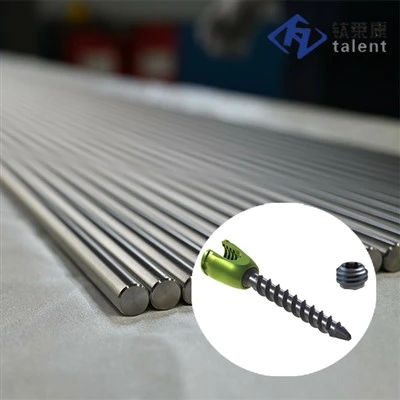
If you’re a fabricator, aerospace engineer, or medical device maker and you’re looking for titanium bars that balance quality, performance, and lower environmental impact, hit me up to chat about your project. We can go over material specs, sourcing options, and how to make your next build as sustainable as possible. And before you ask—no, we don’t cut corners on either quality or ethics, because your work matters, and so does keeping this planet running.
Titanium Plates References:
- International Titanium Association. (2022). Global Titanium Production and Environmental Impact Report.
- United States Environmental Protection Agency. (2021). Metal Mining and Processing: Environmental Challenges and Solutions.
- Journal of Cleaner Production. (2020). Life Cycle Assessment of Titanium Production via the Kroll Process vs. Emerging Electrolytic Methods.
- World Wildlife Fund. (2019). Coastal Mining Impacts on Marine Biodiversity in Southern Africa.
- European Metals Recycling Association. (2022). Titanium Recycling: Current Practices and Future Potential.
Baoji Tailaikang High-Tech Metal Materials Co., Ltd.
With abundant experience, we are one of the most professional titanium bars manufacturers and suppliers in China. Please feel free to buy titanium bars for sale here and get pricelist from our factory. For price consultation, contact us.
Address: No. 1, Southeast Cross of Gaoxin Avenue and Fenghuang 3rd Road, High-tech Development Zone, Baoji City, Shaanxi Province, China
E-mail: sale@tlkjs.com
WebSite: https://www.tlkmetal.com/
