If you’re a business owner, facilities manager, or even a do-it-yourself homeowner, there’s nothing more disruptive than a faulty heater blower motor. Last winter, I got a call from a small office complex manager who’d spent three nights in the cold troubleshooting their HVAC unit, replacing parts that turned out not to be the root issue. That’s when I realized how many people overlook the simple, step-by-step checks that can save time, money, and avoid unnecessary part replacements—especially when you work with a reliable supplier of heater blower motors, like the team I’m proud to be part of. Today, I’m walking through the practical, science-backed steps to troubleshoot a heater blower motor, drawing on our years of experience supplying motors that keep commercial and residential spaces comfortable. Heater Blower Motors

First, it’s important to understand what a heater blower motor does, because troubleshooting starts with knowing how a part is supposed to work. The blower motor is the component that spins the fan, pushing warm air from your HVAC unit’s heat exchanger (for gas or electric furnaces) or coil (for heat pumps) through your ductwork and into every room. If it stops working, you get no airflow, uneven heating, or strange noises—signs that something’s off. Before you touch any part, safety is non-negotiable: always turn off the power to your HVAC unit at the circuit breaker or disconnect switch. Accidentally hitting a live wire while testing can lead to serious injury, and this step eliminates that risk. I can’t stress this enough; a common mistake new DIYers make is skipping the power shutoff, and we’ve seen too many preventable issues from that.
Once power is off, start with the simplest checks first—90% of blower motor issues are fixable without replacing the entire motor, so don’t jump to ordering a new one (we make great motors, but we want you to only buy one when it’s actually needed). The first step is checking the blower motor’s air filter. A clogged filter is the number one cause of premature blower motor failure. If your filter is covered in dust, pet hair, or debris, it restricts airflow across the HVAC unit’s evaporator coil or heat exchanger. The blower motor has to work much harder to push air through a blocked filter, which increases its electrical load and wears out the windings over time. If the filter is dirty, replace it with a new one (be sure to get the correct MERV rating for your unit—our team can help confirm what you need if you’re not sure) and see if the blower starts working. If it does, that was the fix; if not, move on to the next step.
Next, inspect the blower motor’s access panel and fan blade. The fan blade is attached to the motor’s shaft, and sometimes debris (like leaves, insulation, or even small toys in commercial units) can get stuck between the blade and the housing, preventing it from spinning. Carefully remove the access panel (again, power off first) and turn the fan blade by hand. It should spin smoothly and freely; if it’s stiff or catches on something, clear the debris gently. If the blade is damaged or warped, that can also throw off the motor’s balance, leading to noise or failure. Our team often supplies replacement fan blades for exactly this issue, but it’s a quick fix that’s cheaper than a full motor replacement if caught early.
If the fan blade is clear and spins freely, the next step is testing the motor’s electrical connections. Blower motors run on low voltage (usually 24 volts for residential units, 120 or 240 for commercial) so loose or corroded connections are extremely common. Locate the motor’s wiring harness, which connects to the HVAC’s control board. Turn the power back off, then carefully disconnect the wires. Look for frayed insulation, loose terminals, or corrosion (green or white buildup on the metal connectors). If you find corrosion, gently clean it with a wire brush or isopropyl alcohol, then reattach the wires firmly. A multimeter can help here, but if you don’t have one, you can also check for power at the control board: set your HVAC to “heat” mode and turn the power back on briefly (only for this test, then turn it off immediately), then use a voltage tester to confirm the control board is sending power to the blower motor. If there’s no power, the issue is with the control board, not the motor. If there is power, the motor itself is likely faulty.
Wait, before you write off the motor, one more quick check: the motor’s capacitor. The start and run capacitor gives the blower motor the initial boost it needs to spin, and a failing capacitor is another top cause of blower motor issues. A bad capacitor might make the motor hum but not spin, or it might work intermittently. To test it, turn off power, locate the capacitor (it’s a small, cylindrical component near the blower motor), and check for a bulging top or bottom—if it looks swollen, that’s a surefire sign it’s bad. You can also test it with a multimeter set to capacitance, but if you’re not comfortable doing that, a quick rule of thumb: if the motor hums when you turn it on but doesn’t spin, replacing the capacitor is a simple, low-cost fix. Our team stocks capacitors alongside heater blower motors, so we can ship both parts quickly if needed.
If you’ve completed all these checks and the motor still isn’t working, it’s time to assess if the motor itself is faulty. The two most common internal issues are worn bearings and damaged windings. Over time, the bearings that support the motor shaft can wear out, causing noise (a high-pitched squeal or grinding sound) and preventing the shaft from spinning smoothly. You can test this by turning the shaft by hand again: if it’s loose or makes a grinding noise when you turn it, the bearings are bad. Damaged windings happen when the motor overheats repeatedly (from clogged filters or restricted airflow) or when there’s a power surge, leading to broken electrical circuits inside the motor. If windings are damaged, the motor won’t draw the correct amount of current, so a multimeter test will show an open circuit (no continuity) across the motor’s terminals.
Now, when is it time to replace the blower motor vs. repair it? For residential units, replacing the motor is often more cost-effective than repairing it, since motor repair requires specialized tools and labor. For commercial units, it depends on the size and type of motor—large commercial blower motors might be worth repairing if the repair cost is less than 50% of a new motor. That’s where our experience as a heater blower motor supplier comes in: we can help you compare the cost of repair vs. replacement, and we stock a wide range of motors for both residential and commercial applications, so you don’t have to wait around for a special order.
Once you’ve replaced the blower motor, there’s a critical step to make sure it lasts: test the airflow and adjust the fan speed if needed. A new motor needs to run within the unit’s specified airflow range to avoid overheating. Use a manometer to measure static pressure across the ductwork—if static pressure is too high, the blower is working too hard, which will shorten the new motor’s life. This is a step many people skip, but it’s why we work with commercial clients to not just supply motors, but help them ensure proper installation and airflow. For residential DIYers, making sure the filter is clean and the vents aren’t blocked by furniture or rugs will help keep the new motor running smoothly for years.
Over the years, we’ve seen firsthand that heater blower motor issues are rarely unexpected—most are caused by preventable factors: a clogged filter, loose wiring, a worn capacitor. That’s why we encourage our clients to do regular maintenance checks every fall, before the heating season starts. Changing the filter, inspecting the fan blade, and testing connections takes less than an hour, and it can avoid the headache of a broken motor in the middle of a cold spell. As a supplier, we’re not just here to sell you a new motor when you need it—we’re here to help you troubleshoot, maintain, and keep your HVAC system running efficiently.
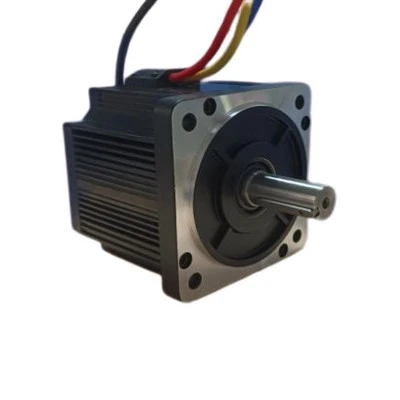
If you’ve gone through these steps and confirmed you need a replacement heater blower motor, or if you’re a facilities manager looking to stock motors for your commercial properties, reach out to our team to discuss your specific needs. We offer a wide selection of motors, including direct-fit options for most major HVAC brands, and our experts can help you choose the right part for your application, no matter how big or small your project is.
BMC Motors References
- Air Conditioning, Heating, and Refrigeration Institute. (2021). Residential HVAC System Maintenance Best Practices.
- US Department of Energy. (2022). Energy Efficiency Tips for HVAC Systems.
- Carrier Corporation. (2020). Blower Motor Troubleshooting Guide for Residential Units.
- HVAC Excellence. (2021). Commercial HVAC Component Testing Procedures.
Hangzhou Jiangnan Electric Motor Co., Ltd.
Hangzhou Jiangnan Electric Motor Co., Ltd. is one of the most reliable heater blower motors manufacturers and suppliers in China, specialized in providing high quality customized service. We warmly welcome you to wholesale heater blower motors for sale here from our factory. For price consultation, contact us.
Address: No.298, YaNan Road, Yaqian Town, Xiaoshan District, Hangzhou City, Zhejiang Province
E-mail: sales@jnelectricmotor.com
WebSite: https://www.jnelectricmotor.com/
