Hey there! If you’re in the market for welded link chain, you’ve come to the right place. I’m a supplier of welded link chains, and I’ve seen my fair share of chain failures. In this blog post, I’m gonna share some tips on how to prevent the failure of welded link chain. Welded Link Chain
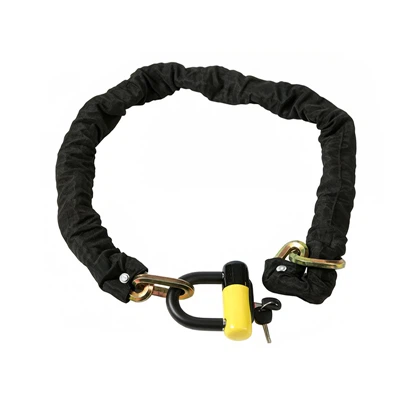
Understanding Welded Link Chain
First off, let’s talk a bit about what welded link chain is. Welded link chain is made by welding individual links together. It’s used in a whole bunch of applications, like lifting, towing, and securing loads. Different types of welded link chains are designed for different purposes, and they vary in terms of strength, size, and durability.
Common Causes of Chain Failure
Before we get into the prevention methods, it’s important to know what causes chain failures in the first place.
Overloading
One of the most common reasons for chain failure is overloading. Each chain has a specified working load limit (WLL), which is the maximum weight it can safely handle. If you exceed this limit, the chain can break or deform. For example, if you’re using a chain to lift a heavy piece of machinery and the weight of the machinery is more than the chain’s WLL, you’re asking for trouble.
Wear and Tear
Chain links are constantly rubbing against each other and other surfaces during use. Over time, this can cause wear and tear. The pins and bushings in the chain can wear down, reducing the chain’s strength. Also, the welded joints can be affected by the constant movement and friction.
Corrosion
If the chain is exposed to moisture, chemicals, or harsh environmental conditions, it can corrode. Corrosion weakens the metal, making the chain more prone to failure. For instance, if you’re using a chain in a marine environment, it’s constantly exposed to saltwater, which can accelerate corrosion.
Improper Installation
Installing the chain incorrectly can also lead to failure. If the chain is not properly fastened or if it’s fitted with the wrong type of connectors, it can come loose or break under stress.
Preventive Measures
Follow the Working Load Limit
This is a no-brainer. Always make sure you know the WLL of your chain and never exceed it. When you’re selecting a chain for a particular application, check the manufacturer’s specifications to ensure it can handle the load. If you’re not sure, don’t hesitate to ask for advice. And remember, it’s better to use a chain with a higher WLL than you think you need.
Regular Inspections
Set up a regular inspection schedule for your chains. Check for signs of wear, such as elongated links, worn pins, or cracked welds. Look for any signs of corrosion, like rust or pitting on the surface of the chain. If you notice any issues, it’s important to take action immediately. You might need to replace the chain or have it repaired.
Lubrication
Lubricating your chain can significantly reduce wear and tear. It helps to minimize the friction between the links, which in turn extends the lifespan of the chain. Use a high-quality lubricant that’s suitable for the type of chain and the environment it’s used in. Apply the lubricant regularly, especially in high-friction areas.
Protect from Corrosion
To prevent corrosion, you can use chains that are made from corrosion-resistant materials, like stainless steel. If you’re using a regular steel chain, you can apply a protective coating, such as zinc plating or paint. Also, try to keep the chain dry and clean as much as possible. If it gets wet, dry it thoroughly to prevent rust.
Proper Installation
Make sure the chain is installed correctly. Use the right type of connectors and fasteners, and ensure they’re properly tightened. If you’re not confident in your installation skills, it’s best to have a professional do it for you. And always follow the manufacturer’s instructions for installation.
Maintenance Tips
In addition to preventing failure, proper maintenance can also extend the life of your welded link chain.
Clean the Chain
Regularly clean the chain to remove dirt, debris, and any other contaminants. You can use a mild detergent and water to clean the chain. After cleaning, dry it thoroughly to prevent corrosion.
Store the Chain Properly
When the chain is not in use, store it in a dry and clean place. Avoid storing it in direct contact with the ground or in a damp environment. You can hang the chain or store it on a rack to keep it organized and prevent damage.
Train Your Staff
If you have employees who use the welded link chain, make sure they’re trained on how to use it safely and correctly. They should know the importance of following the WLL, inspecting the chain, and performing proper maintenance. Training can help prevent accidents and ensure the long-term reliability of the chain.
Working with a Reliable Supplier
As a welded link chain supplier, I know how important it is to work with someone you can trust. When you’re looking for a supplier, here are a few things to keep in mind.
Quality Products
Choose a supplier that offers high-quality chains. Look for chains that are made to industry standards and have been tested for strength and durability. A good supplier will be able to provide you with detailed product information and specifications.
Good Customer Service
You want a supplier who’s easy to work with and responsive to your needs. They should be able to answer your questions, provide technical support, and offer advice on selecting the right chain for your application.
Competitive Pricing
While price shouldn’t be the only factor you consider, it’s still important to get a good deal. Look for a supplier who offers competitive prices without compromising on quality.
Conclusion
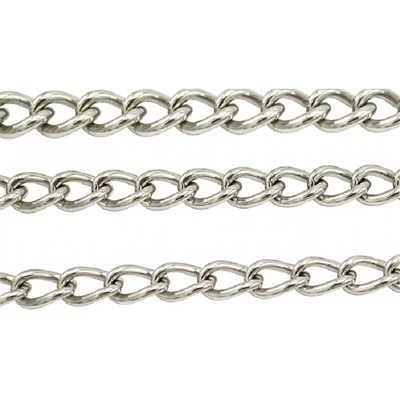
Preventing the failure of welded link chain is all about taking the right precautions. By following the working load limit, conducting regular inspections, lubricating the chain, protecting it from corrosion, and installing it properly, you can significantly reduce the risk of chain failure. And remember, working with a reliable supplier is key to getting high-quality chains that meet your needs.
Swing Chains If you’re interested in purchasing welded link chain or have any questions about chain safety and maintenance, don’t hesitate to reach out. We’re here to help you find the best solution for your application. Let’s start a conversation about how we can work together to keep your operations running smoothly.
References
- Machinery’s Handbook: A comprehensive source of information on mechanical engineering, including details on chain design and use.
- Occupational Safety and Health Administration (OSHA) standards related to chain use in industrial settings.
- Textbooks on materials science and metallurgy for understanding the properties of chain metals and their response to different conditions.
Pujiang Shenli Chain Co., Ltd.
We’re well-known as one of the most experienced welded link chain suppliers in China, featured by quality products and low price. Please feel free to buy discount welded link chain made in China here from our factory. Contact us for more details.
Address: No. 18, Zaifeng Road, Pujiang County, Zhejiang Province
E-mail: Chen@shenlichain.com
WebSite: https://www.chainshenli.com/
