Are there any flame retardants that are non – toxic?
As a supplier of flame retardants, I am frequently asked about the safety and toxicity of these essential chemicals. Flame retardants play a crucial role in enhancing fire safety in a wide range of applications, from furniture and electronics to textiles and construction materials. However, concerns about the potential toxicity of some flame retardants have led to increased interest in non – toxic alternatives. In this blog, I will explore the concept of non – toxic flame retardants, discuss some of the available options, and shed light on their effectiveness and applications. Flame Retardants
Understanding Flame Retardants and Toxicity
Flame retardants are substances added to materials to prevent or slow down the spread of fire. They work through various mechanisms, such as releasing chemical compounds that interfere with the combustion process, forming a protective char layer on the material’s surface, or diluting the flammable gases produced during a fire.
Over the years, some types of flame retardants have been associated with potential health risks. For example, certain brominated flame retardants (BFRs) have been found to bioaccumulate in the environment and in human tissues. These chemicals have raised concerns about their potential impacts on the endocrine system, neurological development, and immune function. Similarly, some organophosphate flame retardants have also been linked to adverse health effects, including developmental and reproductive toxicity.
The search for non – toxic flame retardants is driven by the need to balance fire safety with environmental and human health. Non – toxic flame retardants are those that do not pose significant risks to human health or the environment during their production, use, or disposal.
Non – Toxic Flame Retardant Options
Mineral – based Flame Retardants
Mineral – based flame retardants are among the most widely used non – toxic options. These include substances such as aluminum hydroxide (ATH) and magnesium hydroxide (MDH).
Aluminum hydroxide is a common flame retardant used in a variety of applications, including plastics, rubber, and textiles. When heated, ATH decomposes endothermically, releasing water vapor. This process absorbs heat from the fire, reducing the temperature of the material and slowing down the combustion process. Additionally, the water vapor helps to dilute the flammable gases, further suppressing the fire. Aluminum hydroxide is non – toxic, environmentally friendly, and has a low toxicity profile.
Magnesium hydroxide works in a similar way. It releases water when heated, absorbing heat and diluting flammable gases. MDH has a higher decomposition temperature than ATH, which makes it suitable for applications that require higher heat resistance, such as in some engineering plastics. Like ATH, magnesium hydroxide is non – toxic and has a good environmental record.
Phosphorus – based Flame Retardants
Some phosphorus – based flame retardants can also be considered non – toxic. For example, red phosphorus and certain organophosphorus compounds that are less volatile and have lower toxicity compared to some traditional organophosphate flame retardants.
Red phosphorus is an effective flame retardant in plastics and elastomers. It works by forming a protective layer of phosphorus oxide on the surface of the material when heated. This layer acts as a barrier, preventing oxygen from reaching the flammable material and reducing the spread of fire. Red phosphorus is generally considered non – bioaccumulative and has a relatively low toxicity.
In addition, some newer generations of organophosphorus flame retardants have been developed with improved safety profiles. These compounds are designed to have lower volatility and better chemical stability, reducing the risk of exposure to humans and the environment.
Intumescent Flame Retardants
Intumescent flame retardants are another class of non – toxic options. They consist of a combination of a carbon source, an acid source, and a blowing agent. When exposed to heat, these components react to form a thick, foamy char layer on the surface of the material.
The char layer acts as an insulating barrier, protecting the underlying material from the heat of the fire and preventing the spread of flames. Intumescent flame retardants are commonly used in coatings, adhesives, and some construction materials. They are non – toxic and can provide effective fire protection without the use of harmful chemicals.
Effectiveness of Non – Toxic Flame Retardants
The effectiveness of non – toxic flame retardants depends on several factors, including the type of material being treated, the application, and the specific fire safety requirements. In general, non – toxic flame retardants can provide significant fire protection when used correctly.
For example, mineral – based flame retardants like ATH and MDH are effective in reducing the flammability of plastics and rubber. They can meet many industry – standard fire safety tests, such as the UL 94 flammability rating for plastics. However, the amount of flame retardant required to achieve a certain level of fire protection may be relatively high, which can sometimes affect the mechanical properties of the material.
Phosphorus – based and intumescent flame retardants can also be highly effective in specific applications. They can provide a good balance between fire safety and material performance. For instance, intumescent coatings can be applied to steel structures in buildings to protect them from fire for a certain period, allowing for safe evacuation and fire – fighting operations.
Applications of Non – Toxic Flame Retardants
Non – toxic flame retardants are used in a wide range of industries and applications.
Furniture and Bedding
In the furniture and bedding industry, non – toxic flame retardants are used to meet fire safety regulations. For example, ATH and MDH can be added to foam materials used in sofas and mattresses to reduce their flammability. This helps to prevent the rapid spread of fire in case of an ignition source, such as a cigarette or a small electrical fire.
Electronics
Electronics are another important application area. With the increasing use of electronic devices in our daily lives, fire safety is a major concern. Non – toxic flame retardants can be incorporated into the plastic housings of electronic devices to prevent fires caused by overheating or short – circuits. Phosphorus – based flame retardants are often used in this application due to their good electrical insulation properties.
Textiles
In the textile industry, non – toxic flame retardants are used to treat fabrics for various applications, including upholstery, curtains, and workwear. Intumescent flame retardant coatings can be applied to textiles to provide fire protection. These treated textiles are not only safer but also more environmentally friendly compared to those treated with some traditional toxic flame retardants.
Construction Materials
In the construction industry, non – toxic flame retardants are used in materials such as insulation, cables, and wall panels. For example, intumescent sealants can be used to fill gaps in fire – rated partitions to prevent the spread of fire and smoke. Mineral – based flame retardants can be added to insulation materials to improve their fire resistance.
Conclusion
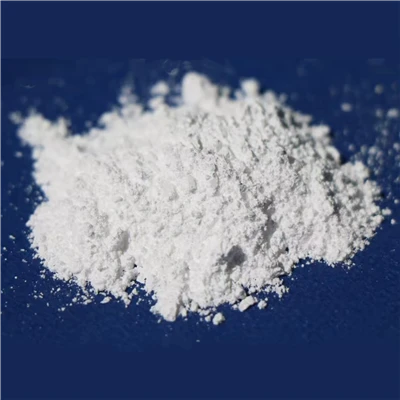
In conclusion, there are indeed non – toxic flame retardants available in the market. Mineral – based, phosphorus – based, and intumescent flame retardants offer effective fire protection without the significant health and environmental risks associated with some traditional flame retardants. As a flame retardant supplier, I am committed to providing high – quality, non – toxic flame retardant solutions to meet the diverse needs of our customers.
Flame Retardants If you are looking for safe and effective flame retardants for your products or applications, I encourage you to contact us for a detailed discussion. We can provide you with the latest information on non – toxic flame retardants, their performance, and how they can be tailored to your specific requirements. Let’s work together to achieve the highest level of fire safety while minimizing the impact on the environment and human health.
References
- Horrocks, A. R. (2018). Introduction to Flame Retardancy of Textile Materials. The Textile Institute.
- Troitzsch, J. M. (2004). International Plastics Flammability Handbook: Principles, Regulations, Testing and Approval. Hanser Publishers.
- Weil, E. D., & Levchik, S. V. (Eds.). (2008). Flame Retardancy of Polymeric Materials. CRC Press.
Hebei Xinxinyuan Energy Co., Ltd.
Hebei Xinxinyuan Energy Co., Ltd. is one of the most professional flame retardants manufacturers and suppliers in China, featured by quality products and good price. Please rest assured to wholesale customized flame retardants made in China here from our factory.
Address: Zhongjie Industrial Park, Huanghua City, Cangzhou City, Hebei Province, China
E-mail: atl2066@qq.com
WebSite: https://www.xinxinyuanfr.com/
