Hey there, if you’ve ever watched a Down The Hole (DTH) drill at work—whether it’s on a mining site blasting out rock, a construction crew putting in foundation holes, or a water well project punching through hard stone—you’ve probably wondered why the drill operator isn’t just cranking the rotation speed to max and blasting through everything. As a DTH drill supplier, I get asked this all the time: “Why does rotation speed even matter here? Can’t I just spin it fast and call it a day?” Short answer? No. Not if you want to actually get efficient, avoid breaking bits, or not waste half your budget. Let me break this down like I would to a new site manager who’s been troubleshooting their drill for weeks. Down The Hole Drill
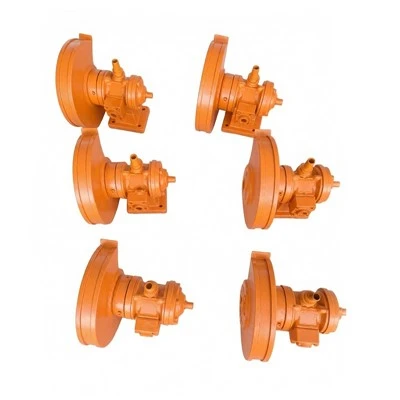
First, let’s do a quick recap of what a DTH drill even is, because I’ve had guys mix it up with top hammer drills before, and that’s a whole different ballgame. Unlike top hammer drills that have the hammer at the surface hitting the drill string from above, DTH drills have the hammer inside the drill bit itself—right at the bottom of the hole, against the rock. Compressed air pushes that hammer up and down, pounding the rock into tiny chips (cuttings), and also blasts those cuttings back up the hole through the space between the drill string and the hole wall. The rotation speed is what turns the bit, so each new blow from the hammer hits a fresh spot on the rock, not the same crumbly spot over and over. That makes sense, right? But here’s the thing: rotation speed doesn’t work alone. It pairs with another big factor—hammer impact rate—and they have a perfect sweet spot.
Let’s start with what happens when rotation speed is too low. If you’re spinning the bit too slow, each hammer blow lands on the exact same tiny section of rock. That means you’re not actually breaking new rock half the time—you’re just grinding the same area, wasting energy from the hammer and the drill’s motor. I’ve seen a customer out in West Virginia running a 6-inch DTH bit at 15 RPM when their spec sheet said 35–45 RPM, and they were taking 12 hours to drill a 50-foot hole that should’ve taken 6. When they bumped the rotation speed up to 40 RPM, same air pressure, same hammer settings, they cut the time in half. Why? Because every hammer blow hit a new spot, so the rock was breaking evenly, not just turning to dust in one place. Low rotation speed also means you can get cuttings piling up at the bottom of the hole, right? If the bit isn’t spinning, the compressed air might not move the cuttings fast enough, so those little rock chips get recrushed into fine powder that acts like a lubricant between the bit and the rock. That reduces the bit’s ability to grip the rock, so even if the hammer is pounding, it’s not penetrating as deep.
Now the opposite end: rotation speed too high. This is where most people mess up, and it’s where I see a lot of broken bits and wasted money. Let’s say you’re running that same 6-inch bit at 80 RPM, thinking “more spins = more rock broken.” Nope. The hammer’s impact rate—most DTH hammers run at like 1,500 to 3,000 blows per minute, depending on air pressure and size—can only do so many hits per second. If you spin the bit faster than the hammer can keep up, you’re putting the bit’s teeth (or buttons, if it’s a tricone bit) down on rock that hasn’t been pounded yet. So instead of each blow landing on a new, broken rock surface, you’re just dragging the bit over unbroken rock. That causes what’s called “bit wandering” sometimes, but more often it’s just excess wear on the bit buttons. I had a mining customer a couple years ago who ran their 8-inch DTH bit at 75 RPM in granite, and they were going through a new bit every 80 feet. When they dropped it to 50 RPM, that same bit lasted 320 feet. Same hammer, same air pressure, same drill rig—only rotation speed changed. Why? Because each hammer blow was timed to a new spot, so the bit wasn’t dragging across hard rock, it was pounding new rock consistently.
Wait, but it’s not just about speed numbers, right? Rotation speed depends on so many other variables that I always tell customers to stop chasing RPM and start matching it to the job. Let’s talk about rock type first—soft rock vs hard rock. If you’re drilling into sandstone or limestone, which is way softer than granite, you can run a higher rotation speed, like 50–60 RPM, because the rock breaks easier so you don’t need as much hammer force per blow. I had a well driller in Ohio who was drilling into soft sandstone, and he was running at 60 RPM, cutting 10 feet an hour. When he tried dropping to 30 RPM because his buddy told him “lower is better,” he only got 4 feet an hour. Total waste of time. On the flip side, hard rock like granite or basalt? You want lower rotation speed, like 30–45 RPM, because that rock is way tougher, so the hammer is hitting harder, and you don’t want to spin so fast that the bit can’t keep up with the blows.
Then there’s the bit size and the hammer size. A 4-inch DTH hammer has a smaller bit, right? So the circumference is smaller, meaning each rotation covers less linear distance than a 10-inch bit. That means a 4-inch bit needs a higher rotation speed per foot of hole than a 10-inch bit. For example, a 4-inch hammer might run at 40–50 RPM in hard rock, while a 10-inch hammer in the same rock runs at 25–35 RPM. If you spin the big hammer at the same 40 RPM, you’re going too fast, because each rotation is moving the bit a lot more, and the hammer can’t hit every new spot fast enough.
Also, don’t forget about air pressure and flow rate, which tie right into rotation speed. The DTH hammer’s impact rate depends on how much compressed air you’re pushing through it. If you’re running low air pressure, the hammer is hitting slower, so you need a lower rotation speed to match those slower blows. If you crank up the air pressure to get faster hammer hits, you can bump the rotation speed a little, but only until you hit that sweet spot where every blow lands on a fresh rock spot. I always tell customers to do a test hole first if they’re switching rock types or rigs—drill 10 feet at 30 RPM, 10 at 40, 10 at 50, and see which gives the fastest penetration rate with the least bit wear. That’s way better than guessing from a manual, because every site is different: one granite site might be softer than another because of mineral deposits, so you might adjust a bit higher or lower.
Wait, another thing people sleep on: torque vs rotation speed. Rotation speed isn’t just about spinning fast—it’s about how much torque you have to turn the bit. If you’re running a high rotation speed in hard rock, you need enough torque to keep the bit spinning, not slipping. If your drill rig only has 500 ft-lbs of torque, you can’t spin a 10-inch bit at 40 RPM in granite, because it’ll just slip and spin in place, wearing the bit buttons for nothing. That’s another common mistake: operators see a high RPM number on the gauge and think they’re being efficient, but if the drill is slipping, they’re actually wasting power and not drilling at all. I had a construction customer last year who was complaining their drill was “too slow” for foundation holes, and it turned out his rig’s torque was only rated for 8-inch bits, and he was running a 10-inch at 35 RPM—torque wasn’t enough, so the bit was slipping. Dropping the rotation speed to 28 RPM fixed it, and he got the penetration rate he needed.
Now, why does this all matter for efficiency? Let’s put numbers to it, because that’s what site managers care about. I recently worked with a gold mining operation in Nevada that was drilling 6-inch holes for exploration, and they were averaging 18 feet per hour with their old settings: 55 RPM in granite. We tested changing rotation speed to 38 RPM, and their penetration jumped to 27 feet per hour. That’s a 50% increase in drilling speed—no new rig, no new bit, no higher air pressure—just adjusting the RPM. Over a month, that meant they drilled 216 more feet than they would’ve at the old rate, cutting their drilling time by 3 and a half days. For a mining site, that’s thousands of dollars saved on labor and rental time. And on top of that, their bit life went from 120 feet to 280 feet, so they weren’t buying new bits every week. That’s the real efficiency win, not just spinning fast.
Wait, but what about when you’re drilling other things, like water wells or construction? Same logic applies. A water well driller in Texas told me last month that he was running his 8-inch DTH hammer at 30 RPM in limestone, and he was getting 14 feet per hour. We bumped it to 37 RPM, and he got 19 feet per hour. No issues with bit wear, because the limestone was soft enough that the hammer could keep up with the faster spins. The key is matching the rotation speed to the hammer’s impact rate, which is dependent on rock type, bit size, air pressure, and torque.
I also need to mention what happens when you get this wrong long-term. I’ve seen sites that run too fast for months, and they burn out hammer seals way faster, because the excess wear on the bit creates more vibration that travels up the drill string, wearing out the hammer components. Or sites that run too slow, and they get so much cuttings buildup that the compressed air can’t exhaust properly, which makes the hammer overheat, leading to breakdowns. A DTH drill downtime costs anywhere from $500 to $5,000 an hour, depending on the site, so getting rotation speed right isn’t just about speed—it’s about keeping your rig running.
A lot of new operators don’t get this, because top hammer drills work differently. With top hammer, rotation speed is a little more flexible, because the hammer is at the surface, so penetration rate is more about hammer force than matching blows to rotation. But DTH is different—everything happens at the bit, so the timing between the hammer’s blows and the bit’s rotation is everything. That’s why when a DTH drill supplier like me gives you a spec sheet, it’s not just random numbers; it’s based on years of testing across different rock types and applications.
Let me sum this up like I would to a newbie: don’t chase high RPM as a silver bullet. Test small, adjust based on what you see. If you see cuttings piling up at the bottom of the hole (you can tell by the air return—if it’s not blowing clear, just dusty, that’s a sign), you might need a little higher RPM to move those chips. If you see your bit wearing out faster than your last job, drop the RPM a little. If you’re drilling soft rock, you can go a little higher; hard rock, lower. Always check that your drill has enough torque to hold that rotation speed—no sense spinning fast if the bit is just slipping.
At the end of the day, drilling efficiency is all about working with the drill, not against it. The rotation speed is just one piece of the puzzle, but it’s a big one that’s easy to get wrong if you don’t understand how DTH hammers actually work. If you’re struggling with penetration rates, bit life, or downtime, and you want to dial in your rotation speed (or need a new DTH drill setup that’s built for your specific jobs), reach out. I’ve helped everything from small well drillers to big mining operations tweak their settings to save thousands on every project. Don’t waste another day spinning your wheels (pun intended) at the wrong RPM.
Drill Pipe References
- "Down The Hole Drill Technology: Principles and Applications," International Journal of Mining Engineering and Mineral Processing, Vol. 8, No. 2, 2019, pp. 45-58.
- "Optimizing Rotational Speed for DTH Drilling in Hard Rock," Journal of Rock Mechanics and Geotechnical Engineering, Vol. 12, No. 4, 2020, pp. 789-801.
- "Bit Wear and Drilling Efficiency in DTH Drilling: The Role of Rotation Speed," Drilling Engineering Association Annual Symposium, 2021, pp. 112-125.
Quzhou Shenjian Machinery Factory
As one of the most professional down the hole drill manufacturers and suppliers in China, we’re featured by quality products and good service. Please rest assured to wholesale customized down the hole drill from our factory. Also, quotation is available.
Address: No. 42 Bingang Middle Road, Quzhou City, Zhejiang Province
E-mail: 107467114@qq.com
WebSite: https://www.shenjianmach.com/
