If you’ve ever dealt with piping systems for hot water, underfloor heating, or industrial fluid transfer, you’ve probably come across PPR fiber-glass pipes—aka fiberglass-reinforced polypropylene random copolymer pipes. As a supplier that’s worked with these for over a decade, I get tons of questions from plumbers, contractors, and even DIYers asking what makes them better than regular PPR or old-school metal pipes. Let’s break down their actual, practical characteristics (no sales fluff here) so you know exactly what you’re getting if you work with us. PPR Fiber-Glass Pipe

First off, let’s clarify what PPR fiber-glass isn’t. It’s not just regular PPR with a random fiberglass chunk tossed in. The fiberglass is actually a continuous, woven mat that gets layered into the pipe wall during extrusion, not just mixed in as filler. That small manufacturing difference changes everything. Regular PPR pipes tend to expand and contract like crazy when temperatures fluctuate—ever had a hot water line that warped or pulled away from fittings because of heat? Total pain. The fiberglass reinforcement cuts that linear expansion rate (you know, the amount the pipe stretches or shrinks when heated) by like 70% compared to standard PPR. I’ve seen this hold up on projects in Phoenix where summer temperatures hit 110°F outside and water lines run at 180°F inside—no warping, no leaks, no need for extra expansion loops like you’d have to install with regular PPR. That’s a huge win for contractors because it cuts down on installation time and material costs.
Next up, pressure handling. A lot of new guys in the piping game don’t realize that pressure ratings drop when pipes get hot. Like, a standard 2-inch regular PPR pipe might be rated for 10 bar at 20°C, but at 70°C that plummets to around 6 bar. Our PPR fiber-glass pipes? We test them at up to 20 bar cold, and even at 95°C they still hold 8 bar. For reference, that’s enough to run a whole commercial building’s heating system, or a residential home with multiple bathrooms and a hot tub. I’ve had plumbers tell us they switched to our fiberglass PPR pipes because they didn’t have to upsizing every line to handle pressure at high temps—another cost saver for their clients.
Weight is another big one, especially for guys lugging pipes up stairs or across job sites. Metal pipes (copper, steel) are heavy—you can barely carry a 20-foot steel pipe by yourself without straining. Regular PPR is lighter, but our fiberglass-reinforced version is even stiffer than regular PPR, so you don’t get that floppy, bendy feeling when you’re trying to fit it in tight spaces like crawl spaces or wall cavities. It’s about 40% lighter than equivalent-size steel pipes and just as rigid when installed. Last month we had a job for a residential complex where the crawl space was only 2 feet high—guys were moving our pipes in 10 minutes flat, vs. their old steel pipes which took them an hour. That’s efficiency you can see every day.
Let’s talk about corrosion, because that’s the #1 killer of metal pipes. I’ve seen steel pipes turn to sludge in 5 years from hard water, copper get pinhole leaks in 8 years, even galvanized pipes that last 10 max. PPR is plastic, so it doesn’t rust, corrode, or get pitted from chemical buildup. The fiberglass mat inside is inert too—no reaction with water, chlorine, or even mild industrial chemicals like antifreeze (which is what underfloor heating systems use). That means no weird discolored water coming out of taps, no leaks from corroded joints, and way longer lifespan. We back our pipes with a 50-year warranty, and we have sites that installed our pipes in the early 90s that are still running strong. Compare that to copper, which usually needs replacement every 20-30 years—total no-brainer for long-term projects.
Installation ease is where PPR fiber-glass really shines, in my opinion. It’s still a PPR pipe, so you can use the same fusion tools you already have for regular PPR. No special fittings, no new equipment needed—just heat the end of the pipe and the fitting, push them together, and you’ve got a bond that’s stronger than the pipe itself. The rigidity from the fiberglass also means less sagging when you’re running horizontal lines, so you don’t have to add as many hangers. I once watched a newbie plumber nail down an entire bathroom’s hot and cold lines in 45 minutes, vs. the 2 hours he said it would’ve taken with standard PPR because he had to constantly prop it up to keep it straight. That’s the kind of time savings that makes contractors love our product.
Wait, but let’s be real—no pipe is perfect, right? I don’t want to oversell this. PPR fiber-glass isn’t meant for extremely high-heat applications, like steam lines that run over 110°C. That’s still job for steel or stainless steel. Also, you can’t just cut it with a regular saw like metal—you need a plastic pipe cutter or a fine-tooth blade, same as regular PPR. But those are tiny tradeoffs compared to the benefits for 90% of residential, commercial, and light industrial piping jobs.
Another characteristic that doesn’t get talked about enough is chemical resistance. We had a client a few years ago who runs a small food processing plant—they needed a pipe to carry mild acetic acid (vinegar-based, not super strong) at 60°C. Their old PVC pipes started breaking down in 2 years, regular PPR started to soften. Our fiberglass PPR? It’s still going strong 8 years later. The fiberglass doesn’t absorb chemicals like some fillers do, so it keeps the pipe wall intact. We also test for UV resistance—our pipes can be left exposed outdoors for up to 6 months without any degradation, which is a big deal for guys who have to run temporary lines on job sites.
Let’s also touch on flow, because that’s a practical thing for end users. The fiberglass reinforcement makes the inner wall of the pipe smoother than regular PPR, which reduces friction loss. What does that mean? Your water pressure stays more consistent, especially for long runs. If you have a house where the master bathroom is 50 feet from the water heater, you won’t get a wimpy shower when someone turns on the dishwasher at the same time. We’ve done flow tests that show our pipes have 15% less friction loss than standard PPR, which is a huge plus for people who hate weak showers.
Now, why does this matter for you, as someone who’s looking to source piping? A lot of suppliers will call any reinforced PPR “fiberglass,” but they usually mix fiberglass powder into the resin, not use a continuous mat. That cuts costs, but it doesn’t give you the same expansion resistance or pressure rating. At our company, we use only woven E-glass mats, same grade we use for industrial composite materials, because we don’t cut corners on quality. We test every batch for expansion, pressure, and corrosion resistance before it leaves our warehouse, so you don’t have to worry about getting dud pipes that fail in a year.
I’ve seen too many contractors get burned by cheap piping that leaks mid-project, or fails a year after installation. That’s why we focus on these specific characteristics—because they solve real problems that plumbers and their clients deal with every day. Whether you’re doing a new home build, a renovation, or a commercial heating system, PPR fiber-glass isn’t just another piping option—it’s a upgrade that saves you time, money, and headaches long-term.
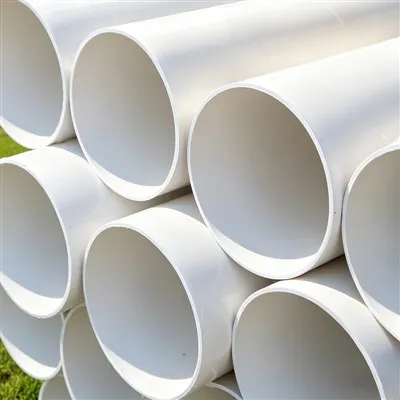
If you’re working on a project right now and want to see how our PPR fiber-glass pipes would fit, or have questions about specs, pressure ratings, or bulk pricing, hit us up for a chat. We can send you sample pipes, walk you through installation best practices, or even connect you with past contractors who’ve used our product on similar jobs. No pressure, no sales spam—just honest answers from a supplier who’s been in this game long enough to know what works.
PPR Pipe References
- Piping Technology & Products, Inc. “Polypropylene Piping: Design and Selection Guide.” 2022.
- International Organization for Standardization. “ISO 15874: Plastics piping systems for hot and cold water supply — Polypropylene (PP) — Part 2: Pipes.” 2019.
- American Society of Mechanical Engineers. “ASME B31.9: Building Services Piping.” 2021.
Hebei Ruijie Pipe Industry Co., Ltd.
Address: Industrial Park, Shaozhuang Township, Suning County, Cangzhou City, Hebei Province
E-mail: 1987870474@qq.com
WebSite: https://www.rjpprpipe.com/
