Hey there, fellow fish farmers, feed managers, and anyone who’s ever stared at a stack of aquatic feed bags going “yikes, these look way too close to that damp wall” – I’m Mia, and I’ve been in the aquatic feed bag game for 7 years now. Most days, I’m the one on the other end of the call when someone panics because their feed went moldy mid-storage, or the pellets clumped so bad they’re useless. The crazy part? 9 out of 10 times, it’s not about the feed being bad when it leaves our warehouse – it’s how they stored the bags after delivery. Let’s break this down like we’re chatting over a coffee (or a pre-farm shift energy drink, no judgment) so you can stop wasting feed and start making those tanks happy. Aquatic Feed Bags
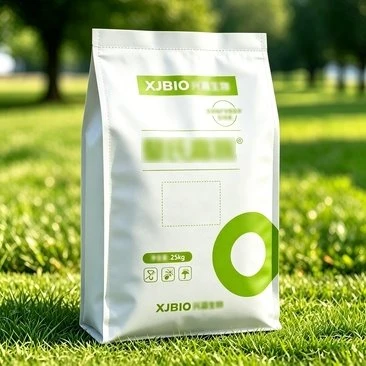
First off, let’s get one thing straight: aquatic feed isn’t like that bag of rice in your pantry that can sit there for months. It’s got all kinds of good stuff for the fish – proteins, oils, vitamins – that also happen to be catnip for mold, bugs, and even those random little critters that sneak into warehouses. The worst part? If you mess up storage, you’re not just wasting money on feed – you’re feeding your fish junk that might make them sick, which tanks your harvests and your bottom line. I’ve seen it happen too many times: a farmer orders a 2-ton bulk shipment, stacks the bags right on the concrete floor of their old shed, and two weeks later, half the bags have mold spots, and the pellets smell like old cardboard. Don’t be that person.
Let’s start with the big one: location. Where you put these bags is non-negotiable, okay? First, never, ever set them directly on concrete. I get it – sheds can be tight, and floor space is precious, but concrete wicks moisture like nobody’s business. Even if the floor looks dry, there’s hidden humidity seeping up, and that’s a one-way ticket to clumpy, moldy feed. What do we recommend instead? Pallets. And not those flimsy plastic ones that crack after a month – get sturdy, food-grade pallets. They lift the bags at least 6 inches off the floor, so air can circulate underneath. If you’re in a pinch, make sure it’s food-grade, no weird chemicals that could leach into the feed.
Next, the space itself needs to be dry, cool, and dark. I’ve had farmers ask me, “Can I store them in the barn with the equipment?” No, not if you want good feed. Barns have random leaks, plus they’re way warmer than they need to be – and heat is the enemy of feed quality. Vitamins break down fast in high temps, and those oils I mentioned go rancid. Aim for a storage space that’s between 50-70°F (10-21°C) – that’s the sweet spot. Humidity is another big one; keep it below 65%. If your storage space feels sticky when you walk in, that’s a problem. A dehumidifier isn’t a luxury here – it’s a must. And dark? Sunlight kills vitamins too, especially the B vitamins that fish need. Don’t put the bags near windows, even if you think they’re covered – UV rays sneak through and break down nutrients faster than you can say “fish feed.”
Now, how you stack the bags matters just as much as where you stack them. I see farmers stack them 10 bags high like they’re building a tower for a party, and that’s a no-go for two reasons. First, the weight at the bottom will crush the pellets, turning them into fine dust that’s hard for fish to eat and way more likely to go bad. Second, stacked too high, the bags on the bottom get no air flow, so moisture gets trapped. What’s the max height? For most standard 50lb aquatic feed bags, 8 high is the sweet spot. For bulk ton bags? Don’t stack more than 2 high. Also, leave space between stacks – at least 12 inches along the walls and 18 inches between stacks and each other. That’s for air circulation, which is key for stopping moisture buildup. Pro tip: don’t stack bags against the wall directly. Walls can sweat too, especially if it’s a concrete or block wall. Leave a little gap so air can move behind them.
Then there’s the big one: pest control. This is where so many people slip up. Rodents, bugs, even birds – they love aquatic feed. Not only will they eat through the bags, they’ll contaminate the feed with their waste, which is a huge health risk for your fish. And trust me, once a mouse finds a stack of feed bags, they’ll make themselves at home. What’s the safe way to handle pests? No harsh pesticides near the bags – those chemicals can seep through the plastic and ruin the feed, plus they’re bad for fish. Instead, use sealed traps for rodents, and make sure your storage space is sealed tight – no cracks in the walls, no gaps around doors. If you have a screen on vents, that’s good too, just make sure it’s food-safe. Also, check the bags for holes or tears when you unload them. If a bag’s damaged, move it to the front of the line and use it first – don’t leave it in the stack, that’s an open invitation for pests.
Another thing people forget: first-in, first-out. When those delivery trucks show up, it’s easy to just stack the new bags on top of the old ones. But that means you’re using the newest feed last, and the old feed is sitting there longer, going bad. We teach all our customers to label every delivery with the date it arrived, then put the oldest bags in the front of the stack so you grab them first. That way, you’re not letting feed sit for months before you use it, which cuts down on spoilage. I’ve had farmers tell me this simple trick cut their feed waste by 30% – that’s a huge number, right? Every feed bag you don’t waste is money in your pocket.
Wait, what if you have leftover feed in a bag that’s already open? Oh, that’s a whole separate topic. I see people leave open bags lying around, just folding the top over and shoving it in the corner. Bad. Open bags are exposed to moisture, pests, and dust from the air, so you need to seal them properly. We always recommend using a heavy-duty zip tie or a specialized bag seal – not just twisting the top a few times and crossing your fingers. If you don’t have a seal right away, we usually suggest transferring the leftover feed to a food-grade airtight bucket. That works too, and it’s way better for keeping the feed fresh. Also, don’t leave open bags near feed that’s still sealed – you don’t want moisture or pests spreading to the good stuff.
Let’s talk about common mistakes I hear all the time, just to make sure we’re covering everything. First, storing feed near chemicals or fertilizers in the same space. I get it, space is tight, but chemicals can off-gas, and that off-gas can get into the feed bags, making it unsafe for fish. Second, not checking the bags regularly. A quick weekly check – just walk through the storage area, look for damp spots, mold, tears, or any weird smells. If a bag smells musty or like rancid oil, don’t use it. Toss it, because that feed is no good for your fish, and feeding them bad feed can lead to illness, stunted growth, or even death – which is way worse than wasting a bag. Third, ignoring seasonal changes. In the summer, humidity goes up, so you might need to crank up the dehumidifier. In the winter, if your storage space is unheated, make sure you don’t have pipes freezing near the feed – frozen moisture can get into the bags too, and when it thaws, it creates clumps.
Look, I get it – running a fish farm or managing feed operations is busy. You’ve got tanks to check, fish to feed, harvests to plan – adding “properly storing feed bags” to your to-do list might feel like another thing to juggle. But trust me, it’s worth it. Proper storage doesn’t just save feed – it saves you money, keeps your fish healthy, and takes the stress out of those last-minute feed runs when you realize you’re running low. That’s the whole reason we at [our company name, which you don’t have to make up] focus on making durable, leak-proof, food-safe feed bags in the first place – because even the best bags won’t work if you store them wrong, and even the right storage won’t save flimsy, low-quality bags. If you work with us, we don’t just drop off your bags and disappear – we send out quick storage checklists and do on-site consultations if you need help setting up your storage space.
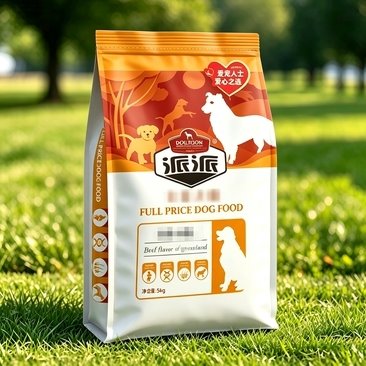
If you’re dealing with feed spoilage issues, or you’re tired of wasting money on feed that goes bad before you can use it, or you need high-quality, storage-friendly aquatic feed bags for your operation – hit us up for a chat about your needs. We’ve worked with small family farms and large commercial operations, so we know exactly what works for different setups. Whether you need small 50lb bags for your back-up feed or bulk ton bags for your main storage, we’ve got you covered. Just reach out, and we can walk through everything from storage best practices to the right bag size for your farm.
Livestock Feed Composite Bags At the end of the day, storing aquatic feed bags right isn’t rocket science – it’s just paying attention to the basics: dry, cool, off the floor, stacked right, sealed, and using old feed first. It’s the little habits that make the biggest difference. Don’t let good feed go bad because of where or how you store it. Your fish (and your wallet) will thank you.
References
- Food and Agriculture Organization of the United Nations. (2018). Storage Guidelines for Aquatic Feeds. FAO Fisheries and Aquaculture Technical Paper.
- American Feed Industry Association. (2020). Proper Storage of Animal Feed to Maintain Nutritional Quality. AFIA Practical Guide.
- Coastal Aquaculture Authority. (2019). Best Management Practices for Storage and Handling of Aqua Feeds. CAA Technical Circular.
Zhejiang Xifeng Packaging Co., Ltd.
We are one of the most experienced aquatic feed bags manufacturers and suppliers in China. With a professional production team, we offer a wide range of products with superior quality. Please feel free to buy bulk aquatic feed bags at competitive price from our factory. We also accept customized orders.
Address: Xiaojiang Town, Pingyang County, Wenzhou City, Zhejiang Province, China
E-mail: zjxifeng@126.com
WebSite: https://www.xifengpackaging.com/
