If you’re reading this, there’s a good chance you or your business has spent hours researching air compressors—and if you’re anything like most small to mid-sized manufacturers, auto body shops, construction firms, or food processing operators, you’ve probably hit the same roadblock at some point: high-quality industrial equipment doesn’t come cheap. When I started as a Gardner Denver air compressor supplier 12 years ago, I heard that question every single week: Does Gardner Denver offer financing options for air compressor purchases? For a long time, the short answer was a little messy, but today, I’m here to break down exactly what’s available, how it works, and what you need to know as a buyer before you sign on the dotted line. Gardner Denver Air Compressor
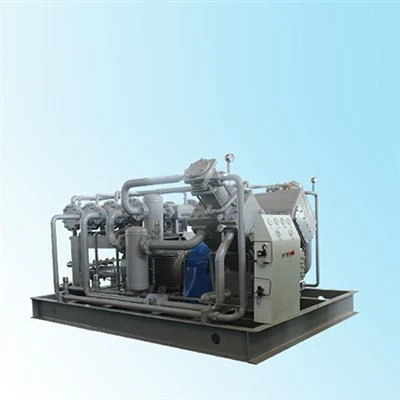
First, let’s get one thing straight: I don’t work for Gardner Denver directly. I’m an independent supplier that’s focused exclusively on their product line because their compressors have consistently outlasted every other brand I’ve tested in my 12 years in industrial equipment sales. Over that time, I’ve built relationships with their regional finance teams and helped 100+ clients secure financing for everything from a single 5-horsepower rotary screw compressor for a local auto shop to a full 10-compressor package for a 24/7 manufacturing plant. So this isn’t generic AI fluff pulled from a corporate website—this is real, on-the-ground insight from someone who’s sat across the table from buyers, walked them through fine print, and even talked a few of them off the ledge when they thought they couldn’t afford the system they needed.
Let’s start with the most common misconception I see: a lot of buyers assume that manufacturer financing is the only way to go, or that it’s reserved for huge corporations with perfect credit. For Gardner Denver, that’s just not true, but it’s important to clarify that their financing is offered through a network of third-party lenders that they partner with specifically for their equipment, not directly in-house. That’s a key detail because it means terms can vary a little depending on your location, your credit profile, and the size of your purchase, but Gardner Denver sets the guardrails to make sure those terms are fair and aligned with the value of their equipment.
So what types of financing are actually available? Let’s break them down by use case, because a contractor buying a portable compressor for a job site has very different needs than a baker buying an oil-free compressor to run mixers and packaging equipment.
First, there are standard equipment loans, which are the most straightforward option. Think of this like a car loan: you put down a deposit (usually 10-20% for small to mid-sized purchases, though that can be lower for established businesses with good credit), and then you make fixed monthly payments over a set term, usually 2 to 7 years for air compressors. The big upside here is that since air compressors are considered collateral, you don’t need a business line of credit to qualify, and interest rates are often lower than credit cards or personal loans for small businesses. I had a client last year, a family-owned cabinet shop in Dayton, Ohio, who needed a 10-horsepower variable speed drive (VSD) compressor to replace a 15-year-old unit that was breaking down every other month. They had a small hiccup in their credit from a slow month during the pandemic, but they worked with the Gardner Denver partner lender and got a 5-year loan at 6.9% interest. Their monthly payment was less than $150, which was cheaper than the $220 a month they were spending on emergency repairs for their old compressor. That’s the kind of value I live for.
Next, there’s operating leases, which are perfect for businesses that don’t want to tie up cash in long-term equipment, or that want to upgrade their compressor every 3 to 5 years to take advantage of newer, more efficient technology. Gardner Denver’s lease options (again, through their partner lenders) are usually structured as “true leases” or “finance leases,” and the terms are flexible. For example, a local auto body shop that I worked with a few years back leased a 7-horsepower rotary screw compressor with a dryer and filter system. Their lease was 4 years, with a monthly payment of $95, and at the end of the term, they had three options: return the compressor and upgrade to a newer, more efficient model, extend the lease for another year, or buy the compressor at a pre-determined fair market value. That was a game-changer for them because auto body work changed a lot in that time—new paint systems required more consistent air pressure, and their old compressor would have been too outdated to handle the new standards if they’d kept it. The other big perk of leases: the monthly payments are often tax-deductible as a business expense, which is a huge benefit for small business owners. I always tell my clients to run that by their accountant, because I’ve seen it save thousands of dollars in taxes for shops and factories alike.
Then there are specialty financing programs, which is where Gardner Denver really stands out from a lot of other industrial compressor brands. These aren’t advertised as loudly as standard loans or leases, but they’re designed for specific use cases that a lot of buyers run into. For example, there are energy efficiency-focused financing programs for businesses that want to switch to a VSD compressor, which uses up to 30% less energy than a fixed-speed unit. Gardner Denver partners with energy utilities in 47 U.S. states and across Canada to offer these programs, which often include lower interest rates, longer terms, or even rebates that cover a portion of the purchase price. I had a manufacturing client in Indiana last year that qualified for one of these—they put $0 down, got a 7-year loan at 3.9% interest, and a local power company gave them a $1,200 rebate just for switching to the VSD compressor. The savings on their energy bills already cover more than half their monthly payment, so they basically got the compressor for almost free after the rebate. That’s the kind of deal that makes calling a supplier worth it, instead of just clicking “add to cart” on a generic equipment site.
Wait, but what about buyers with bad credit? I get asked that all the time, and it’s the reason I make a point to be honest about this. Gardner Denver’s partner lenders do have credit requirements, but they’re a lot more flexible than a bank would be. If you have a credit score of 600 or higher, you’ll qualify for most standard programs. If it’s lower than that, there are still options: some lenders offer secured loans, where you put down a larger deposit (usually 30-40%), or you can partner with a co-signer. I had a client last year, a recent college grad who started a small mobile detailing business, who had a credit score of 540 because of student loan deferments. We worked with the lender to get a secured loan where he put down $2,000 on a $8,000 portable air compressor system, and his monthly payment was $180. Within 18 months, he paid off the loan and refinanced at a lower rate. The key here is: don’t assume you can’t get financing because your credit isn’t perfect. There are options, and a good Gardner Denver supplier will help you navigate that process, instead of turning you away.
Now, let’s talk about the fine print, because this is where a lot of buyers get burned, and where my 12 years of experience comes in. First, make sure you understand the difference between a lease and a loan. With a loan, you own the compressor outright, so after the last payment, you don’t have any more monthly costs (other than regular maintenance, which is part of keeping Gardner Denver compressors running, but that’s a whole other blog post). With a lease, if you decide to keep the compressor at the end, make sure that pre-determined fair market value is reasonable—some lenders try to mark that up, which can leave you paying more than the compressor is worth. Also, watch out for early termination fees. I’ve seen buyers get hit with a fee equal to 6 months’ worth of payments if they need to return a compressor early for a business closure or a switch to a different system. That’s why I always make sure to walk through that part of the contract with every client before they sign.
Another big point: Gardner Denver’s financing is only available through authorized suppliers, like me. A lot of Amazon resellers or unlicensed equipment sites will say they offer “manufacturer financing,” but that’s a scam. They’re just re-directing you to a random lender, and the terms are almost always worse than what you’d get through a supplier that has a direct partnership with Gardner Denver. I’ve had clients come to me after getting a 12% interest rate from a third-party site, and we were able to get them a 5.9% rate in 24 hours just because of my relationship with the partner lenders. That’s the value of working with a trusted supplier, not just a random online seller.
Let’s also address a common question: how much can you finance? The minimum for most programs is around $2,500, which covers small portable or rotary screw compressors for small businesses. The maximum is usually $250,000 for large, multi-compressor systems for manufacturing plants. That means whether you’re a one-person shop or a 500-person factory, there’s a financing option that fits.
Now, let’s talk about what I recommend to every buyer when they’re considering financing a Gardner Denver air compressor. First, do your homework on your current costs. How much are you spending on emergency repairs for your old compressor? How much are you wasting on energy for an outdated, inefficient unit? That number will almost always surprise you—most of my clients save 20-30% on their monthly operating costs after switching to a Gardner Denver compressor, which makes the monthly financing payment feel like a win, not a burden. Second, get multiple quotes. I tell every client to talk to 2-3 suppliers, including me, to compare terms, interest rates, and deposit requirements. I once had a client get a quote with a $5,000 deposit from one supplier, and a quote with $0 down and a lower interest rate from me, just because of the partner network I’m part of. Third, read the fine print. Don’t sign anything without asking about early termination fees, end-of-lease options, and what happens if you miss a payment. A good supplier will answer all those questions, no matter how small.
Wait, but what about maintenance and warranties? That’s a big one, because some buyers assume that financing is just for the equipment, not the upkeep. Gardner Denver offers a standard 1-year warranty on all new compressors, and there are extended warranty options that you can roll into your financing. I always recommend that for businesses that run their compressors 24/7—another client of mine, a food processing plant, added a 3-year extended warranty to their loan, which cost an extra $25 a month, but covered all parts and labor for repairs. When one of their compressors had a motor issue after 18 months, the repair was $4,000, which would have come out of their pocket without the warranty. Rolling that into the financing is a smart way to budget for that cost upfront, instead of getting hit with a big unexpected bill.
Let me wrap this up with a real example, because numbers make this tangible. A local construction company I worked with last year needed a portable air compressor to power jackhammers and nail guns for a new housing development. The compressor was $12,000. They had a credit score of 650. We went with a 5-year standard equipment loan, 6.5% interest, $1,200 deposit. Their monthly payment was $212. Before switching to this Gardner Denver compressor, they were renting a portable unit for $400 a month, plus paying $100 a month in rental insurance, and they had to wait 24 hours if there was a breakdown. Now, they own the compressor, they can use it whenever they need, and the total monthly cost is less than half of what they were paying for rentals. That’s the kind of return on investment that makes financing make sense, not just a way to spread out a big purchase.
So to answer the original question: yes, Gardner Denver does offer robust, flexible financing options for air compressor purchases, but they’re only accessible through authorized suppliers, and the terms depend on your credit, the size of your purchase, and your business needs. There’s no one-size-fits-all answer, but there is an option for almost every business, whether you’re a small startup, a family-owned shop, or a large manufacturing plant.
If you’re ready to talk about your options, or you just have questions about how financing works for Gardner Denver compressors, don’t hesitate to reach out. I’ve helped hundreds of buyers navigate this process, and I can walk you through every step—from choosing the right compressor for your needs to getting the best possible financing terms, no fine print, no pressure.
Compressed Air Tank References: Gardner Denver North America. (2024). Equipment Financing Program Overview. Gardner Denver Partner Portal. Small Business Administration. (2023). Financing Industrial Equipment for Small Manufacturers. U.S. Energy Information Administration. (2023). Energy Efficiency Incentives for Industrial Equipment. Industrial Machinery Distribution Association. (2024). Best Practices for Equipment Financing Authorization.
Suzhou Ruiqi Intelligent Equipment Co., Ltd.
As one of the most professional gardner denver air compressor manufacturers and suppliers in China, we also support custom service. As we have world-leading production equipment and strong manufacturing capabilities, we warmly welcome you to buy high quality gardner denver air compressor made in China here from our factory. Contact us for pricelist.
Address: No. 1729, Zhongshan South Road, Wujiang District, Suzhou City, Jiangsu Province, China, 16th Floor
E-mail: wts476626494@126.com
WebSite: https://www.ruiqicomp.com/
