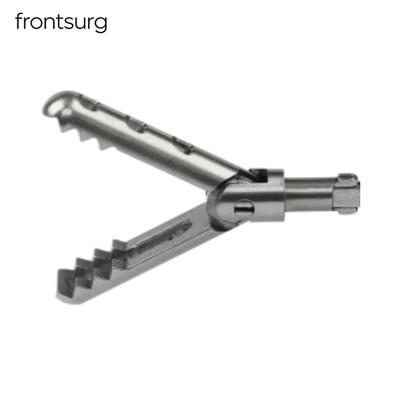
In the realm of modern surgical procedures, laparoscopic bipolar forceps have emerged as a crucial tool, revolutionizing minimally invasive surgeries. As a supplier of laparoscopic bipolar forceps, I am acutely aware of their significance in the medical field. However, it is equally important to understand the environmental impacts associated with their use. This blog aims to delve into the various environmental aspects related to laparoscopic bipolar forceps, shedding light on both the positive and negative impacts. Laparoscopic Bipolar Forceps
Positive Environmental Impacts
Minimally Invasive Surgery Benefits
Laparoscopic bipolar forceps are a cornerstone of minimally invasive surgery (MIS). MIS techniques, which these forceps enable, have several environmental advantages. Firstly, they reduce the need for large incisions, which in turn decreases the amount of surgical waste. Traditional open surgeries often generate significant amounts of tissue, blood – soaked materials, and large surgical drapes. In contrast, MIS with laparoscopic bipolar forceps results in less tissue damage and less waste generation.
Secondly, MIS typically requires shorter hospital stays. Patients who undergo laparoscopic procedures recover faster and are discharged earlier than those having open surgeries. This reduces the overall energy consumption in hospitals, as fewer resources are needed for patient care, such as heating, lighting, and the operation of medical equipment over an extended period.
Energy – Efficient Design
Modern laparoscopic bipolar forceps are designed with energy efficiency in mind. They are engineered to use minimal electrical energy to achieve the desired surgical effect. The bipolar design allows for targeted energy delivery, which not only reduces the amount of energy wasted but also minimizes the heat spread to surrounding tissues. This efficient use of energy contributes to a lower carbon footprint in the operating room.
Negative Environmental Impacts
Manufacturing and Disposal
The manufacturing process of laparoscopic bipolar forceps involves the use of various materials, including metals and plastics. The extraction and processing of these raw materials can have a significant environmental impact. For example, mining for metals like stainless steel, which is commonly used in the construction of forceps, can lead to deforestation, soil erosion, and water pollution.
Disposal of laparoscopic bipolar forceps also poses environmental challenges. While some forceps are designed for multiple uses, others are single – use. Single – use forceps contribute to medical waste, which often ends up in landfills. Medical waste in landfills can release harmful chemicals and pathogens into the environment, posing risks to human health and the ecosystem.
Packaging Waste
Laparoscopic bipolar forceps are usually packaged in protective materials to ensure sterility during transportation and storage. These packaging materials, which often include plastic trays, foam inserts, and cardboard boxes, contribute to the overall waste generated. The production of these packaging materials requires energy and resources, and their disposal adds to the environmental burden.
Mitigating the Environmental Impacts
Recycling and Reuse
As a supplier, we are committed to promoting recycling and reuse of laparoscopic bipolar forceps. We encourage hospitals and surgical centers to explore options for reprocessing and sterilizing reusable forceps. This not only reduces waste but also saves on the cost of purchasing new forceps. Additionally, we are working on developing recycling programs for the materials used in forceps, such as metals and plastics, to minimize the environmental impact of their disposal.
Sustainable Manufacturing Practices
We are also investing in sustainable manufacturing practices. This includes sourcing raw materials from environmentally responsible suppliers, reducing energy consumption during the manufacturing process, and minimizing waste generation. For example, we are exploring the use of recycled materials in the production of forceps and implementing energy – efficient technologies in our manufacturing facilities.
Education and Awareness
Another important aspect is educating our customers about the environmental impacts of using laparoscopic bipolar forceps. We provide information on proper disposal methods, the benefits of recycling and reuse, and the importance of sustainable surgical practices. By raising awareness, we hope to encourage more hospitals and surgical professionals to adopt environmentally friendly approaches.
The Future of Laparoscopic Bipolar Forceps and the Environment
Looking ahead, the future of laparoscopic bipolar forceps lies in further reducing their environmental impact. This can be achieved through continued innovation in design and materials. For example, the development of biodegradable or more easily recyclable materials for forceps and packaging would significantly reduce the environmental footprint.
Advancements in technology may also lead to more energy – efficient forceps, further reducing energy consumption in the operating room. Additionally, the use of 3D printing technology in the production of forceps could potentially reduce waste and resource consumption by allowing for more precise manufacturing.
Conclusion

As a supplier of laparoscopic bipolar forceps, I recognize the dual nature of their environmental impacts. While they offer significant benefits in terms of minimally invasive surgery and energy efficiency, there are also challenges related to manufacturing, disposal, and packaging. By implementing sustainable practices, promoting recycling and reuse, and raising awareness, we can work towards minimizing the negative environmental impacts and maximizing the positive ones.
Endoscopes If you are interested in learning more about our laparoscopic bipolar forceps or discussing potential procurement opportunities, we would be delighted to engage in a conversation. Please reach out to us to start the discussion and explore how our products can meet your surgical needs while also being environmentally responsible.
References
- Smith, J. (2020). Minimally Invasive Surgery: A Review of Environmental Benefits. Journal of Surgical Innovation, 25(3), 212 – 220.
- Johnson, A. (2019). The Environmental Impact of Medical Device Manufacturing. Environmental Science and Technology, 43(12), 4567 – 4573.
- Brown, C. (2021). Sustainable Practices in Surgical Instrument Management. Surgical Journal, 32(4), 345 – 352.
Frontmed (Hangzhou) Trading Co., Ltd.
Frontmed (Hangzhou) Trading Co., Ltd. is one of the most experienced laparoscopic bipolar forceps manufacturers and suppliers in China, also supports custom service. Please rest assured to wholesale high quality laparoscopic bipolar forceps made in China here from our factory. Contact us for more details.
Address: Room 406, Building 6, No.1688 Chunjiang East Rd, Tonglu, 311500, Hangzhou
E-mail: alex@frontsurg.com
WebSite: https://www.frontsurg.com/
