Hey there! I’m a supplier in the construction fence game, and I’ve seen it all when it comes to different types of construction fences. In this blog, I’m gonna break down the various kinds of construction fences out there, their features, and where they’re best used. Construction Fence
Chain – Link Fences
Chain – link fences are probably one of the most common types of construction fences you’ll see. They’re made of galvanized steel wire woven into a diamond – shaped pattern. One of the big advantages of chain – link fences is their affordability. They’re relatively cheap to produce and install, which makes them a go – to for many construction projects on a budget.
These fences are also super durable. The galvanized steel resists rust and corrosion, so they can last a long time, even in harsh weather conditions. They’re easy to install too. You just need to set up the posts and attach the chain – link fabric. And if you need to adjust the size or shape of the fence later on, it’s not a big deal. You can easily cut and re – attach the fabric.
Chain – link fences are great for large construction sites where you need to mark off a big area. They allow for good visibility, so you can keep an eye on what’s going on inside the site. They’re also used in areas where security is important but you don’t need complete privacy, like around industrial buildings or sports fields.
Wood Fences
Wood fences give a more traditional and aesthetically pleasing look to a construction site. They’re made from different types of wood, like cedar, pine, or redwood. Cedar is a popular choice because it’s naturally resistant to rot and insects.
One of the benefits of wood fences is their versatility. You can stain or paint them to match the surrounding environment or the client’s preferences. They can also be custom – made in different styles, such as picket fences or privacy fences.
However, wood fences do have some drawbacks. They require more maintenance compared to chain – link fences. You need to regularly stain or paint them to protect the wood from the elements. They’re also not as strong as some other types of fences, and they can be damaged by heavy winds or impact.
Wood fences are often used in residential construction projects or in areas where you want to create a more inviting and homey atmosphere. They’re also good for small – scale construction sites where you need a bit of privacy.
Welded Wire Fences
Welded wire fences are made by welding wires together at the intersections. They come in different mesh sizes, from small to large. The smaller the mesh, the more secure the fence is.
These fences are very strong and rigid. They can withstand a lot of pressure and are difficult to break through. They’re also more aesthetically pleasing than chain – link fences in some cases, as the welded wires give a more uniform look.
Welded wire fences are commonly used in construction sites where you need to keep small animals out, like in agricultural construction or around landscaping projects. They’re also used in areas where you need a high – level of security, such as around government buildings or high – value construction sites.
Temporary Fences
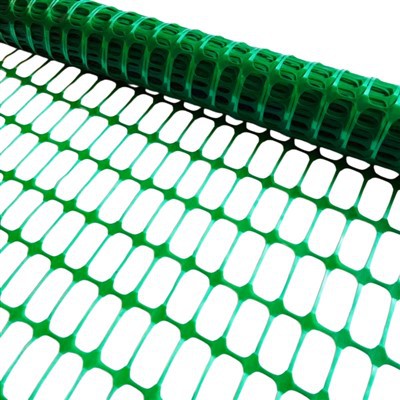
Temporary fences are exactly what they sound like – fences that are meant to be used for a short period of time. They’re usually made of lightweight materials, like plastic or aluminum.
One of the main advantages of temporary fences is their portability. They can be easily set up and taken down, which makes them ideal for short – term construction projects or events. They’re also relatively inexpensive, so you don’t have to break the bank if you only need a fence for a few weeks or months.
Temporary fences come in different styles, such as panel fences or barrier fences. Panel fences are made up of individual panels that can be connected together, while barrier fences are usually long, continuous barriers.
These fences are often used for events like concerts, festivals, or sporting events. They’re also used in construction sites where you need to quickly mark off a small area or create a safety barrier.
Concrete Fences
Concrete fences are the heavyweights of the construction fence world. They’re extremely strong and durable, and they can last for decades. They’re made by pouring concrete into molds or using pre – cast concrete panels.
One of the biggest advantages of concrete fences is their security. They’re very difficult to break through, which makes them a great choice for high – security construction sites, like prisons or military bases. They also provide excellent privacy, as they’re solid and don’t allow for any visibility through the fence.
However, concrete fences are expensive to install. They require a lot of labor and materials, and the installation process can be time – consuming. They’re also not very flexible, as they can’t be easily moved or adjusted once they’re in place.
Concrete fences are often used in areas where long – term security and privacy are top priorities, such as around large commercial buildings or high – end residential properties.
Steel Fences
Steel fences are similar to chain – link fences in that they’re made of metal, but they have a different construction. Steel fences are usually made of solid steel bars or tubes that are welded or bolted together.
These fences are very strong and can withstand a lot of force. They’re also resistant to rust and corrosion, especially if they’re galvanized or painted. Steel fences can be designed in different styles, from simple and utilitarian to more decorative and elaborate.
Steel fences are commonly used in construction sites where you need a high – level of security and a modern look. They’re also used in areas where you want to make a statement, like around corporate headquarters or high – end retail stores.
Vinyl Fences
Vinyl fences have become increasingly popular in recent years. They’re made of a synthetic material that looks like wood but is much more durable and low – maintenance.
One of the advantages of vinyl fences is their appearance. They can be made to look like different types of wood, and they come in a variety of colors. They also don’t rot, warp, or fade like wood fences do, so they always look good.
Vinyl fences are easy to clean. You just need to hose them down with water and use a mild detergent if necessary. They’re also relatively easy to install, although they do require some special tools.
Vinyl fences are often used in residential construction projects, especially in areas where homeowners want a low – maintenance and attractive fence. They’re also used in some commercial construction projects where a clean and modern look is desired.

So, there you have it – the different types of construction fences. Each type has its own advantages and disadvantages, and the right choice depends on your specific needs, budget, and the location of your construction site.
Plastic White Garden Fence If you’re in the market for a construction fence, I’d love to have a chat with you. We can discuss which type of fence would be best for your project, and I can give you a quote. Just reach out, and we can start the conversation.
References
- "Construction Fencing Handbook" by Construction Industry Press
- "Fence Materials and Installation Guide" by Home Improvement Association
Shaoxing Yongte Plastics Co., Ltd.
We are one of the most reliable construction fence manufacturers and suppliers in China, specialized in providing high quality customized products. We warmly welcome you to wholesale discount construction fence for sale here from our factory. Contact us for pricelist and free sample.
Address: INDUSTRIAL PARK, LIZHU TOWN, KEQIAO DISTRICT, SHAOXING CITY, ZHEJIANG PROVINCE
E-mail: support@sxxyongte.com.cn
WebSite: https://www.fenceplastic.com/
