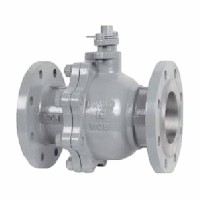
In the realm of water treatment plants, ball valves play a pivotal role in ensuring the efficient and reliable operation of various processes. As a ball valve supplier, I have witnessed firsthand the critical importance of these components in maintaining the integrity of water treatment systems. In this blog, I will delve into the specific requirements for ball valves in water treatment plants, shedding light on the key factors that water treatment plant operators and engineers should consider when selecting ball valves for their facilities. Ball Valve
Flow Control and Regulation
One of the primary functions of ball valves in water treatment plants is to control and regulate the flow of water and other fluids. Water treatment processes often involve the movement of large volumes of water at varying pressures and flow rates. Ball valves are well-suited for this task due to their ability to provide precise flow control.
The design of a ball valve allows for a full-bore opening, which minimizes pressure drop across the valve. This is crucial in water treatment plants, where maintaining consistent pressure is essential for the proper functioning of pumps, filters, and other equipment. Additionally, ball valves can be easily adjusted to regulate the flow rate, making them ideal for applications where precise control is required.
For example, in a water filtration system, ball valves are used to control the flow of water through the filters. By adjusting the position of the ball within the valve, operators can regulate the amount of water passing through the filters, ensuring that the filtration process is efficient and effective.
Chemical Resistance
Water treatment plants often use a variety of chemicals to treat and purify water. These chemicals can be highly corrosive and can cause significant damage to valves and other equipment if not properly addressed. Therefore, ball valves used in water treatment plants must be made from materials that are resistant to chemical corrosion.
Common materials used for ball valves in water treatment applications include stainless steel, brass, and PVC. Stainless steel is a popular choice due to its high resistance to corrosion and its ability to withstand a wide range of chemicals. Brass is also a good option, as it is relatively inexpensive and has good corrosion resistance. PVC is often used in applications where cost is a major factor, as it is a lightweight and inexpensive material that is resistant to many chemicals.
In addition to the material of the valve body, the seals and gaskets used in ball valves must also be resistant to chemical corrosion. O-rings made from materials such as EPDM or Viton are commonly used in ball valves to provide a tight seal and prevent leakage.
Pressure and Temperature Ratings
Water treatment plants operate under a wide range of pressure and temperature conditions. Ball valves used in these applications must be able to withstand the specific pressure and temperature requirements of the system.
The pressure rating of a ball valve indicates the maximum pressure that the valve can safely handle. It is important to select a ball valve with a pressure rating that is appropriate for the operating pressure of the water treatment system. Using a valve with a lower pressure rating than required can result in valve failure and potential safety hazards.
Similarly, the temperature rating of a ball valve indicates the maximum temperature that the valve can withstand. Water treatment processes may involve the use of hot water or steam, so it is important to select a ball valve that can handle the temperature requirements of the system.
Reliability and Durability
Reliability and durability are crucial factors in water treatment plants, where downtime can have a significant impact on the efficiency and effectiveness of the treatment process. Ball valves must be able to operate reliably over an extended period of time without failure.
To ensure reliability, ball valves should be designed and manufactured to high standards. They should be made from high-quality materials and undergo rigorous testing to ensure that they meet the required performance specifications. Additionally, ball valves should be properly maintained and serviced to prevent wear and tear and to ensure their continued operation.
Durability is also important, as ball valves may be exposed to harsh environmental conditions and abrasive materials in water treatment plants. Valves should be designed to resist damage from corrosion, erosion, and other forms of wear and tear.
Sealing Performance
A tight seal is essential for the proper operation of ball valves in water treatment plants. Leakage can lead to loss of water, contamination of the treatment process, and potential safety hazards. Therefore, ball valves must have excellent sealing performance.
The sealing performance of a ball valve is determined by the design of the valve seat and the quality of the seals. Ball valves typically use a floating ball design, where the ball is free to move within the valve body. When the valve is closed, the ball is pressed against the valve seat, creating a tight seal.
To ensure a tight seal, the valve seat should be made from a material that is resistant to wear and corrosion. The seals should also be made from high-quality materials and should be properly installed to prevent leakage.
Automation and Control
In modern water treatment plants, automation and control systems are increasingly being used to improve the efficiency and effectiveness of the treatment process. Ball valves can be easily integrated into these systems, allowing for remote operation and control.
Automated ball valves can be controlled using a variety of methods, including electric actuators, pneumatic actuators, and hydraulic actuators. These actuators can be connected to a control system, which allows operators to remotely open and close the valves, adjust the flow rate, and monitor the valve status.
By using automated ball valves, water treatment plant operators can improve the efficiency of the treatment process, reduce the risk of human error, and ensure the consistent operation of the system.
Size and Configuration
The size and configuration of ball valves are important considerations in water treatment plants. The size of the valve should be selected based on the flow rate and pressure requirements of the system. Using a valve that is too small can result in excessive pressure drop and reduced flow rate, while using a valve that is too large can be costly and may not provide the required level of control.
The configuration of the ball valve also depends on the specific application. Ball valves are available in a variety of configurations, including two-way, three-way, and multi-way valves. Two-way valves are the most common type of ball valve and are used to control the flow of fluid in a single direction. Three-way valves are used to divert the flow of fluid between two or more outlets, while multi-way valves are used to control the flow of fluid in multiple directions.
Conclusion
In conclusion, ball valves are essential components in water treatment plants, and selecting the right ball valve is crucial for the efficient and reliable operation of the treatment process. When choosing ball valves for water treatment applications, it is important to consider factors such as flow control, chemical resistance, pressure and temperature ratings, reliability and durability, sealing performance, automation and control, and size and configuration.
As a ball valve supplier, I am committed to providing high-quality ball valves that meet the specific requirements of water treatment plants. Our ball valves are designed and manufactured to the highest standards, using the latest technology and materials. We offer a wide range of ball valves in different sizes, configurations, and materials to meet the diverse needs of our customers.
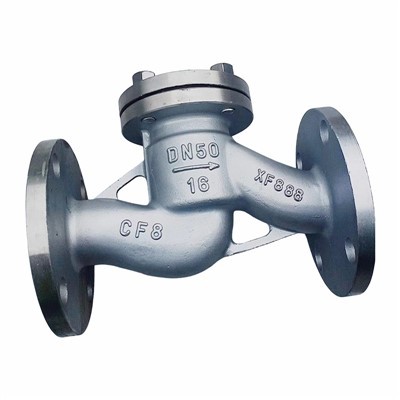
Globe Valve If you are a water treatment plant operator or engineer and are looking for high-quality ball valves for your facility, I encourage you to contact us to discuss your specific requirements. Our team of experts will be happy to assist you in selecting the right ball valve for your application and will provide you with the support and service you need to ensure the success of your project.
References
- ASME B16.34 – Valves – Flanged, Threaded, and Welded End
- ASTM A351 – Standard Specification for Castings, Austenitic, for Pressure-Containing Parts
- ISO 5211 – Mounting Interface for Rotary Actuators
- Water Treatment Plant Design Manual, American Water Works Association
Xiongxiang Valve Group Co., Ltd.
As one of the most professional ball valve manufacturers and suppliers in China, we’re featured by quality products and good price. Please rest assured to wholesale cheap ball valve for sale here from our factory. Contact us for more details.
Address: Building 1, No.306, 12th Binhai Road, Jinkai District, Wenzhou City, Zhejiang Province, China
E-mail: info@xiongxiangvalve.com.cn
WebSite: https://www.steelvalvegroup.com/
