What are the installation requirements for an Ultrasonic BTU Meter?
As a supplier of Ultrasonic BTU Meters, I’ve had the privilege of witnessing firsthand the transformative impact these devices have on energy management systems. Ultrasonic BTU Meters are essential tools for accurately measuring the energy consumption in heating and cooling systems, providing valuable data that helps users optimize energy usage and reduce costs. However, to ensure the accurate and reliable operation of these meters, proper installation is crucial. In this blog post, I’ll share the key installation requirements for an Ultrasonic BTU Meter based on my experience in the industry. Ultrasonic BTU Meter

1. Pipe Selection and Preparation
The first step in installing an Ultrasonic BTU Meter is to select the appropriate pipe for installation. The pipe should be made of a suitable material, such as steel, copper, or PVC, and have a smooth inner surface to ensure accurate ultrasonic signal transmission. The pipe diameter should also match the specifications of the meter to ensure proper flow measurement.
Before installing the meter, the pipe must be thoroughly cleaned to remove any debris, dirt, or scale that could interfere with the ultrasonic signal. This can be done using a pipe cleaner or by flushing the pipe with clean water. It’s also important to ensure that the pipe is free from any leaks or damage that could affect the accuracy of the meter.
2. Mounting Location
The mounting location of the Ultrasonic BTU Meter is critical for accurate measurement. The meter should be installed in a straight section of the pipe, away from any bends, elbows, valves, or other obstructions that could cause turbulence in the flow. The recommended straight pipe length upstream and downstream of the meter is typically 10 to 15 times the pipe diameter, although this may vary depending on the specific meter model and application.
The meter should also be installed at a location where it is easily accessible for maintenance and calibration. It’s important to avoid installing the meter in areas that are prone to vibration, extreme temperatures, or moisture, as these conditions can affect the performance of the meter.
3. Sensor Installation
The Ultrasonic BTU Meter consists of two sensors: a flow sensor and a temperature sensor. The flow sensor is used to measure the flow rate of the fluid in the pipe, while the temperature sensor is used to measure the temperature of the fluid.
The flow sensor should be installed in the pipe according to the manufacturer’s instructions. Typically, the sensor is clamped onto the outside of the pipe using a mounting bracket. It’s important to ensure that the sensor is properly aligned with the pipe and that the ultrasonic signal is transmitted and received accurately.
The temperature sensor should be installed in the pipe at a location where it can accurately measure the temperature of the fluid. This is typically done by inserting the sensor into a thermowell, which is a protective sleeve that allows the sensor to be in contact with the fluid without being damaged.
4. Wiring and Connection
Once the sensors are installed, the next step is to connect the meter to the power supply and the data acquisition system. The meter typically requires a power supply of 24V DC or 110/220V AC, depending on the model. The power supply should be connected to the meter according to the manufacturer’s instructions.
The meter also needs to be connected to the data acquisition system, which can be a computer, a PLC, or a data logger. The connection is typically made using a communication cable, such as an RS-485 or Modbus cable. It’s important to ensure that the communication protocol is compatible with the data acquisition system and that the connection is properly configured.
5. Calibration and Testing
After the meter is installed and connected, it needs to be calibrated and tested to ensure accurate measurement. Calibration is the process of adjusting the meter to match the actual flow rate and temperature of the fluid. This is typically done using a calibration device, such as a flow meter or a temperature sensor, that has been calibrated by a certified laboratory.
Testing is the process of verifying the accuracy of the meter under actual operating conditions. This can be done by comparing the readings of the meter with the readings of a reference meter or by performing a flow test using a known volume of fluid.
6. Maintenance and Monitoring
Once the Ultrasonic BTU Meter is installed and calibrated, it requires regular maintenance and monitoring to ensure continued accurate measurement. Maintenance typically includes cleaning the sensors, checking the wiring and connections, and calibrating the meter periodically.
Monitoring is the process of continuously monitoring the performance of the meter and the energy consumption of the system. This can be done using a data acquisition system or a remote monitoring device. By monitoring the performance of the meter, users can identify any issues or trends that could affect the accuracy of the measurement and take appropriate action to address them.
Conclusion
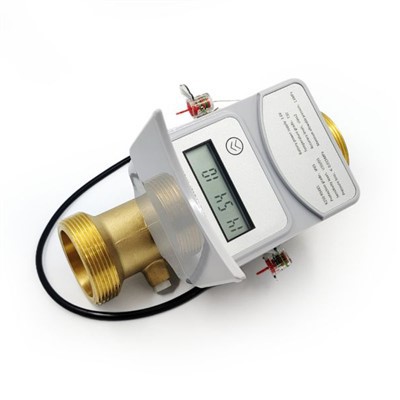
Proper installation of an Ultrasonic BTU Meter is essential for accurate and reliable energy measurement. By following the installation requirements outlined in this blog post, users can ensure that their meters are installed correctly and are operating at peak performance. As a supplier of Ultrasonic BTU Meters, I’m committed to providing our customers with high-quality products and comprehensive support to help them achieve their energy management goals.
Radar Level Meter If you’re interested in learning more about our Ultrasonic BTU Meters or have any questions about installation or maintenance, please don’t hesitate to contact us. We’d be happy to discuss your specific needs and provide you with a customized solution.
References
- ASHRAE Handbook – HVAC Systems and Equipment
- ISO 9001:2015 – Quality Management Systems
- Manufacturer’s Installation and Operation Manuals for Ultrasonic BTU Meters
Dalian Yheng Technology Co., Ltd.
Dalian Yheng Technology Co., Ltd. is one of the leading ultrasonic btu meter manufacturers and suppliers in China, also supports customized service. We warmly welcome you to buy high quality ultrasonic btu meter in stock here from our factory. Contact us for more details.
Address: F1605, NO.10 Huoju road, High-tech Industrial Zone, Dalian, China
E-mail: admin@dlyheng.com
WebSite: https://www.yhengphmeter.com/
