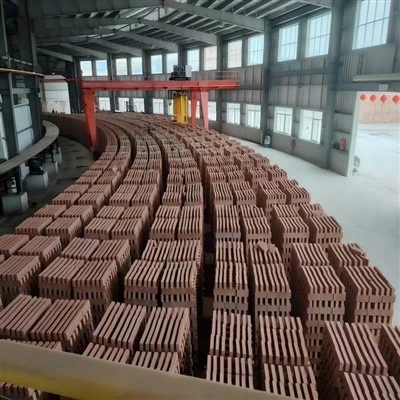
As a supplier of large – section ceramic kilns, understanding and meeting the ventilation requirements is crucial for both the performance of the kiln and the quality of the ceramics produced. In this blog, I’ll delve into the fundamental aspects of ventilation requirements for large – section ceramic kilns, based on my experience in the industry. Large‑section Ceramic Kiln
The Importance of Ventilation in Large – Section Ceramic Kilns
Ventilation in large – section ceramic kilns plays multiple vital roles. Firstly, it helps in the removal of combustion products. When a kiln is operating, fuels such as natural gas, oil, or coal are burned to generate the high temperatures required for ceramic firing. These combustion processes produce various gases, including carbon dioxide, carbon monoxide, and nitrogen oxides. If these gases are not effectively removed, they can accumulate inside the kiln, leading to an imbalance in the firing atmosphere and potentially affecting the color, texture, and strength of the ceramics.
Secondly, ventilation is essential for controlling the temperature distribution within the kiln. In a large – section kiln, maintaining a uniform temperature across the entire cross – section is extremely challenging. Proper ventilation can help to circulate the hot air, reducing temperature gradients and ensuring that all parts of the ceramic pieces are fired at the appropriate temperature. This is particularly important for large – scale ceramic production, where consistent quality is a key requirement.
Moreover, ventilation helps in the removal of moisture. During the initial stages of the firing process, ceramic pieces contain a certain amount of moisture. If this moisture is not removed efficiently, it can cause the ceramics to crack or explode due to the rapid expansion of steam inside the pieces. Adequate ventilation allows the moisture to escape, preventing such defects and improving the production yield.
Parameters Affecting Ventilation Requirements
Kiln Size and Geometry
The size and geometry of a large – section ceramic kiln have a significant impact on its ventilation requirements. Larger kilns generally require more powerful ventilation systems to ensure effective air circulation and gas removal. A kiln with a complex geometric shape, such as one with multiple chambers or a non – linear cross – section, may also pose challenges for ventilation. In such cases, additional ventilation ducts or fans may be needed to ensure that all areas of the kiln are properly ventilated.
Firing Temperature and Duration
The firing temperature and duration also influence ventilation requirements. Higher firing temperatures typically result in more intense combustion and the production of larger volumes of combustion gases. Therefore, kilns operating at high temperatures need more robust ventilation systems to handle the increased gas flow. Similarly, longer firing durations mean that the ventilation system must operate continuously for an extended period, which requires a reliable and energy – efficient design.
Type of Fuel Used
Different fuels have different combustion characteristics, which in turn affect ventilation requirements. For example, natural gas burns relatively cleanly, producing fewer pollutants compared to coal. However, it still requires proper ventilation to ensure complete combustion and the removal of carbon dioxide. Coal, on the other hand, produces a large amount of ash, sulfur dioxide, and other pollutants during combustion. Kilns using coal as fuel need more advanced ventilation systems with effective dust – removal and gas – purification capabilities.
Ventilation System Design
Inlet and Outlet Placement
The placement of air inlets and outlets is a critical aspect of ventilation system design. Inlets should be located in areas where fresh air can be easily drawn into the kiln and distributed evenly. They are often placed at the bottom or sides of the kiln to allow for upward or lateral air flow. Outlets, on the other hand, should be positioned to effectively remove the combustion gases and moisture from the kiln. They are typically located at the top of the kiln, as hot gases tend to rise.
Fan Selection
Fans are the heart of a ventilation system. The type and size of the fan required depend on the ventilation requirements of the kiln. Centrifugal fans are commonly used in large – section ceramic kilns due to their ability to provide high pressure and air flow rates. Axial fans may also be used in some cases, especially for applications where a large volume of air needs to be moved at relatively low pressure. The fan capacity should be carefully calculated based on factors such as the kiln size, firing temperature, and type of fuel used.
Airflow Control
Controlling the airflow within the kiln is essential for achieving optimal ventilation. This can be done using dampers, which are adjustable valves that can regulate the amount of air entering or leaving the kiln. By adjusting the dampers, operators can fine – tune the ventilation rate according to the specific requirements of the firing process. Additionally, airflow sensors can be installed to monitor the air flow rate and temperature inside the kiln, providing real – time data for better control.
Monitoring and Maintenance of Ventilation Systems
Regular monitoring of the ventilation system is necessary to ensure its proper operation. This includes checking the fan performance, airflow rates, and the condition of the ventilation ducts. Any signs of blockage, leakage, or abnormal noise should be addressed immediately to prevent potential problems.
Maintenance of the ventilation system is also crucial. Filters in the ventilation ducts need to be cleaned or replaced regularly to prevent the accumulation of dust and debris. The fans should be lubricated and inspected for wear and tear, and any damaged parts should be replaced promptly. By performing regular maintenance, the lifespan of the ventilation system can be extended, and the overall efficiency of the kiln can be improved.
Meeting Environmental and Safety Standards
In addition to ensuring the proper operation of the kiln, ventilation systems also need to meet environmental and safety standards. The emission of pollutants such as sulfur dioxide, nitrogen oxides, and particulate matter must be kept within the limits set by local environmental regulations. This may require the installation of additional pollution – control devices, such as scrubbers or catalytic converters, in the ventilation system.
Safety is another important consideration. Ventilation systems should be designed to prevent the accumulation of explosive gases and to ensure the safety of the operators. This may involve the use of explosion – proof fans and electrical components, as well as the installation of safety sensors and alarms.
Conclusion
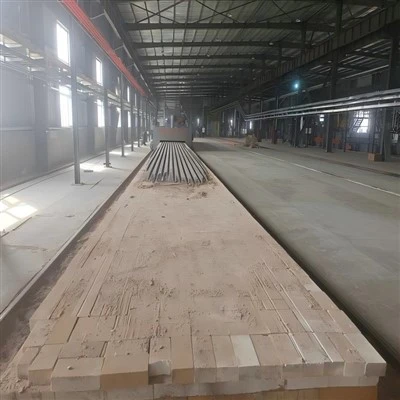
As a supplier of large – section ceramic kilns, I understand that the ventilation requirements are a complex and critical aspect of kiln design and operation. By carefully considering factors such as kiln size, firing conditions, and fuel type, and by implementing a well – designed ventilation system, we can ensure the efficient and reliable operation of the kiln, as well as the production of high – quality ceramics.
Ceramic Tunnel Kiln If you are in the market for a large – section ceramic kiln and want to discuss the ventilation requirements and other aspects of kiln design, I encourage you to reach out to me for a detailed consultation. We can work together to find the best solution that meets your specific needs and production goals.
References
- Smith, J. (2018). "Advanced Ceramic Kiln Technology: A Comprehensive Guide". Publisher: Industrial Press.
- Johnson, R. (2019). "Ventilation Systems in High – Temperature Industrial Furnaces". Journal of Industrial Heating, Vol. 46, Issue 2.
- International Ceramic Federation. (2020). "Standards for Large – Scale Ceramic Production". Document No. ICF – 2020 – 005.
Henan Yaxin Kiln Co., Ltd.
Henan Yaxin Kiln Co., Ltd. is one of the most professional large‑section ceramic kiln manufacturers and suppliers in China. With abundant experience, we warmly welcome you to buy high quality large‑section ceramic kiln with the latest design from our factory. Good service and punctual delivery are available.
Address: Jixian Industrial Zone, Shangqiu City, Henan Province
E-mail: 1543563178@qq.com
WebSite: https://www.hnyxkiln.com/
