A butterfly valve is a crucial component in many industrial applications, known for its simplicity, cost – effectiveness, and efficient flow control. As a Fisher Butterfly Valve supplier, I’ve been frequently asked about the leakage rate of these valves. In this blog, we’ll explore what the leakage rate of a Fisher Butterfly Valve is, the factors that influence it, and why it matters in various industries. Fisher Butterfly Valve
What is the Leakage Rate?
The leakage rate of a valve refers to the amount of fluid (liquid or gas) that passes through the valve when it is in the fully closed position. It is typically measured in units such as cubic centimeters per minute (cc/min) for liquids or standard cubic feet per hour (SCFH) for gases. For Fisher Butterfly Valves, the leakage rate is a key performance indicator that reflects the valve’s ability to shut off the flow completely.
Fisher offers different types of butterfly valves, including resilient – seated and high – performance butterfly valves. Each type has different leakage characteristics. Resilient – seated butterfly valves usually have a very low leakage rate, as the elastomeric seat provides a tight seal against the disc. These valves are often capable of achieving bubble – tight shut – off, which means that there is essentially no detectable leakage of gas under a specified pressure.
High – performance butterfly valves, on the other hand, are designed for more demanding applications where higher pressures and temperatures are involved. While they may not achieve the same level of zero – leakage as resilient – seated valves in all cases, they still offer relatively low leakage rates. The leakage rate for high – performance Fisher Butterfly Valves is typically specified according to industry standards, such as those set by the American Petroleum Institute (API) or the International Organization for Standardization (ISO).
Factors Affecting the Leakage Rate
Several factors can influence the leakage rate of a Fisher Butterfly Valve. Understanding these factors is essential for ensuring that the valve performs as expected in a given application.
Seat Material
The choice of seat material is one of the most critical factors. In resilient – seated valves, the elastomeric seat material, such as nitrile rubber (NBR), ethylene – propylene – diene monomer (EPDM), or fluorocarbon rubber (FKM), provides a flexible and compliant seal. Different elastomers have different chemical resistance, temperature limits, and compression set characteristics, which can all affect the leakage rate. For example, FKM is known for its excellent resistance to high temperatures and aggressive chemicals, but it may have a different compression – set behavior compared to NBR, which can impact the long – term seal integrity and leakage rate.
In high – performance valves, metal or composite seats are often used. Metal seats can withstand higher temperatures and pressures but may have a slightly higher leakage rate compared to elastomeric seats due to the nature of the metal – to – metal contact. Composite seats, which combine the properties of metal and elastomeric materials, are designed to offer a balance between high – temperature performance and low leakage.
Disc – to – Seat Fit
The fit between the valve disc and the seat is another crucial factor. A proper disc – to – seat fit ensures that the disc makes uniform contact with the seat around its entire circumference when the valve is closed. Any misalignment, distortion, or damage to the disc or the seat can lead to increased leakage. Fisher uses advanced manufacturing processes to ensure precise machining of the disc and the seat, minimizing the potential for leakage due to poor fit. However, factors such as installation stress, thermal expansion, and mechanical vibration can still affect the disc – to – seat fit over time.
Operating Pressure and Temperature
The operating pressure and temperature of the system in which the valve is installed can significantly impact the leakage rate. At higher pressures, the sealing force required to prevent leakage increases. If the valve design or the seat material is not suitable for the applied pressure, the leakage rate may increase. Similarly, high temperatures can cause the seat material to soften, lose its elasticity, or even degrade, resulting in a higher leakage rate. Fisher Butterfly Valves are designed to operate within specific pressure and temperature ranges, and it is essential to select the appropriate valve for the intended application to maintain a low leakage rate.
Wear and Aging
Over time, the valve components can experience wear and aging. The seat may wear out due to frequent opening and closing of the valve, or exposure to abrasive fluids. The disc may also corrode or become damaged, affecting the seal. Regular maintenance, including inspection, cleaning, and replacement of worn parts, is necessary to ensure that the leakage rate remains within acceptable limits. Fisher provides guidelines for proper maintenance of their butterfly valves to help customers prolong the valve’s service life and maintain its performance.
Importance of Leakage Rate in Different Industries
The leakage rate of a Fisher Butterfly Valve is of great importance in various industries, as it can have significant implications for safety, efficiency, and environmental protection.
Oil and Gas Industry
In the oil and gas industry, where valves are used to control the flow of hydrocarbons, a low leakage rate is crucial for safety. Leakage of flammable or toxic fluids can lead to fires, explosions, or environmental pollution. Fisher Butterfly Valves are often used in pipelines, refining processes, and offshore platforms. High – performance butterfly valves with low leakage rates are preferred in these applications to ensure reliable shut – off and prevent the release of hazardous substances.
Chemical Industry
In the chemical industry, valves must be able to handle a wide range of corrosive and toxic chemicals. A low leakage rate is essential to prevent the escape of these chemicals, which can pose a serious threat to the environment and human health. Resilient – seated Fisher Butterfly Valves with appropriate seat materials are commonly used in chemical processing plants to provide a tight seal and prevent chemical leakage.
Water and Wastewater Treatment
In water and wastewater treatment facilities, the leakage rate of valves affects the efficiency of the treatment processes. Leakage can lead to the loss of treated water, which is a valuable resource. Additionally, it can cause the ingress of untreated water into the treated water system, compromising the quality of the treated water. Fisher Butterfly Valves with low leakage rates are used in various stages of water treatment, such as intake, filtration, and disinfection, to ensure reliable flow control and minimize water loss.
How to Ensure a Low Leakage Rate
As a Fisher Butterfly Valve supplier, I can offer several recommendations to ensure a low leakage rate in your application.
Proper Valve Selection
Selecting the right valve for your specific application is the first step. Consider the type of fluid, the operating pressure and temperature, the flow rate, and the required leakage class. Fisher provides detailed product specifications and selection guides to help you choose the most appropriate valve.
Correct Installation
Proper installation is crucial to ensure that the valve operates correctly and maintains a low leakage rate. Follow the installation instructions provided by Fisher carefully. Make sure that the valve is installed in the correct orientation, and that the piping system is properly aligned and supported. Avoid over – tightening the bolts, as this can cause distortion of the valve components and increase the leakage rate.
Regular Maintenance
Regular maintenance is essential to keep the valve in good working condition. Inspect the valve components for wear, damage, and corrosion on a regular basis. Clean the valve and replace any worn or damaged parts as needed. Lubricate the valve stem and other moving parts according to the manufacturer’s recommendations.
Conclusion

The leakage rate of a Fisher Butterfly Valve is a critical performance parameter that affects the safety, efficiency, and environmental impact of various industrial applications. By understanding the factors that influence the leakage rate, selecting the right valve, installing it correctly, and performing regular maintenance, you can ensure that your Fisher Butterfly Valve operates with a low leakage rate and provides reliable flow control for years to come.
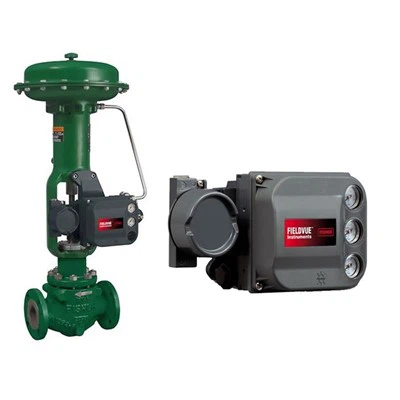
Fisher Valve Positioner If you are in the market for high – quality Fisher Butterfly Valves and need to discuss your specific requirements, I’d be more than happy to assist you. Our team of experts can help you select the right valve for your application and provide you with detailed product information and technical support. Feel free to reach out to me for more information and to initiate a procurement discussion.
References
- American Petroleum Institute (API) Standards for Valve Performance
- International Organization for Standardization (ISO) Valve Standards
- Fisher Valve Technical Documentation
Century Weiye (Dalian) Control Equipment Co., Ltd.
Address: 2205, Building 8, Red Star International, Ganjingzi District, Dalian City, Liaoning Province
E-mail: serena@valvesjwy.com
WebSite: https://www.valve-sjwy.com/
