Hey there! I’m a supplier of PP Hollow Sheet Machines, and I often get asked about the heating system of these machines. So, let’s dive right into what makes the heating system of a PP Hollow Sheet Machine tick. PP Hollow Sheet Machine
The Basics of the Heating System
First off, the heating system in a PP Hollow Sheet Machine plays a super crucial role. You see, PP (Polypropylene) is a thermoplastic material, which means it becomes soft and moldable when heated. And that’s exactly what the heating system does—it heats up the raw PP material to the right temperature so that it can be extruded into those hollow sheets that we use for so many different things.
There are mainly two main types of heating elements used in these machines: electric heaters and oil heaters. Let’s take a closer look at each one.
Electric Heaters
Electric heaters are pretty common in PP Hollow Sheet Machines. They’re simple and easy to control. Electric heating bands or cartridges are usually installed around the extruder barrel. When an electric current passes through these heating elements, they generate heat. This heat is then transferred to the barrel and, in turn, to the PP material inside.
One of the great things about electric heaters is that they heat up quickly. You can turn them on, and within a relatively short time, the temperature inside the barrel starts rising. This is great for production efficiency because you don’t have to wait around for a long time to get the machine up and running. Also, electric heaters are relatively easy to install and maintain. You don’t have to deal with complex plumbing or oil circulation systems.
However, electric heaters do have a few drawbacks. They can be a bit energy – intensive. If you’re running a large – scale production operation, the electricity bill can add up pretty quickly. Also, because they heat up so fast, there’s a risk of overheating if the temperature control system isn’t working properly.
Oil Heaters
On the other hand, oil heaters use a heat – transfer oil to heat the extruder barrel. The oil is heated in a separate oil heater unit and then circulated through channels in the barrel. The heat from the oil is transferred to the PP material.
The main advantage of oil heaters is that they provide a more even and stable heat distribution. The oil can hold a lot of heat, and it circulates around the barrel, making sure that every part of the PP material gets heated evenly. This results in better – quality hollow sheets with more consistent thickness and properties.
Another plus is that oil heaters are generally more energy – efficient compared to electric heaters. Once the oil reaches the desired temperature, it doesn’t require as much energy to maintain it. Also, they’re usually more reliable in the long run because they put less stress on the heating components.
But oil heaters also have some cons. They’re more complex to install and maintain. You need to have a proper oil circulation system, which includes pumps, pipelines, and valves. And if there’s a leak in the system, it can create a mess and cause safety hazards.
Temperature Control in the Heating System
No matter which type of heating element you use, temperature control is absolutely essential in a PP Hollow Sheet Machine. The right temperature is crucial for getting the perfect extrusion of the PP material. If the temperature is too low, the PP won’t be soft enough to be extruded properly, and you’ll end up with sheets that are brittle and have a poor surface finish. On the other hand, if the temperature is too high, the PP can break down chemically, resulting in a loss of strength and other physical properties.
Most modern PP Hollow Sheet Machines come equipped with advanced temperature control systems. These systems use thermocouples or other temperature sensors to measure the temperature inside the extruder barrel. The data from these sensors is then sent to a control panel. The control panel compares the actual temperature with the set temperature and adjusts the power supply to the heating elements accordingly.
There are also different temperature zones in the extruder barrel. The temperature usually needs to be higher at the hopper end to start melting the PP material and then gradually decreases towards the die end. This temperature profile helps in the smooth flow of the material through the extruder and ensures proper shaping of the hollow sheets.
Impact of the Heating System on Product Quality
The quality of the heating system has a direct impact on the quality of the PP hollow sheets produced. As I mentioned earlier, even heat distribution is key. When the PP material is heated evenly, it has a more consistent molecular structure, which translates into better mechanical properties of the final product.
For example, the sheets will have better tensile strength. Tensile strength is important because it determines how much force the sheets can withstand before they break. Also, an even heating system helps in achieving a uniform thickness across the entire sheet. This is crucial if the sheets are going to be used in applications where precise dimensions are required, like in packaging or construction.
The heating system also affects the surface finish of the sheets. If the temperature is not controlled properly, the surface of the sheets can be rough or have defects like bubbles or streaks. A well – functioning heating system ensures a smooth and glossy surface, which is often a requirement for aesthetically appealing products.
Maintenance of the Heating System
Proper maintenance of the heating system is vital to keep your PP Hollow Sheet Machine running smoothly. For electric heaters, you need to regularly check the heating elements for any signs of damage or wear. Over time, the elements can become brittle or develop cracks, which can affect their heating performance. You should also make sure that the electrical connections are tight and free of corrosion.
If you’re using oil heaters, you need to monitor the oil level and quality regularly. The oil can break down over time due to high temperatures, so it needs to be changed at the recommended intervals. You also need to check the oil pumps, pipelines, and valves for any leaks or blockages. A clogged pipeline can prevent the proper circulation of the oil and lead to uneven heating.
Why Our Heating System Stands Out
As a PP Hollow Sheet Machine supplier, we take pride in our heating systems. We use high – quality heating elements that are built to last. Our electric heaters are designed to be energy – efficient, and we’ve implemented advanced temperature control algorithms to ensure precise temperature regulation.
For our oil – heated machines, we’ve developed a reliable oil circulation system that minimizes the risk of leaks and blockages. We also provide comprehensive after – sales service to help our customers with any maintenance or troubleshooting issues related to the heating system.
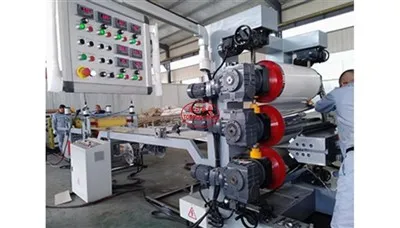
If you’re in the market for a PP Hollow Sheet Machine, you need to pay close attention to the heating system. It’s the heart of the machine, and a good heating system will not only give you high – quality products but also save you money in the long run.
Let’s Connect
Plastic Sheet Machine If you’re interested in learning more about our PP Hollow Sheet Machines and their amazing heating systems, don’t hesitate to reach out. Whether you have questions, want a quote, or are ready to start a purchase discussion, just drop me a line. We’re here to provide you with all the information you need and help you make the best decision for your business.
References
- Extrusion Technology for Plastics Handbook
- Polypropylene: Properties, Processing, and Applications
Qingdao Tongsanhegu Plastic Machinery Manufacturing Co., Ltd.
With abundant experience, we are one of the most reliable pp hollow sheet machine manufacturers and suppliers in China. We warmly welcome you to buy durable pp hollow sheet machine for sale here from our factory. Quality products and reasonable price are available.
Address: West of Xixinzhi Village, Sanlihe District Jiaozhou, Qingdao City, Shandong Province, China
E-mail: info@tongsanhegu.com
WebSite: https://www.tongsanhegumachine.com/
