Hey everyone, I’m Jake, and I’ve been working as a carbon steel bar supplier for almost a decade now. Most days, I end up chatting with mechanical engineers who’re either testing new parts, fixing industrial gear, or just trying to wrap their heads around why one metal works for a job and another doesn’t. The question I get more than any other? “Why carbon steel bars—specifically—are such a big deal in mechanical engineering.” It’s not just because they’re cheaper than, say, stainless steel or titanium, though that’s definitely a factor. Let’s break down how we actually use these bars out in the field, no stuffy industry jargon that makes your eyes glaze over. Carbon Steel Bar

First, let’s get the basics straight: carbon steel bars are basically iron mixed with a small amount of carbon (usually less than 2% by weight) plus tiny traces of other elements. That carbon is the secret sauce—crank it up a little, and the steel gets harder; lower it, and it gets more bendy. Unlike stainless steel, which needs chromium to fight rust (and gets pricey because of that), carbon steel is tough, easy to machine, and can be heat-treated to tweak its strength. For mechanical engineers, that versatility is gold.
Let’s start with the big stuff: structural components for heavy machinery. Think of the bulldozers that clear land for new developments, the cranes that stack shipping containers in ports, or the mining drills that bore miles into the earth. None of these would exist without carbon steel bars. I recently got a message from a mechanical engineer who works on crane manufacturing—he needed high-tensile carbon steel bars to make the crane’s jib pins and load-bearing bolts. See, those pins hold the jib (the long arm that lifts stuff) to the crane’s main body. They take constant, massive stress—every time a crane lifts a 50-ton shipping container, that pin is absorbing all that force. Carbon steel bars, specifically ones with a medium carbon content (around 0.3-0.5%), can be heat-treated to get super strong without being brittle. He told me that switching to our carbon steel bars cut his part failure rate by 12% last year—way better than the aluminum bars he tried before, which bent under heavy load. The best part? We can cut those bars to exact lengths, drill the necessary holes, and even apply a quick anti-rust coating (though usually they get painted later) so his team doesn’t have to waste time machining raw steel on the production floor. That’s the kind of small win that makes engineers love working with us.
Next up: fasteners and connectors. Bolts, nuts, studs—mechanical engineering would fall apart without these. And most of them are made from carbon steel bars. Take automotive manufacturing, for example. Every car on the road has thousands of bolts, from the ones holding the engine block together to the ones securing the wheels to the axles. A few years back, I worked with a small automotive parts supplier who was having issues with wheel studs breaking during crash tests. Turns out they were using low-carbon steel bars, which are soft and ductile but not strong enough to handle the sudden impact of a hard stop. We switched them to medium-carbon quenched and tempered bars, and those studs passed every crash test with flying colors. Carbon steel’s machinability is why it’s perfect for fasteners, too. It cuts cleanly, taps threads easily, and doesn’t wear down drill bits or taps nearly as much as harder metals. Plus, if you need a fastener that’s a little bendy (like for parts that vibrate a lot), low-carbon steel bars work great—they flex without snapping, which is why you’ll see them in engine mounts and transmission components.
Then there’s tooling and custom machinery parts. Mechanics, fabricators, and industrial technicians rely on tools that last, and most of those tools start as carbon steel bars. Think of the round bars used to make punches, dies, and shear blades for metalworking—these tools get slammed, cut, and stressed nonstop. High-carbon steel bars (0.6-1.0% carbon) are ideal here because they can be hardened to a sharp, long-lasting edge. A friend of mine runs a metal stamping shop—he uses our high-carbon carbon steel bars to make the dies that stamp out parts for refrigerators and washing machines. He told me a die made from carbon steel can handle 10,000+ stampings before it needs sharpening, whereas a die from a more expensive alloy steel might only last a little longer, but cost twice as much. For a small business owner like him, that bottom-line difference is huge. We also work with a custom machine shop that makes specialized parts for food processing equipment—they use low-carbon carbon steel bars to form parts like conveyor rollers and guide rails. The low carbon makes the metal easy to bend and weld, which is perfect for custom jobs where they have to shape parts on-site. And even though carbon steel rusts, a quick coat of food-grade paint or a zinc plating fixes that issue without breaking the bank.
Wait, let’s not forget about shafts and axles. These are the rotating parts that keep machines moving—from the crankshaft in a lawnmower engine to the drive shaft in a conveyor system at a grain mill. Carbon steel bars are the go-to here because they have great tensile strength (they resist being pulled apart) and can be machined into perfectly round, smooth cylinders that rotate without wobbling. I remember a guy who works on agricultural equipment repair—he always keeps a stock of our 1-inch diameter carbon steel bars in his workshop. When a farmer’s combine’s axle snaps during harvest season, he needs a replacement fast. A custom-machined carbon steel axle takes him 20 minutes to make, and it’s strong enough to handle the heavy weight of the combine and its load of grain. If he used a more exotic metal, it would take days to source and be way too expensive for a one-off repair. That’s where carbon steel bars shine—they’re reliable, readily available, and flexible enough for both mass production and emergency fixes.
Now, I know what some of you are thinking: “What about rust? Doesn’t that limit where you can use carbon steel?” Fair question. Carbon steel does rust if it’s exposed to moisture and oxygen, but that’s not a death sentence for its applications in mechanical engineering. Engineers just add a simple protective layer—zinc plating, paint, or even powder coating. For example, outdoor playground equipment uses carbon steel bars coated in powder coat to avoid rust. And in some cases, rust even helps? Wait, no, not really—wait, no, let’s be real, rust is bad. But it’s manageable. For parts inside machines, like gears in a gearbox, we use a light oil coating to keep moisture out, so rust isn’t a problem. The trade-off is worth it—you get a strong, affordable metal that does the job perfectly, instead of paying 3-4 times more for stainless steel when you don’t need its corrosion resistance.
Another big application: heavy equipment frames and brackets. The frame of a skid-steer loader, the brackets that hold solar panels up in a farm field, the supports for conveyor belts at a cement plant—all of these are made from carbon steel bars or steel formed from carbon steel bars. Why? Because these parts need to support massive weights and handle constant vibration and impact. Medium-carbon carbon steel has enough strength to handle that, and it’s easy to weld, which is essential for fabricators who put together these frames on-site. I recently supplied bars for a solar farm project—they needed 20-foot long carbon steel bars cut to 6-foot lengths, welded into frames, and then coated with a rust-resistant paint. The whole project used over 50 tons of our bars, and the engineer in charge told me they saved $15,000 just by going with carbon steel instead of stainless steel for the frames. That kind of cost savings is what makes mechanical engineers choose carbon steel over other options every time.
Let’s also talk about heat treatment, which is where carbon steel really stands out. Unlike many specialty metals, you can heat-treat carbon steel bars to adjust their properties. Need a part that’s super hard on the surface but tough in the core? That’s case hardening—you heat the steel, add carbon to the surface, and quench it, making the outer layer hard enough to resist wear while the inside stays tough and doesn’t snap. Perfect for gears, which have to mesh with other gears thousands of times a minute. Or need a part that’s bendy but strong? Anneal it—heat the steel and cool it slowly, making it softer and easier to shape. That’s great for custom parts that need to be formed into complex shapes, like brackets or machine guards. We don’t just sell raw bars, by the way—we can heat-treat them to your exact specifications, which saves engineers time and hassle.
Now, I want to be honest—carbon steel isn’t the right choice for every job. If you need a part that’s going to be in saltwater, like a boat propeller, stainless steel or bronze is better. If you need something super lightweight for aerospace, titanium is the way to go. But 90% of the mechanical engineering jobs I see, carbon steel bars are the best mix of strength, affordability, and versatility.
Here’s the thing I love about working with mechanical engineers: they care about getting the job done right without wasting money. That’s exactly what our carbon steel bars deliver. We don’t cut corners—our bars are tested for tensile strength and hardness, so you know they’ll hold up when you need them. Whether you’re making a small replacement part for a vintage lawnmower or a massive frame for a construction crane, we can ship the right carbon steel bar to you fast, cut to size if you need it.
If you’re a mechanical engineer, a machine shop owner, or someone who works with industrial machinery and you’re tired of parts failing or paying too much for metal that doesn’t fit the job, hit us up to chat about your project. We can help you pick the right carbon steel bar for your needs, answer any questions you have about heat treatment or coating, and get you a quote that makes sense. No pushy sales tactics, just real advice from someone who’s been in this game for years and knows carbon steel inside and out.
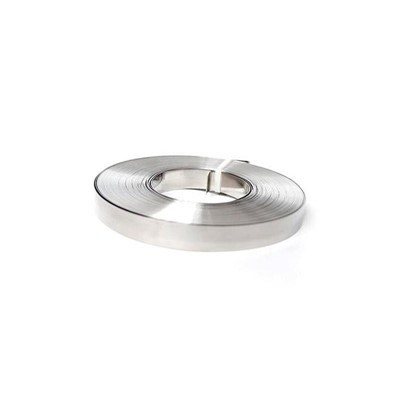
At the end of the day, carbon steel bars are the unsung heroes of mechanical engineering. They’re in the heavy machinery that builds our world, the cars we drive, the tools that fix things, and the parts that keep factories running. It’s not the flashiest metal, but it’s the one that gets the job done. And that’s why we’ll keep supplying them for as long as people need strong, reliable, affordable metal for their projects.
Steel Bar References:
- "Carbon Steel: Properties, Production, and Applications" by the World Steel Association
- "Mechanical Engineering Materials: Selection, Design, and Applications" by Michael F. Ashby
- "Understanding Heat Treatment of Carbon Steels" by ASM International
Shanxi Midas Industrial Co., Ltd.
We’re known as one of the most professional carbon steel bar manufacturers and suppliers in China. With abundant experience, we warmly welcome you to buy cheap carbon steel bar made in China here from our factory. For price consultation, contact us.
Address: 28th, Huanqiu Jinrong Zhongxin, Xieyuan Road, Changfeng Business District, Taiyuan City, Shanxi Province, China
E-mail: midassteel@163.com
WebSite: https://www.midassteel.com/
